
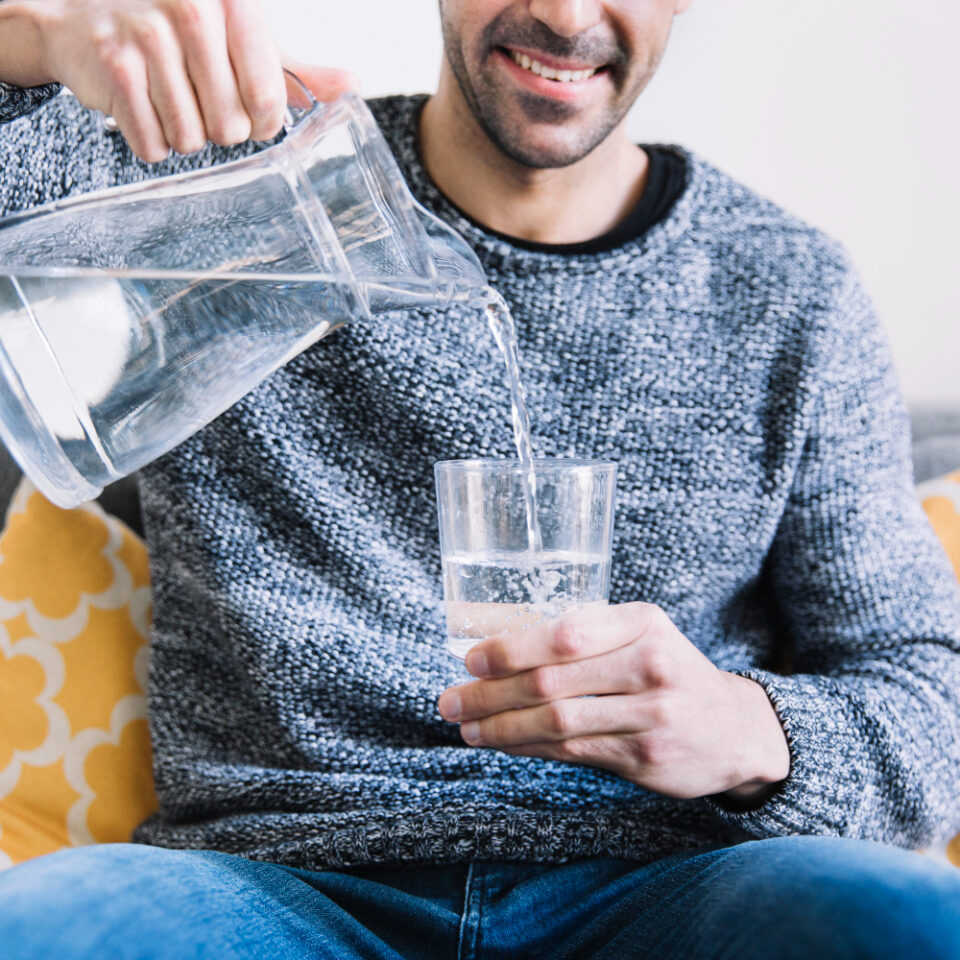
A patient entered my clinic carrying a two-litre water bottle like an oxygen cylinder. Behind him came his wife, carrying evidence. “Doctor, he drinks all day and urinates all day.” He corrected her: “I drink because I am thirsty.” She corrected him back: “He is thirsty because the internet told him to drink three litres.” Before I could examine him, the marriage had already produced two diagnoses.
His blood sugar was normal. This surprised him because we have married thirst and frequent urination so firmly to diabetes that, when the glucose report is normal, people feel both relieved and cheated. The principal suspect has an alibi, but the crime continues. The body, fortunately for doctors and unfortunately for patients, has more plots than a television serial, and fewer commercial breaks.
The first question is not how often you urinate, but how much. Passing a small quantity twelve times is urinary frequency; passing a large quantity each time is polyuria. Patients count bathroom doors opened, not water lost. Twelve teaspoons and twelve tumblers tell different medical stories. In medicine, even urine has grammar.
Small, repeated quantities usually point to the bladder or urinary tract. Infection may bring burning, urgency, fever or lower abdominal discomfort. An overactive bladder can send an emergency message when there is hardly enough urine to justify a meeting. In men, an enlarged prostate may produce a weak stream, straining or the feeling that the bladder has not emptied. A nervous bladder behaves like a nervous host: it keeps opening the door even when nobody has arrived.
Large amounts of pale urine tell a different story. Coffee, strong tea and alcohol can increase urination or irritate the bladder. Water tablets prescribed for blood pressure are meant to remove extra fluid; getting angry at them for doing so is like complaining that the alarm clock woke you. Lithium and a few other medicines may interfere with the kidneys’ ability to conserve water. Before blaming the body, therefore, place the medicine strip and the teacup in the witness box.
Then comes a surprisingly common cause: drinking because you have been instructed to drink. Somewhere, “stay hydrated” became “carry a private reservoir everywhere.” Bottles now have motivational markings—“Keep going!”, “Almost there!” “You did it!”—as though the kidney were preparing for the Olympics. Water is essential, but the body does not award loyalty points for every extra litre. Sometimes excessive drinking creates excessive urination, which creates anxiety, which encourages more drinking. The bottle becomes both treatment and troublemaker.
Not every dry mouth is thirst either. Nasal blockage, mouth breathing, anxiety, tobacco, antihistamines and several other medicines can reduce saliva or make the mouth feel dry. The person drinks repeatedly, but the dryness returns because the problem is not an empty water tank; it is a faulty tap. A sip brings ten minutes of peace. Then the tongue files another complaint.
Ayurveda never treated every thirst as a command to pour in more water. It examined the setting of trishna: heat, exertion, dryness, digestion, illness and the nature of the thirst itself. It was equally wary of suppressing genuine thirst and of drinking mechanically without need. That clinical instinct remains valuable. Thirst is a message, not a hydration competition, and the tongue has never read the target printed on your bottle.
Night-time urination contains another small surprise. Sometimes the urine you pass at 2 a.m. spent the afternoon hiding around your ankles. When a person with leg swelling lies down, some of that pooled fluid returns to circulation, reaches the kidneys, and applies for a night exit. Sleep apnoea, an enlarged prostate, late evening fluids and strong tea after dinner may also contribute. The bladder is often blamed for decisions made by the teacup at 9:30 p.m.
A rarer condition carries the thoroughly misleading name diabetes insipidus. It is unrelated to the usual blood-sugar diabetes. In this condition, the body may not produce enough vasopressin—the hormone that asks the kidneys to conserve water or the kidneys may fail to obey it. The person passes unusually large volumes of dilute urine and remains intensely thirsty, often through the night. It shares a word with diabetes mellitus, not a mechanism, rather like two unrelated Mr Raos waiting outside the same laboratory.
High blood calcium, low potassium and certain kidney conditions can also disturb water balance. Persistent symptoms may therefore require blood glucose or HbA1c, a urine examination, kidney-function tests, and measurements of sodium, potassium, and calcium. If true polyuria is suspected, the doctor may ask for a 24-hour urine measurement and compare blood and urine concentrations. Never perform a “water deprivation test” at home. Physiology accepts questions, but it does not tolerate cross-examination without water.
Before exotic investigations, I often prescribe something remarkably inexpensive: three honest days. Record every glass, coffee and cup of tea, when you drank it, how often you urinated and whether the output was a trickle or a respectable production. Memory is a gifted dramatist; a diary is a strict accountant. Patients dislike this exercise because it occasionally proves that the kidneys are innocent and the kettle is the main accused.
See a doctor promptly if the problem is sudden or severe, repeatedly disturbs sleep, or comes with burning, fever, blood in the urine, vomiting, confusion, weakness, unexplained weight loss or thirst that no amount of water satisfies. Normal blood sugar closes one door; it does not close the case. Persistent thirst deserves explanation, not another oversized bottle.
My patient returned with normal reports and a revealing diary. His kidneys were not producing an ocean; his enormous bottle was supplying one. He stopped compulsory drinking, moved his evening tea earlier and no longer visited the bathroom as though he were its night watchman. His wife looked at me and smiled the smile of a person whose laboratory findings had finally arrived.
He left carrying the same bottle, now only half full. His wife carried the diagnosis—common sense, finally confirmed by the laboratory. His body had not betrayed him; he had simply been listening to the bottle more carefully than to his thirst.
