
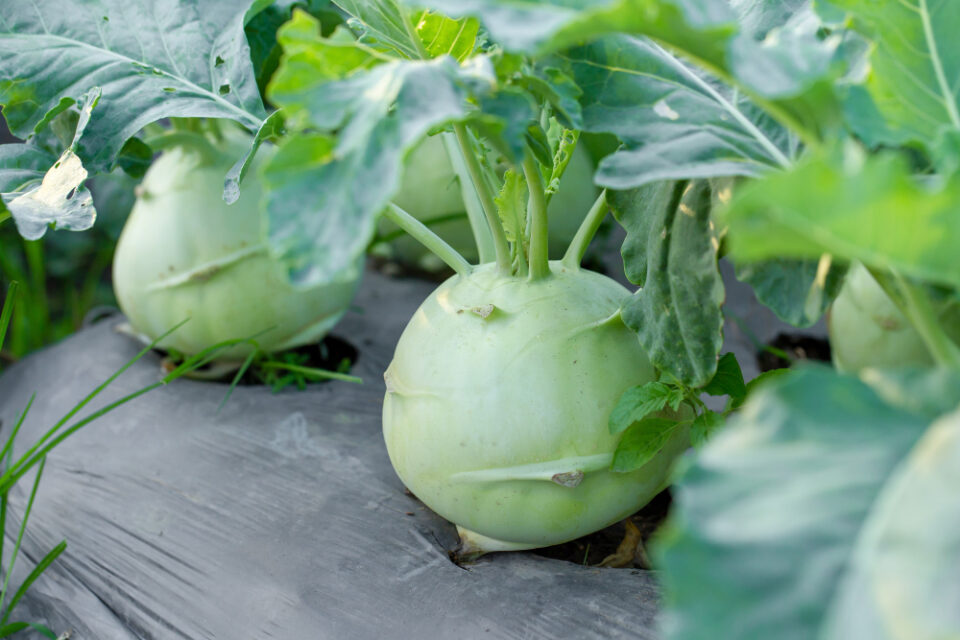
A knol-khol sits in the vegetable shop looking like a cabbage that has swallowed a tennis ball. Most shoppers examine it, suspect it of having no useful future, and move towards the potato. That is a pity—particularly for people with diabetes —because this peculiar vegetable can make an Indian meal lighter, more filling, and considerably gentler on blood sugar.
Also called kohlrabi, navil kosu, ganth gobhi or German turnip, knol-khol belongs to the cabbage family. The round “bulb” is actually a swollen stem, not a root, and its leaves are edible too. Its crisp, mildly sweet taste falls somewhere between cabbage stem, broccoli and radish—an identity crisis with excellent nutritional consequences.
A patient once proudly told me that he had added knol-khol palya to his lunch. His blood sugar had not improved. When I asked what he had removed from the meal, he looked genuinely surprised. Nothing. The palya had joined a mountain of rice, potato, sambar and curd rice like one more guest arriving at an already overcrowded wedding.
That small exchange explains many diet failures. We add sprouts to breakfast, salad to lunch and millets to dinner, but the biscuits, oversized rice portions and fried snacks retain permanent government employment. In diabetes, a plate usually improves through substitution rather than recruitment.
One rule worth remembering: knol-khol should replace part of the rice, potato or chapati—not merely sit beside them for moral support. One generous cup, approximately 100–150 grams, is a sensible serving. It provides stomach volume and fibre while leaving less room for rapidly digested carbohydrates.
A cup of raw knol-khol contains approximately 36 calories, 8 grams of carbohydrate and nearly 5 grams of fibre. It also provides vitamin C and potassium. It contains relatively little carbohydrate, making it a good choice for people with diabetes. However, it has not been studied sufficiently to assign a specific glycaemic index or to call it a miracle food.
Fibre is its principal advantage. It adds bulk, improves fullness and slows the digestion of the entire meal. This may soften the post-meal glucose rise when knol-khol replaces a more carbohydrate-dense food. It does not enter the bloodstream with a broom and sweep away sugar; it simply helps construct a better meal.
Knol-khol also contains glucosinolates, the characteristic plant compounds found in cabbage, cauliflower and broccoli. Laboratory and animal studies have reported antioxidant, anti-inflammatory and glucose-related effects. However, convincing human trials showing that knol-khol itself treats diabetes are lacking. The scientific signals are interesting; they are not a prescription. Knol-khol is a useful food, not vegetable metformin. Experimental research
The easiest way to use it is as a salad at the beginning of lunch. Peel a young bulb, cut half a cup into thin sticks, and add cucumber, tomato, coriander, lemon and a pinch of salt. Starting with vegetables slows the meal, softens hunger and makes a smaller rice serving feel less like punishment imposed by the health ministry.
Raw knol-khol suits some people beautifully. In others, it produces enough abdominal discussion to occupy the afternoon. Age, digestion and bowel sensitivity matter. Tender salad may suit one person; lightly cooked palya may suit another. The best preparation is not the theoretically perfect one but the one you can digest, enjoy and continue eating.
For a practical diabetes-friendly lunch, fill half the plate with knol-khol and other vegetables, one quarter with protein such as dal, beans, curd, paneer, egg, fish or chicken, and the remaining quarter with rice or chapati. This arrangement is far more useful than memorising fifty forbidden foods and then forgetting forty-nine at a wedding.
The first improvement patients notice may not be a dramatic fall in glucose. It is often a quieter sentence: “Doctor, I did not feel hungry at four.” That matters. A lunch rich in vegetables and protein can prevent the evening attack on biscuits—an event that generally begins with one innocent Marie biscuit and ends like a police raid on the packet.
Knol-khol palya is one of the easiest ways to obtain that fullness. Temper mustard, curry leaves, turmeric and green chilli in minimal oil; add diced knol-khol, sprinkle a little water, cover and cook until just tender. Moong dal can contribute protein. A spoonful of coconut is reasonable, but turning the palya into coconut wearing a knol-khol disguise defeats the purpose.
It works beautifully in sambar too. Use plenty of knol-khol, drumstick, beans and tomato while keeping the dal and jaggery very, very modest. Take a generous bowl of this vegetable-rich sambar and reduce the rice accordingly. Blood sugar responds to the total carbohydrate in the meal, not to the excellent reputation of the vessel containing it.
Over the years, I have learnt that patients rarely spoil a vegetable alone; they appoint accomplices. Potato enters the curry, jaggery enters the sambar, coconut arrives with relatives, oil walks in without knocking, and finally knol-khol is blamed when glucose rises. The metabolic effect is part of the complete recipe, not merely of the vegetable named in its title.
For dinner, make a light soup with knol-khol, tomato, garlic, pepper and a little moong dal. Blend it only partially so that some fibre and texture remain. Avoid cornflour, potato, cream and packaged soup powder. Otherwise, an innocent vegetable soup may return from the kitchen having acquired the nutritional character of a restaurant starter.
Do not discard the tender leaves. Wash, chop and cook them with moong dal, methi or spinach. They add variety, fibre and plant nutrients to the meal. The knol-khol has already travelled from field to market and survived being ignored by several shoppers; throwing away its perfectly edible sleeves seems unnecessarily unkind.
Experienced cooks usually select smaller bulbs without consulting a nutrition app. They know what science sometimes explains in longer sentences: young knol-khol is tender, cooks quickly and is easier to enjoy. Choose a small or medium bulb that feels firm and heavy and has fresh green leaves. If the knife requires prolonged negotiations, the bulb has probably remained in the field too long.
Steaming, sautéing, pressure-cooking and eating it raw are all suitable. Knol-khol chips, pakoras, sugary pickles and oil-soaked curries are not. A vegetable does not remain diabetes-friendly merely because it entered the frying pan with good intentions. Use knol-khol three or four times weekly and rotate it with gourds, beans, cabbage, cauliflower and leafy vegetables.
You can also conduct a small kitchen experiment. On two ordinary days, eat your usual lunch and check your glucose two hours after beginning the meal. On two other comparable days, replace half the usual rice with one cup of knol-khol palya and repeat the test. Keep your medicine timing, activity and the rest of the meal as similar as possible.
Do not chase one reading; look for a pattern. Blood glucose can vary with sleep, stress, exercise, illness and even the previous meal. This home experiment is not a clinical trial, but it may teach a valuable lesson: portion replacement often speaks more convincingly than a hundred superfood advertisements. Sometimes it raises its voice.
If cruciferous vegetables cause gas, begin with half a cup and choose cooked preparations. People with chronic kidney disease or high potassium levels should ask their doctor or dietitian about an appropriate portion size. Anyone taking glucose-lowering medicines should not reduce the dose merely because knol-khol has entered the refrigerator; changes to treatment require proper monitoring and professional advice.
Knol-khol will not reverse diabetes, cancel dessert or persuade an HbA1c report to overlook the previous three months. Its achievement is quieter and more dependable: it fills half the plate, displaces excess starch, supplies fibre, delays hunger and protects the biscuit packet at four o’clock. Sometimes better diabetes care begins not by discovering a miracle food, but by finally noticing the strange green vegetable everyone else walked past.
