
There’s a new kind of health enthusiast these days—scrolling, Googling, and guessing their way to wellness. They form WhatsApp groups, share home remedies, try random tips, and turn their bodies into trial-and-error experiments.
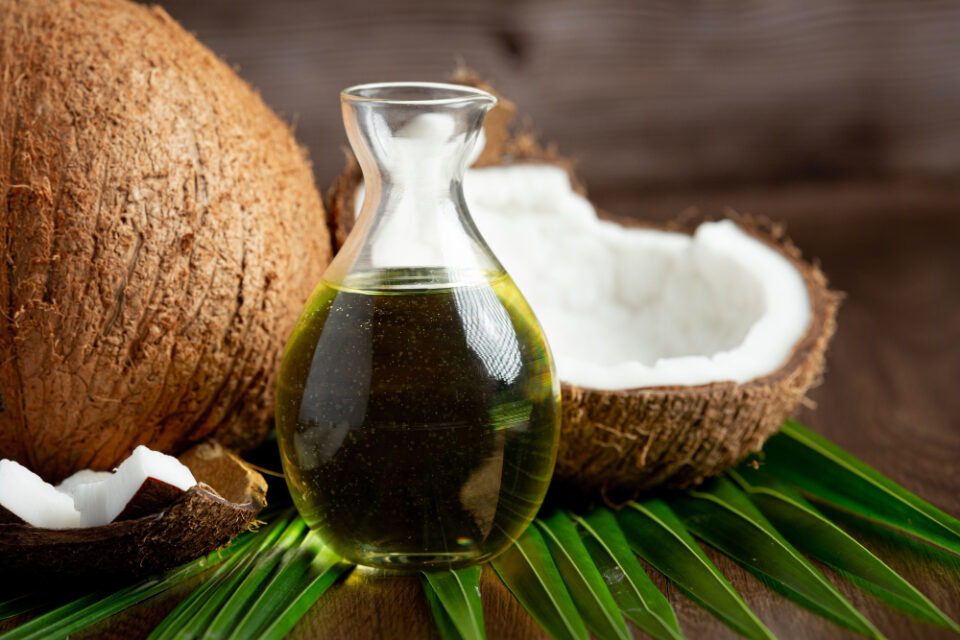
He walked into my clinic with the confidence of a man who had cracked the code to wellness. In one hand, he held a lab report with a triglyceride level of 390. In the other, his pride—“Doc, it’s wood-pressed virgin coconut oil. My brother-in-law makes it. Factory fresh.”
He placed the report on my table like a freshly baked confession. “Just a little high this time,” he said, as if discussing the weather. “But the oil is pure.”
This wasn’t a new face. This man has been telling me he’s 49 for three years. Time seems to take a tea break around him. A morning yogi and an evening philosopher, he begins his day with tulsi water and ends it with brandy spiced with family nostalgia. “My father was in the army,” he once told me. “Brandy for courage. Never caught a cold.”
I smiled. Some people inherit family recipes. He inherited brandy prescriptions.
However, this time, his morning ritual had changed. His brother-in-law—part entrepreneur, part desi da Vinci of DIY health—told him about the miraculous benefits of drinking coconut oil on an empty stomach. One teaspoon, he advised. But my patient? A born overachiever. He went with 25 ml. Every single day. Neat. Like a shot of filter coffee, except this one went straight to the liver.
“It helps with motion,” he beamed. “Like a Swiss train. Clean. No delays.”
I smiled, then pointed gently to the lab report. “Yes, but your blood is now creamier than your coffee.”
He stared. “But it’s pure! No adulteration!”
Sure, I believe him. But so is lava. So is ghee. So is honey. Purity doesn’t mean you gulp it down like Amrit in plastic disguise.
This isn’t a rare tale. One patient chews seven almonds and seven dates daily for “brain power.” Another blends five raw eggs with milk “for stamina”—a bank manager with no marathons in sight. One poor soul chewed four cloves of garlic soaked in vinegar every day until his wife stopped sitting next to him, and even the dog grew suspicious. His LDL, however, didn’t budge.
There’s a strange formula in the Indian health imagination: if a pinch is good, a handful is better. A teaspoon of ghee is sattvic. A bowlful will have your gallbladder waving a white flag. A pinch of haldi heals. A tablespoon sends your taste buds into early retirement.
Let’s be clear. Coconut oil is an excellent ingredient. Cooling, unctuous, gut-soothing. Ayurveda honours it—in precise contexts, for the right person, in the right season. But nowhere in the texts does it say: “Drink 25 ml daily at sunrise with confidence and no questions asked.”
Especially not in peak summer, with a desk job, brandy at night, and a metabolism slower than Monday mornings.
His brother-in-law may be lean, athletic, and blessed with “factory stamina.” But you, sir, are built for boardrooms and biryani. Your agni, your dosha, your lifestyle—they matter.
“Why didn’t you check with me first?” I asked gently.
“I wanted to surprise you with good health,” he smiled.
“You did surprise me,” I said. “Just not in the way you imagined.”
This is what I call misplaced enthusiasm syndrome. You focus so hard on one area—digestion, in this case—that you forget the rest of your body exists. Even castor oil will make you regular. That doesn’t mean you sip it with reverence every evening.
Ayurveda is obsessed with balance. Not too much. Not too little. The madhyama marga—the middle path. We don’t just gulp oils on a whim. We process, purify, and personalise. Sneha pana, the therapeutic ingestion of fats, is a planned protocol. Supervised. Designed and not inspired by WhatsApp or its brother-in-law, WhatsApp Labs.
I never shame my patients. I steer the ship away from the iceberg with a smile. I told him. Treat coconut oil like medicine, not morning coffee. And brandy like a rare guest, not a roommate.
He grinned. “I knew you’d bring up the brandy.”
“Only because it brings up your triglycerides.”
That’s the real lesson here. Your kitchen is powerful. Spices, oils, herbs—they all have intelligence. However, used without discretion, even the best ingredient can become a burden. Your gut is not a science lab. It’s a sensitive, loyal friend. Don’t surprise it daily with edible experiments.
To those reading this with a spoon of virgin coconut oil in hand—stop. Ask why. Ask how much. Ask for whom. You are not a recycled Instagram reel. You’re a unique prakriti. Honour that.
Use coconut oil in cooking? Lovely. For hair? Even better. Skin? Absolutely. But your intestines don’t need a morning swim in tropical fat.
Ayurveda doesn’t believe in fads. It believes in ojas, in rhythm, in wisdom that ages reasonably.
As for my forever-49 friend, he’s agreed to scale down. The plastic bottle still comes to the clinic—but only to say hello.
The best medicine is not an exotic oil. It’s the courage to do less.
Warm water helps. But wisdom helps more.
And yes, common sense still beats cold-pressed.
