
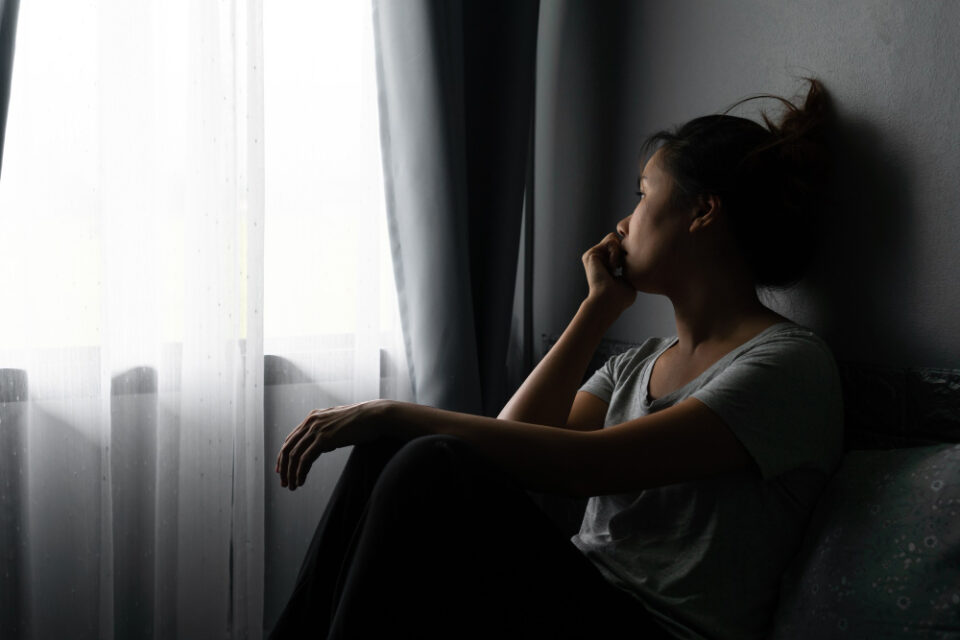
One retired uncle visited my clinic 6 times over 2 months for gas trouble. By the fourth consultation, I realised the actual disease was evening.
Every day, his symptoms worsened around sunset. Bloating. Chest heaviness. Restlessness. The description of strange stomach noises is very creative. All reports normal. Endoscopy normal. Liver normal. Sugar normal. Even the gastroenterologist had surrendered respectfully and advised him to “avoid stress,” which is modern medicine’s equivalent of forwarding the problem to God.
After consultation, he remained seated one afternoon.
“Doctor,” he said quietly, “the house becomes very large after 6 PM.”
His wife had died three years earlier. Son in Texas. Daughter in Pune. The television is permanently set to volumes that could influence neighbouring elections. Dinner alone. Tea alone. News alone. Sleep alone. The actual disease was unshared evenings.
Doctors quietly observe this everywhere now. Patients come with acidity, insomnia, headaches, body pain, fatigue, overeating, loss of appetite, constipation, chest tightness, random anxiety and mysterious inflammation. Blood reports often look surprisingly respectable. Then, during the consultation, a sentence accidentally slips out.
“I eat alone mostly.”
“My husband comes home late daily.”
“The entire week I work from home.”
“Children settled abroad.”
“After office, there is nobody to talk to.”
Suddenly, the body starts making emotional sense.
Modern medicine measures inflammation with extraordinary sophistication. We can detect microscopic rises in inflammatory markers. We can analyse cytokines, cortisol fluctuations, sleep variability and gut bacteria with impressive scientific seriousness. Yet medicine still struggles to measure what happens to the human body when life becomes emotionally unwitnessed.
One fascinating discovery from loneliness research unsettled many scientists. Lonely individuals often exhibit higher inflammatory activity, even in the absence of infection. The immune system behaves as though something threatening is happening.
Evolutionarily, this is perfectly logical. For most of human history, isolation was dangerous. A lonely human being was more vulnerable to predators, starvation and violence. The body adapted by remaining slightly hypervigilant during social isolation. Your nervous system still carries software written for forests while you are living in a gated apartment ordering Thai curry through an app.
The body has not evolved as fast as food delivery. One software engineer proudly told me he had 1,842 LinkedIn connections. I asked him, “If you get dengue tonight, who will bring curd rice?” The consultation became unusually silent after that.
Bengaluru is full of this silent epidemic. Apartment towers glowing magnificently at midnight like futuristic civilisations. Inside them, thousands of people are eating dinner in front of laptops, pretending productivity is a personality trait. Young professionals tracking protein intake, sleep score, hydration and step count with astonishing discipline while slowly becoming emotionally malnourished.
One study found that lonely people often sleep more lightly and wake more frequently, even when they do not remember waking. The body rests poorly when life feels emotionally unsafe. Another study found that the brain experiences social rejection in regions remarkably similar to those involved in physical pain. Heartbreak is not “all in the mind.” Biology takes rejection personally. Which explains why certain WhatsApp messages can produce symptoms requiring both philosophy and antacids.
Human beings require emotional steadiness for physiological steadiness. Excess uncertainty disturbs Vata. Loneliness is uncertainty prolonged over time. Who is there for me? Who notices me? Who responds when I suffer? The nervous system keeps asking these invisible questions continuously.
A lonely person often becomes hyperalert without realising it. Sleep becomes shallow. Digestion irregular. Appetite theatrical. Thoughts noisier. The body starts functioning like a house where somebody forgot to switch off the emergency alarm.
One woman told me recently, “Doctor, my husband attends more Zoom meetings with Americans than actual conversations with me.” That sentence contains the sociology of modern marriage.
Another patient said something even more devastating. “Netflix asks whether I am still watching. Entire week, nobody else asked.” Dark humour survives because reality occasionally becomes unbearable without it.
Indian culture, despite all its interference and emotional overacting, accidentally protected people from some forms of loneliness. Joint families were psychologically exhausting but biologically buffering. Privacy was poor. Boundaries nonexistent. Somebody was always commenting on your face, weight, career, parenting style or electricity usage. Annoying. Deeply anti-inflammatory.
There is probably a reason Indian civilisation kept inventing excuses for gathering. Weddings last four days. Festivals lasting nine. Temple visits. Tea stalls. Evening walks. Terrace conversations during power cuts. Cricket discussions involving eleven experts and zero athletic ability. Human beings remained constantly witnessed.
Today, many people know their delivery partner’s live location more accurately than they know their closest friend’s emotional state. Yet loneliness is not solved merely by surrounding oneself with noise. Some people remain profoundly lonely within marriages, offices, and family WhatsApp groups with 74 members discussing turmeric prices and political rumours from 2018.
Real companionship is rarer. Somebody who notices your changed tone. Somebody before whom you do not perform continuously. Someone who asks whether you’ve reached home and genuinely waits for your reply.
Every doctor with enough clinical experience eventually notices another strange phenomenon. Some patients improve after being deeply heard. Symptoms soften. Appetite returns. Sleep improves. The body relaxes once it finally feels interpreted correctly.
The tragedy is that modern adults feel embarrassed admitting loneliness. They will discuss cholesterol, constipation, fatty liver and erectile dysfunction openly yet hesitate to say, “I think my life has become emotionally empty.”
So the body speaks indirectly. Through scrolling. Through headaches. Through overeating. Through insomnia. Through the strange sadness arriving every Sunday evening around 7 PM.
One patient recently told me something unforgettable. “Doctor, the entire day I am busy. But evening comes, and suddenly the house becomes larger.” That is loneliness exactly. Not the absence of people. Absence of emotional echo.
Healing rarely begins dramatically. Nervous systems recover through small repeated acts of shared life. One evening walk with the same neighbour. One friend who can be called without rehearsing the conversation first. Eating at the table instead of in front of a screen. Visiting the same tea shop regularly until somebody asks, “Usual?” Returning to old friendships before ego edits the message seventeen times. Many people are waiting for profound soul connections while rejecting perfectly decent invitations for evening chai.
One interesting thing doctors repeatedly observe is that lonely people often improve after becoming useful again. Caring for grandchildren. Teaching. Volunteering at temples. Feeding street dogs with excessive emotional commitment. Watering plants seriously enough to discuss them like family members. The nervous system settles when life regains participation.
Perhaps this is why old Indian homes were built differently. Courtyards. Verandahs. Front steps. Shared terraces. Spaces designed for accidental conversation. Modern apartments maximise privacy beautifully while quietly reducing emotional circulation.
A century ago, infectious diseases spread because people lived too close together. Now, inflammatory diseases may increasingly spread because people live too far apart emotionally. Medicine will eventually produce better anti-inflammatory drugs, smarter technology and more precise biomarkers. All this will help enormously. Civilisation may still rediscover something simpler. Some people are biologically healthier when somebody waits for them at dinner.
I have written a book.
If this blog spoke to you, the book will stay with you longer.
