
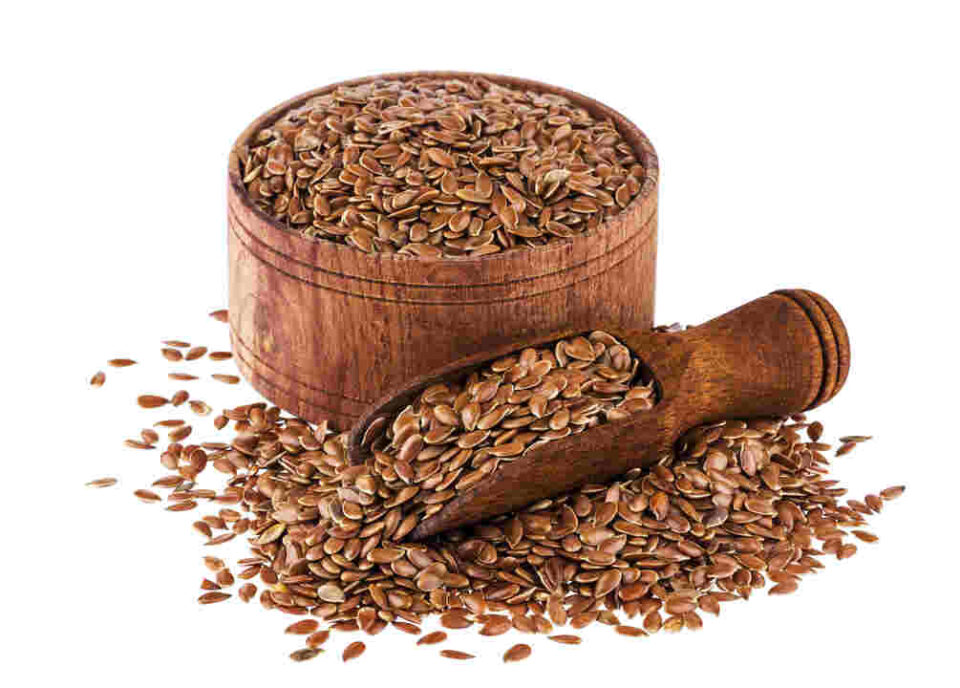
Flaxseed has become famous without ever becoming irresistible. Nobody opens the kitchen cupboard at midnight and whispers, “Just one more spoon.” Yet this small, shiny seed—alsi in Hindi, agase beeja in Kannada—now sits confidently beside oats, chia and other foods that acquired celebrity status after joining the English-speaking internet.
The question most people ask is also the right one: should flaxseed be eaten whole or ground?
Ground, almost always.
A flaxseed wears a surprisingly stubborn outer coat. If swallowed whole, many seeds may travel through the digestive tract like passengers refusing to get off the bus. They provide some fibre, but much of their fat and other nutrients may remain locked inside. Grinding breaks this natural armour and makes the contents easier to digest and absorb. Your intestine is capable of many things, but it is not a mixer-grinder.
This does not make whole flaxseed useless. It adds crunch to bread, rotis and salads, and a seed that is chewed thoroughly may be digested. But if you are eating flaxseed specifically for its nutritional value, ground flaxseed is the more dependable choice. A decorative shower of whole seeds on breakfast may impress Instagram more than your metabolism. Mayo Clinic
What lies inside that tiny shell is genuinely interesting. Flaxseed contains fibre, plant compounds called lignans and alpha-linolenic acid, or ALA—a plant-based omega-3 fatty acid. One tablespoon of ground flaxseed provides roughly two grams of fibre along with useful polyunsaturated fats.
ALA is especially valuable in vegetarian diets, but it needs one clarification. It is not identical to the EPA and DHA found in oily fish, and the body converts only a limited proportion of ALA into these longer-chain omega-3 fats. Flaxseed is nutritious; it need not be promoted as vegetarian fish wearing a brown coat. NIH Office of Dietary Supplements
Its fibre absorbs water, adds bulk to stools and may help bowel regularity. It can also increase fullness and perhaps reduce unnecessary snacking—unless, of course, the flaxseed has been packed into a large jaggery laddoo and introduced as a slimming snack. Healthy ingredients do not cancel arithmetic.
Flaxseed has attracted particular attention for its cholesterol-lowering effects. Clinical studies suggest that regular consumption, especially in ground form, may produce a modest reduction in total and LDL cholesterol in some people. The effect varies according to the quantity used, duration, overall diet and the individual. PubMed
The word modest deserves respect. Flaxseed can assist a sensible diet; it cannot quietly repair smoking, inactivity, poor sleep and a long-standing emotional attachment to fried food. Nor should it replace prescribed cholesterol medicine without speaking to your doctor. It is a useful seed, not a cardiologist available by the tablespoon.
For most healthy adults, one tablespoon of ground flaxseed daily is a sensible starting point. If digestion remains comfortable, the amount may gradually be increased to two tablespoons. Beginning with a heroic quantity because “more natural means more healthy” may result in gas, heaviness, bloating, cramps or loose stools. Fibre appreciates consistency. It is suspicious of sudden enthusiasm.
Adequate water is essential. Flaxseed absorbs fluid, so swallowing a dry spoonful and hoping for the best is not a wellness practice; it is an unnecessary digestive examination. Mix it into food and drink enough water during the day.
People with swallowing difficulty, severe intestinal narrowing or a history of bowel obstruction should not begin flaxseed casually. Those taking regular medicines—particularly medicines for blood clotting, diabetes or blood pressure—should seek medical advice before using it daily. Since fibre may alter the absorption of some medicines, keeping a gap of about two hours is a sensible precaution. Pregnancy and breastfeeding also deserve professional guidance, especially when flaxseed is being consumed in medicinal rather than ordinary food quantities. NCCIH
Grinding it at home requires no ceremony. Place a small quantity in a clean, completely dry mixer jar or coffee grinder and pulse it into a coarse powder. Grind enough for a week or two—not for the next agricultural season. Once the seed is broken, its oils are exposed to oxygen, heat and light and may gradually turn rancid.
Keep ground flaxseed in a tightly closed, preferably opaque container in the refrigerator. Whole seeds remain fresh longer and can be stored in a cool, dark cupboard. If the powder develops a distinctly bitter, sharp or paint-like smell, do not conduct a family referendum. Throw it away.
Ground flaxseed disappears easily into ordinary Indian meals. Stir it into curd, oats, dal or soup. Add it to atta, dosa batter, chutney powder or a smoothie. Its slightly nutty taste works better when it joins food than when it is swallowed like punishment. Flaxseed oil, incidentally, supplies ALA but contains virtually none of the seed’s fibre, so the oil and the ground seed are not nutritional twins.
Ayurveda knew flax as Atasī, but its larger lesson is more important than attaching a Sanskrit name to a modern health trend. Food acts according to quantity, preparation, digestive capacity and the person consuming it. A spoonful that improves one person’s bowel movement may turn another person’s abdomen into a percussion instrument.
Flaxseed is not miraculous. It is something rarer in the nutrition market: genuinely useful when prepared properly. Grind it, refrigerate it, begin modestly, take it with sufficient water, and allow one small seed to do its own job without appointing it head of the entire medical department.

2 comments
A wonderful and enlightening knowledge you are imparting to us; for we are greatful to you. We are amazed for a great contribution of Mather nature!
We have to follow your instructions and prescription about the flaxseeds.
Thanks a lot.
I’m delighted that you found the insights about flaxseeds and cholesterol valuable! Nature’s wonders like flaxseeds indeed have a remarkable impact on our health. By following the guidance and incorporating flaxseeds into your routine, you’re taking a positive step towards better well-being. If you have any queries or need more advice, feel free to ask. Here’s to your health journey with the goodness of flaxseeds! 🌿🌞