
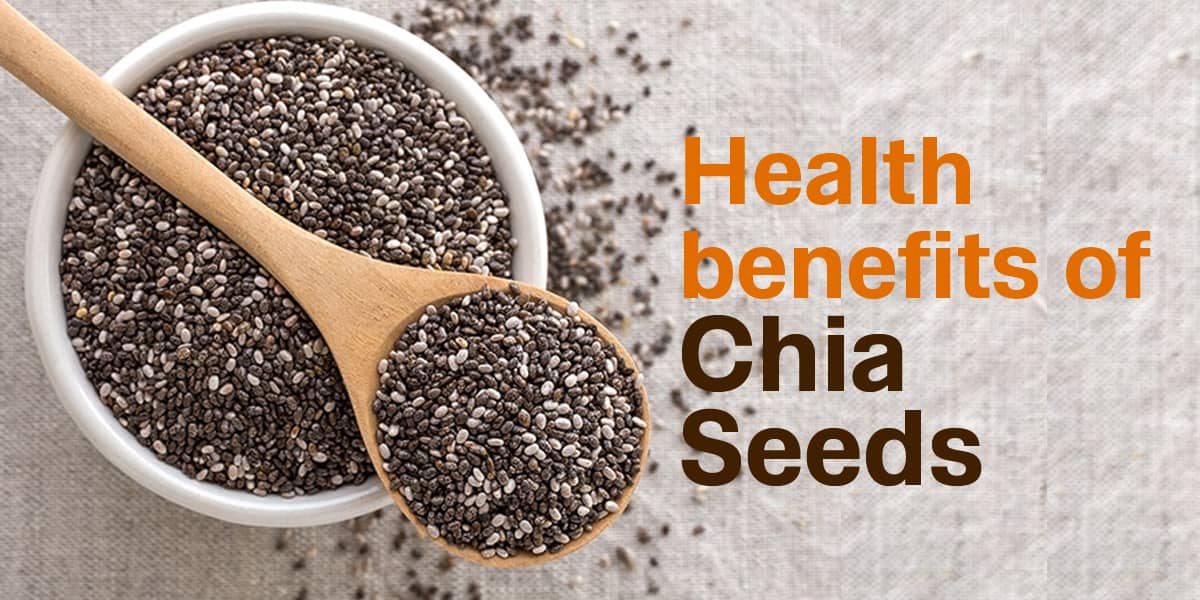
The modern supermarket has acquired a small excavation department. Every few months, health enthusiasts dig up an ancient food, dust it carefully and announce that our ancestors knew everything. Moringa is now mainstream, turmeric milk has returned from grandmother’s kitchen as a “golden latte,” and chia seeds have travelled from ancient Mexico to the Indian breakfast table—usually in a glass jar with a very serious lid.
Chia seeds are the tiny black, grey or white seeds of Salvia hispanica, a plant native to Mexico and Guatemala. They are genuinely nutritious. But between genuine nutrition and internet enthusiasm, chia has been asked to perform several jobs it never applied for: melt belly fat, detoxify the body, balance hormones, build ojas and rescue a breakfast otherwise made entirely of sugar.
The question patients ask me most often is simpler: “Doctor, should chia seeds be soaked before eating?”
The practical answer is yes—soaking is usually the safest and most comfortable method, although it is not compulsory in every recipe.
Two tablespoons of chia seeds, roughly 28 grams, provide around 140 calories, 11 grams of fibre, 4 grams of protein and useful amounts of calcium, magnesium and phosphorus. They are also rich in alpha-linolenic acid, or ALA, a plant-based omega-3 fat. This makes chia a useful addition to vegetarian diets, particularly when nuts and other seeds are eaten irregularly.
Useful, however, is not the same as miraculous. Chia cannot “hydrate every tissue,” prevent cancer or cure chronic inflammation. Ayurveda’s classical texts did not describe chia, so confidently assigning it a dosha action or declaring it a classical ojas-building food is modern interpretation—not ancient Ayurvedic teaching. A new food need not be given an ancient passport before we permit it onto the plate.
How Long Should Chia Seeds Be Soaked?
Add one tablespoon of chia seeds to approximately half a cup of water, milk or thin buttermilk. Stir well, wait five minutes, stir again and leave it for 20–30 minutes. The second stirring matters; otherwise the seeds may form a stubborn little municipality at the bottom of the glass. Overnight soaking in the refrigerator is equally convenient.
As the seeds absorb liquid, they develop a soft, gel-like coating. This makes them easier to swallow and often gentler on the digestive system.
Unsoaked chia can be eaten when it is already incorporated into a moist preparation such as curd, porridge, a smoothie or cooked batter. Grinding is generally unnecessary. But do not swallow a spoonful of completely dry chia and immediately drink water. The seeds can expand quickly and, in rare cases, become lodged in the oesophagus. Anyone with swallowing difficulty, oesophageal narrowing or a previous episode of food obstruction should be especially careful.
How Much Chia Should You Eat Daily?
For most healthy adults, one to two tablespoons a day is sufficient. More is not necessarily more medicinal.
If you are not accustomed to a fibre-rich diet, begin with one teaspoon daily and increase gradually. In clinical practice, I often see people introduce healthy foods with the enthusiasm normally reserved for election campaigns. Three spoonfuls arrive on the first morning; bloating arrives by evening; chia is declared unsuitable for the entire family by night.
Chia is rich in fibre, and a sudden large quantity may cause gas, heaviness, abdominal discomfort or constipation—particularly when water intake is inadequate. Start small, observe your digestion and drink enough water through the day. The right dose is not the largest amount recommended on social media; it is the amount your body handles comfortably.
There is no magical time for eating chia. Morning is convenient, not sacred. Add soaked chia to curd, oats, ragi porridge, smoothies or homemade drinks. Chia pudding can be a sensible snack, but watch what travels with it. Flavoured yoghurt, honey, jaggery, dates, chocolate and a festival procession of dry fruits can convert two innocent tablespoons of seeds into a calorie-dense dessert with excellent public relations.
Can Chia Seeds Reduce Belly Fat?
Chia seeds may increase fullness because their fibre absorbs liquid and slows digestion. If this helps you reduce portions or avoid unnecessary snacking, it can support weight management.
But chia does not selectively burn abdominal fat. Research has not consistently demonstrated significant reductions in body weight or BMI. Some studies suggest small improvements in waist circumference, blood pressure and inflammatory markers, but chia is not a substitute for a balanced diet, adequate protein, physical activity and good sleep.
If you add chia to an already excessive diet without changing anything else, the weighing scale will not be moved by its ancient history. Chia can support a good routine; it cannot negotiate with daily overeating.
Chia Seeds and Sabja Seeds Are Different
Chia is frequently confused with sabja, the familiar falooda seed. They are not the same. Sabja comes from sweet basil, turns gelatinous within minutes and develops a prominent translucent coating. Chia takes longer to swell and contains considerably more ALA omega-3 fat. They may sometimes perform similar jobs in drinks and puddings, but botanically and nutritionally they are different seeds.
People with persistent swallowing problems or serious digestive disease should seek medical advice before using chia regularly. Those taking medicines for diabetes, hypertension or blood clotting should also avoid suddenly consuming large quantities without discussing it with their doctor. And if chia repeatedly causes bloating or discomfort, stop forcing the friendship. No food is compulsory for good health.
Chia deserves a place in the kitchen, but not on a throne. Soak it, start small, keep the preparation simple and allow it to remain what it is: a nutritious little seed. In an age when every food is advertised as a miracle, perhaps the healthiest habit is learning to appreciate usefulness without demanding magic.

8 comments
Thank you Doctor for sharing this valuable information. 🙂👍🙏🏻
YOU ARE WELCOME
Thanks so much for letting us know about this super food.
THANK YOU
Thank you so much for this article . Always had doubts about this. Very useful Dr 👍
THANK YOU MADAM
I must express my appreciation to you for bailing me out of such a incident. Because of surfing throughout the world-wide-web and seeing advice which are not pleasant, I thought my entire life was well over. Living minus the approaches to the difficulties you’ve resolved as a result of your entire guide is a crucial case, as well as the kind which might have in a wrong way damaged my entire career if I had not noticed your website. Your good expertise and kindness in controlling the whole thing was very useful. I don’t know what I would have done if I hadn’t come upon such a point like this. I’m able to at this time look ahead to my future. Thank you very much for this professional and sensible help. I won’t hesitate to endorse the sites to anyone who needs tips on this area.
[…] Health benefits of chia seeds […]