
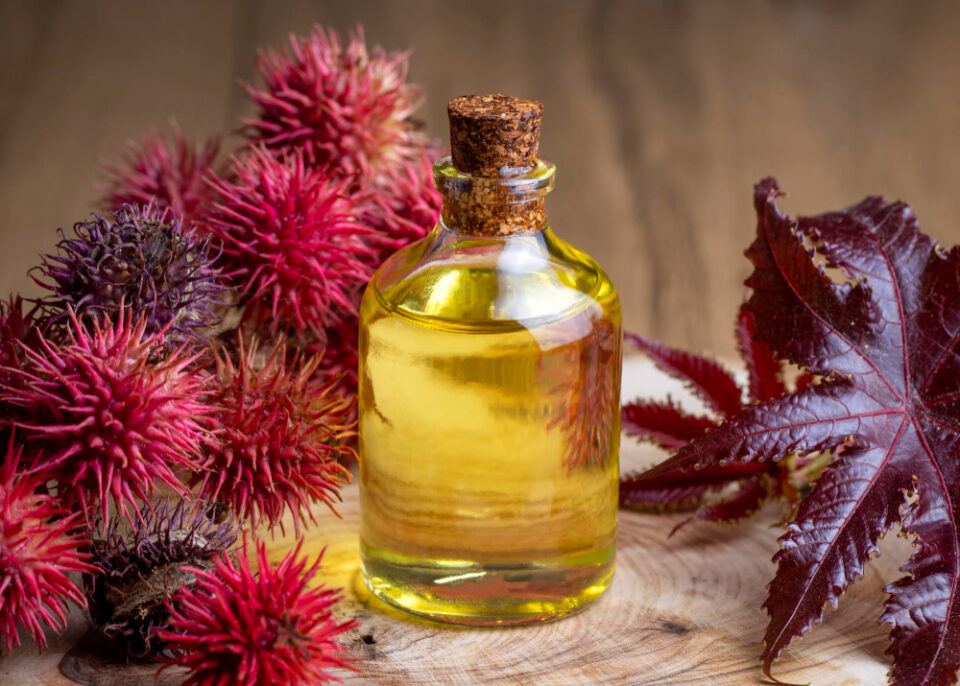
A patient once placed a bottle of castor oil on my table with the seriousness usually reserved for an MRI report. He had bought it for constipation. Before I could respond, he asked whether it would also regrow his hair, remove his wife’s pigmentation, cure his mother’s knee pain and thicken his daughter’s eyelashes. The bottle contained 100 millilitres of oil and five medical departments. In many Indian homes, castor oil is not a remedy. It is a multispeciality hospital without a registration desk.
Castor oil comes from the seeds of Ricinus communis, known in Ayurveda as Eraṇḍa. Here is its first surprise: the seed contains ricin, a dangerous toxin, but ricin is not oil-soluble and is removed during proper commercial processing. This reassurance applies only to correctly manufactured oil—not to seeds or homemade experiments. Never chew or crush castor seeds. Nature occasionally keeps medicine and poison in the same cupboard; processing decides which one reaches you.
Nearly 90 per cent of castor oil’s fatty acids are ricinoleic acid, which gives the oil its unusual thickness and much of its pharmacological action. Ayurveda recognised Eraṇḍa as a potent medicine, particularly for selected Vāta-dominant conditions involving dryness, stiffness, pain, and difficult bowel movements. But it was never prescribed merely because a person owned a stomach. Constitution, strength, digestion, age, season and disease mattered. Constipation in a robust adult and in a frail older person requires different judgement. Giving both the same spoonful is not Ayurveda; it is guesswork dressed in Sanskrit.
Castor oil’s best-established internal action is as a stimulant laxative. Digestive enzymes release ricinoleic acid in the small intestine; it activates specific receptors in smooth muscle, causing the bowel to contract. It does not gently negotiate with the intestine. It pulls the fire alarm. The result may arrive within a few hours, accompanied by cramps, nausea, diarrhoea and an urgent revision of one’s distance from the nearest toilet. This is bowel stimulation, not “toxins leaving the body.”
Occasional, professionally advised use is one thing; swallowing it every weekend as a “colon cleanse” is another. Persistent constipation may result from inadequate fibre or water, medicines, thyroid disease, diabetes, pelvic-floor problems or intestinal disorders. Repeated purging can produce dehydration and electrolyte imbalance while the real cause sits quietly undiagnosed. Blood in the stool, vomiting, weight loss, severe abdominal pain, swelling, or a new, persistent change in bowel habits require medical evaluation. A bowel that needs frequent threats is asking for investigation, not a bigger spoon.
Pregnancy deserves a red line. Ricinoleic acid can stimulate uterine as well as intestinal smooth muscle, which explains castor oil’s old reputation for inducing labour. But violent diarrhoea, abdominal cramps and dehydration are not harmless methods of persuading a baby to check out. It should not be swallowed during pregnancy without explicit obstetric guidance. Infants, frail older adults and anyone with suspected intestinal obstruction should also not be given it casually. “Natural” tells us where a substance came from. It does not tell us whether you should drink it.
Externally, castor oil becomes less dramatic and often more useful. Its thick, occlusive nature can soften rough heels, elbows and cuticles by reducing water loss. Apply a tiny quantity over slightly damp skin or over a moisturiser. Oil by itself does not hydrate; it mainly seals in existing moisture. Pouring it onto severely dehydrated skin is like installing an excellent lock on an empty water tank. The security improves. The water does not.
Can it remove tanning, pigmentation, acne, scars or wrinkles? The internet says yes with the confidence of someone who will never examine your skin. Castor oil may make a dry surface smoother and temporarily more luminous because smoother skin reflects light better. But a tan is melanin produced within the epidermis; it cannot be dissolved like grease on a frying pan. There is no good evidence that plain castor oil erases pigmentation, remodels scars or cures acne. For a tan, sun protection and time work far better than castor oil.
The hair claim rests on another visual trick. Castor oil coats the shaft, reduces friction and makes dry hair appear darker, shinier and fuller. Looking thicker is not the same as growing faster. Convincing evidence that it creates new follicles or reverses patterned hair loss is lacking. Its heaviness may also trap sweat and residue, worsening an itchy, dandruff-prone, or inflamed scalp. If you enjoy using it, dilute a small amount with a lighter oil and apply mainly to the hair lengths. The scalp does not reward generosity by manufacturing extra follicles.
The same caution applies to eyebrows, eyelashes and lips. Oil-coated hairs may break less and look more prominent. Use a clean applicator, keep it out of the eyes and stop if redness, burning, itching or swelling develops. Castor oil can occasionally cause contact dermatitis. Patch-test it on a small area before applying it to the face or scalp. Never use it over infected, broken or acutely inflamed skin. Your immune system is perfectly capable of rejecting a product even when its label says “pure,” “organic”, and “grandmother approved.”
What about the warm castor-oil pack placed over an aching joint or abdomen? Some people genuinely feel better. Warmth relaxes muscles, gentle pressure soothes, massage reduces friction, and lying quietly for twenty minutes calms an overworked nervous system. The oil may contribute, but it should not receive sole credit for the warmth, touch and rare luxury of remaining still. Use a pack for comfort on intact skin if it suits you. Do not claim that it pulls toxins through the skin, cleans the liver or dissolves internal growths. Relief is valuable; relief is not always proof of the proposed explanation.
Remember the rule of three. Three reasonable uses: medically selected relief of occasional constipation, sealing moisture into very dry skin and reducing friction in dry hair. Three doubtful promises: regrowing lost hair, removing a tan and detoxifying internal organs. Three stop signs: abdominal pain after swallowing it, worsening scalp inflammation after applying it, or redness and swelling wherever it touches. Buy labelled oil from a reliable manufacturer, and never assume cosmetic oil is suitable for ingestion. Castor oil is useful, but it cannot do everything. Ayurveda respected Eraṇḍa by defining its uses, doses and limits. We should do the same.
