
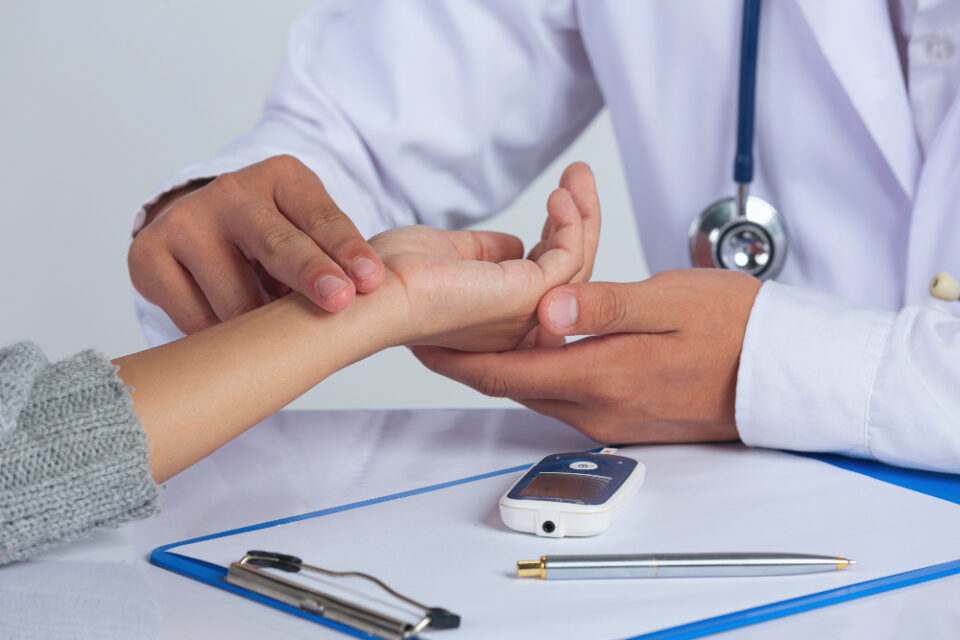
Last week, a young techie came into my clinic with the air of someone who had solved the mysteries of the universe. He didn’t hand me his lab report or his prescription; he gave me his smartwatch. “Doctor,” he declared, “I slept six hours and twenty-three minutes, with seventy-five per cent deep sleep.” He looked at me like a student expecting full marks. I asked him one question: “Did you wake up refreshed?” He blinked. His watch had not provided an answer. Numbers are impressive, but they don’t tell you whether you still need a strong cup of coffee to drag yourself through the morning.
This is the trap of our times. We have stopped asking our bodies and started interrogating our devices. Hunger is checked on calorie trackers. Hydration apps track thirst. Step counts evaluate mood. I once saw a man in Dollar’s colony Park complete five rounds briskly, then sit down, exhausted, because his watch said he still had two thousand steps left. Machines have turned us into obedient schoolchildren—chasing stars, badges, and buzzes—while the real teacher, our body, waits patiently in the corner.
Ayurveda didn’t have Bluetooth, but it had something more sophisticated—awareness. Doshas are the oldest predictive algorithms. Vata moves, pitta transforms, kapha stabilises. They don’t just explain digestion and disease; they explain why you feel irritable in May, heavy in December, or restless when you skip lunch. Apps will tell you what happened. Ayurveda suggests why it happened. And in healing, “why” matters more than “what.”
One of my patients, a software engineer, was proud that his fitness app recorded ten thousand steps daily. “That means I’m healthy, right?” he asked. I asked if those steps were taken, pacing angrily during a client call or joyfully walking with his little daughter. His face softened. Algorithms count quantity. Ayurveda looks at quality. Ten thousand angry steps can inflame your pitta; a hundred mindful steps can nourish your ojas. Health is not a scoreboard; it is a state of balance and harmony.
The obsession with tracking has created a new disease I call digital prajnaparadha—an error of judgment born from blind faith in gadgets. Charaka described prajnaparadha thousands of years ago as the root of disease: forgetting your inner wisdom. Today, it seems that people are eating by calorie count, not by appetite; sleeping by app notification, not by their natural circadian rhythm; and drinking water because of a notification, not because they are thirsty. A gentleman once asked me if it was okay to drink water at 10:02 since he had missed his reminder at 10:00. I told him, “If you need an app to remind you to drink, it’s not your throat that’s dry, it’s your common sense.”
This blind faith would be funny if it weren’t tragic. I once met a patient who measured his blood pressure fifteen times a day and panicked every time the numbers fluctuated. When I asked how he actually felt, he admitted he was fine until the app made him anxious. We have outsourced not only our intuition but also our peace of mind. Data is supposed to guide health, not generate disease.
What fascinates me is how Ayurveda can offer wisdom even to artificial intelligence. Consider prakriti typing: vata people are restless, multitaskers, creative, and easily distracted. Pitta people are sharp, ambitious, and prone to anger. Kapha people are steady, loyal, and fond of food and naps. This is precisely what modern companies do—profiling customers and predicting their preferences. Spotify guesses your next song. Ayurveda guesses your next imbalance. The difference is that one predicts what you might buy; the other predicts how you might fall ill. Which do you think is more valuable?
Science is already flirting with this idea. Researchers are building sensors that mimic pulse reading. Some AI models are being trained to integrate genetics, diet, and lifestyle for personalised health advice. But no matter how advanced, they hit the same wall: context. Machines can measure your heart rate but not your heartbreak. They can analyse your REM sleep but not your guilty conscience. They can calculate your calorie intake, but not your craving for affection. Ayurveda insists that numbers without narrative are like a prescription without a patient—technically correct but practically useless.
I am not anti-gadget. Wearables have their place. They can remind you to move, to drink, to take a break. They are good servants. But they should never become masters. I often tell patients: use your tracker as a nudge, not as a nanny. Let it remind you of dinacharya—your daily rhythm—but don’t let it dictate your day. Technology should amplify self-awareness, not replace it.
This is the practice I recommend. Tomorrow morning, before checking your notifications, take a moment to check your pulse. Feel your breath. Observe your hunger. Ask your body—not your phone—how it feels. If you feel scattered, vata is high; ground yourself with warm, nourishing food and a gentle massage with sesame oil. If you feel irritable, pitta is high; cool down with coconut water and a walk under the shade of the trees. If you feel sluggish, kapha is high; spark your agni with ginger tea and a brisk round of Surya Namaskar. It takes five minutes, and unlike your app, it costs nothing.
The irony of our age is that we have more health data than ever before, yet we have less health awareness than our grandparents. My grandmother never wore a smartwatch, yet she knew when her digestion was off, when her mood was shifting, when her body needed rest. She trusted the whisper of her pulse, not the glare of a screen. Today, surrounded by metrics, many patients still ask me, “Doctor, why do I feel so tired?” Numbers cannot answer that question. But your body can, if you listen.
Algorithms know your habits, not your health. They predict your shopping cart, not your state of mind. A smartwatch can capture numbers, but not meaning. Ayurveda doesn’t track; it teaches. In the end, the only algorithm worth trusting is the one beating quietly at your wrist.
I have written a book.
If this blog spoke to you, the book will stay with you longer.

2 comments
Very apt article for the present genZ… who think they are smarter because of smart gazette. High time we realize the totality of our ancient wisdom and live a healthy life.
THANK YOU