
Some days, I feel we are living in a world where every passing emotion wants a prescription, and every ordinary worry wants a clinical label. A young man walked into my clinic recently and announced, with the seriousness of a UN delegate, “Doctor, I think I have performance anxiety, high-functioning procrastination, unresolved childhood triggers, and a possible avoidant attachment style.” I asked, “When did this start?” He said, “After my boss told me to redo a presentation.” In earlier times, this was called “learning.” Today it’s called “episode.” The dosa batter is not always spoiled—sometimes it just needs time to ferment.
In our grandparents’ world, emotions were not medical conditions. They were ingredients. Grief was like slow-cooking sambar — it needed time, heat, silence, and patience. Heartbreak was bitter neem — sharp, cleansing, and unforgettable. Fear was mustard seeds — dramatic flare, loud crackle, then silence. Confusion was raw rice — needs washing, soaking, understanding, not panic. Nobody rushed to diagnose life. Nobody placed emotions under fluorescent lights. They stirred, waited, tasted, and lived through them. Not everything was urgent, and nothing was instant, except maybe tea.
Last week, a college student sat across from me, eyes wide, voice trembling. “Doctor,” she said, “I think I have an anxiety disorder.” I asked, “When does it appear?” She replied, “Mostly during exams.” I smiled and said, “That means you are alive.” She looked embarrassed, as if I had taken away her eligibility to suffer. The truth is: stress is not always a malfunction. It’s the body saying, “This matters.” Like salt, too little, and life feels flat. Too much, and everything becomes unbearable. Balance is not perfection; it’s an adjustment.
Research from the University of Liverpool argues that diagnostic inflation is real; we now pathologise emotional weather as if being human were a chemical error. Ayurveda said this centuries ago: the mind is not meant to be permanently calm. It is meant to ebb and return. Emotions are digestion. Some thoughts burn. Some soothe. Some demand chewing. The problem is not emotion; the problem is our surprise at feeling them.
Then there’s the villain of the century: comparison.
Social media has convinced us that life should look like a wellness retreat brochure — chia pudding, yoga mats, aesthetically folded blankets, homes where not a single child has ever sneezed. Meanwhile, real mornings look like burnt chapati, missing chargers, two arguments before breakfast, and Bangalore traffic honking like it’s auditioning for Indian Idol. No wonder ordinary chaos feels like pathology.
One patient changed my understanding forever. A woman in her thirties, competent, intelligent, exhausted. She said softly, “Doctor, I am not sad. I am tired of holding everything together.” She didn’t need antidepressants. She needed permission. Permission to silence. Permission to eat slowly. Permission to say, “I matter.” Her healing was not a tablet. It was boundaries, warm food eaten sitting down, early nights, sunlight, and the radical act of doing nothing without guilt. She didn’t improve overnight, but like a stubborn dish that finally softens, she began to change.
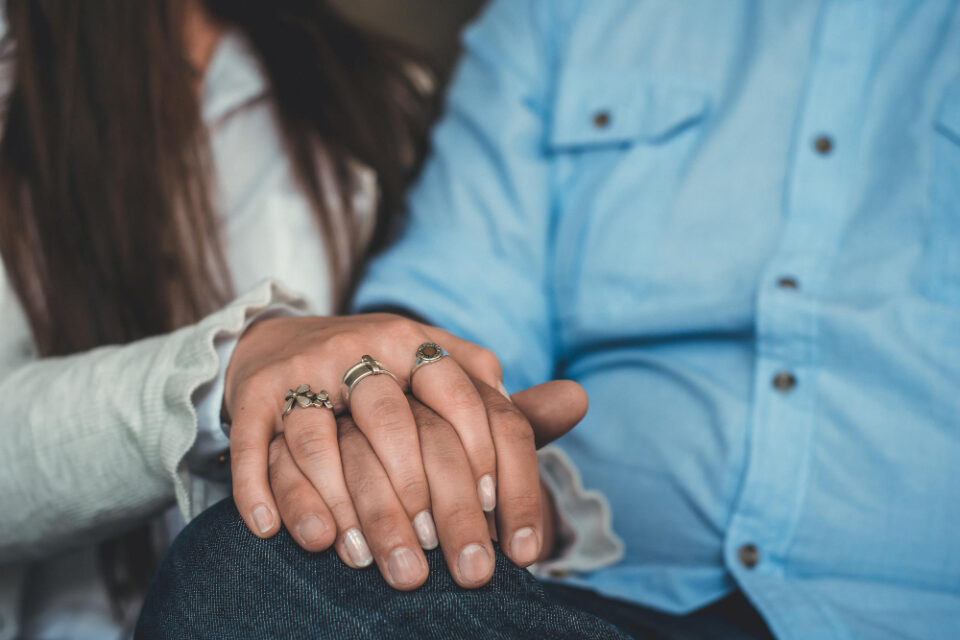
So how do we live without diagnosing every feeling? We start where all real healing begins in the body. Warm food steadies the mind. Regular meals create rhythm. Sleep becomes medicine when we treat it as a ritual rather than an inconvenience. A walk can reset thoughts the way stirring a simmering pot prevents it from burning. Touch — whether a hug, a massage, or a hand held a little longer than usual — reminds the nervous system that it isn’t alone. And silence, that forgotten ingredient, softens mental noise the way a pinch of salt can transform a dish. When the body feels held, the mind stops asking for rescue.
Modern science backs every bit of this: breath regulates the vagus nerve, routine stabilises cortisol, sunlight builds serotonin, movement rewires mood, and eating in company reduces inflammation. Your grandmother was not traditional; she was neurologically correct.
Of course, real psychiatric illnesses exist — depression, bipolar disorder, PTSD, psychosis — and they deserve respect, treatment, and compassion. But confusing life with illness does no one any good. Tears are not symptoms. Boredom is not a malfunction. Loneliness is not a defect. Humans are not machines; humans are kitchens — messy, fragrant, unpredictable, full of experiments that sometimes burn and sometimes become family recipes.
And somewhere between all the chopping, stirring, waiting, crying, laughing, and tasting — life becomes edible.
If there is one sentence to carry long after you finish reading, let it be this: You don’t need to fix every emotion — you need to learn how to cook with it.
I have written a book.
If this blog spoke to you, the book will stay with you longer.
