
It didn’t happen all at once. The shift arrived like an old song on a forgotten radio—unexpected, oddly comforting, and impossible to ignore. At first, it was just a few notes—a friend sipping tulsi tea instead of cola, a colleague slowly talking about chyawanprash as if it were insider trading. Then it spread. One by one, people began slipping away from the antiseptic embrace of white-coated certainty and toward shelves lined with powders their grandmothers once stirred into boiling water. The engineer with acidity, the teacher with sleep that wandered, the banker whose backache survived six MRIs—they all began arriving at Ayurveda’s door, not with fanfare, but with fatigue. Not seeking miracles, just someone who would listen before prescribing.
Modern medicine has given us marvels—machines that see through skin, drugs that can outsmart germs, surgeries that stitch lives back together. But alongside all the brilliance, something personal got misplaced. In the rush to cure, the care sometimes felt clinical. And so, many began seeking a slower voice—one that asked not just for reports, but for routines as well. A medicine that didn’t just study the disease, but studied the person. Ayurveda, with its herbs and head tilts, its warm oils and warm questions, offered something different. In a world of protocols and precision, this felt like a conversation with your body, your habits, your history—a quiet reunion with yourself.
Thus they came—believers, sceptics, and everyone in between. Drawn not by perfection, but by a quiet promise: that healing could be personal again. In the bitter decoctions and humble bowls of boiled rice, they sensed something modern life had quietly misplaced—a medicine that asked for their story before offering a solution. A reminder that healing isn’t a transaction, but a relationship.
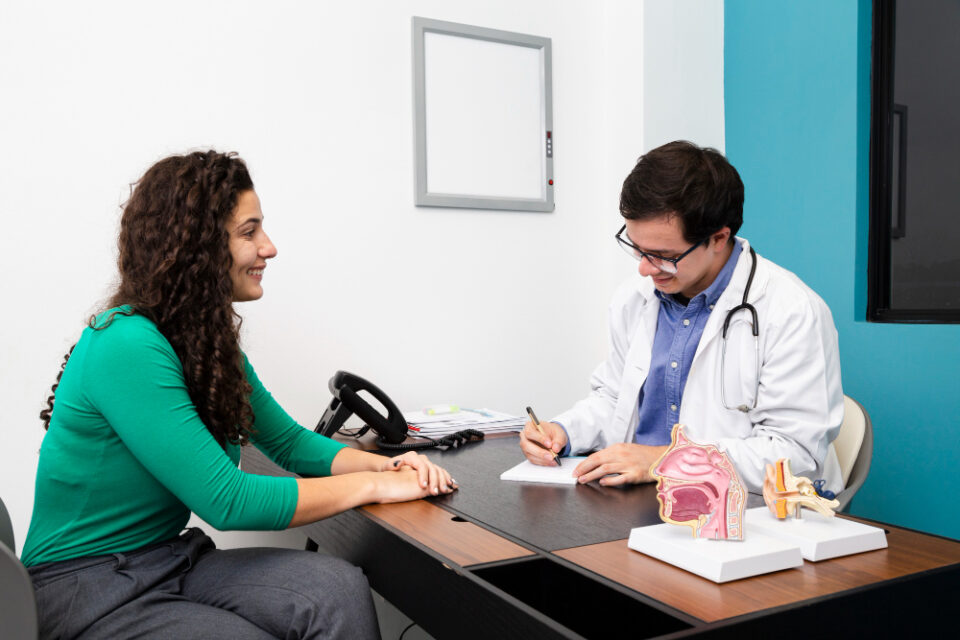
I see this moment every evening in my clinic at R.T. Nagar. It arrives in the eyes of people walking in for their first consultation, not just carrying reports, but carrying stories—and often, sorrow. I call them first-time Ayurveda seekers. And their reasons for coming are as layered as the human pulse I check on their wrist.
There was a man from Koramangala with a 6mm kidney stone. His urologist recommended lithotripsy. “But I’m terrified of hospitals,” he confessed. “Can Ayurveda dissolve it?” We worked together for three months—utilising herbal medicines, dietary changes, and warm water rituals—and one day, he walked in waving an ultrasound report like a trophy. Stone gone. Surgery dodged. I added him to my mental file titled “Surgery Avoiders.” There are many: those told they need their gallbladder removed, their knees replaced, their uterus scooped out. They come to Ayurveda hoping it will say, “Let’s not rush.”
Then there are the “Side-Effect Refugees”—people who’ve had enough of the pharmaceutical rollercoaster. One elderly gentleman came in holding a list of eight medications. “Doctor, these tablets are helping my sugar, but they’ve stolen my sleep, appetite, and… joy.” He had developed tremors from a statin, acidity from metformin, and anxiety from just reading the side-effect labels. Ayurveda, to him, was not a backup plan—he attempted to feel human again. There is a certain elegance in seeking healing, not just symptom control.
Not all first-timers are tired or ill. Some come armed with curiosity, clean eating habits, and Fitbits. They are the “Health-Conscious New Generation”—young professionals, yoga instructors, tech enthusiasts, and new parents. They want to “understand their body type,” eat according to their dosha, and balance their hormones naturally. They say words like “gut health,” “adaptogens,” and “sleep hygiene” and hope I’ll nod approvingly. I usually do, before adding, “That’s lovely. Now, tell me what time you go to bed.”
Ayurveda is no longer a last resort. It is becoming a considered first step, especially for the “Integrative Seekers.” These are individuals who trust their blood tests but also believe in the power of herbs and time-tested traditions. Who respect their allopathic doctor but want a complementary path. One software engineer told me with complete sincerity, “Doctor, I’m fine doing all the investigations—blood tests, scans, MRIs, you name it. But when it comes to taking medicines, I’ll stick to Ayurveda. Allopathy only if unavoidable.” He wasn’t rejecting modern science—just choosing a healing path that felt more in tune with his body. For patients like him, Ayurveda isn’t an alternative. It’s the first language they want their recovery to speak.
But every first-timer comes with expectations—and misperceptions.
Some think natural means effortless. “This is all herbal, so I don’t need to change my diet, right?” Wrong. Ayurveda without pathya (wholesome living) is like rowing with one oar. Others hunt for a secret formula. “Is there one herb for PCOS?” they ask, as if I’m guarding a sacred spice mix. Then there are the detox fanatics. “I want to do panchakarma. My friend lost 4 kilos!” I ask, “Do you know your prakriti?” “No, but I’m ready to vomit if needed.” That’s commitment, but not clarity.
Consultations are their theatre. Some patients bring folders of lab reports, but grow impatient when I ask about their bowel habits or sleep patterns. One man asked if he could record my nadi pariksha. “So that I can play it back later,” he said. Another wanted an app that could track his vata daily. A lady once told me, “Doctor, I believe in Ayurveda, but not in giving up cold coffee.” Selective believers—they want the benefits without the bitter. I smile. Healing is not a buffet. It’s a journey.
Yet despite the quirks, I admire these seekers deeply because it takes courage to step into an unfamiliar system. Especially one that asks for your story, your habits, your willingness to change.
Take thyroid disorders, for instance. I’ve had patients come in, exhausted from years of pill-popping, saying, “I want to try something that addresses the root.” With proper evaluation, a consistent protocol, and minor lifestyle adjustments, many individuals have experienced improvement, not just in TSH values, but also in their energy, weight, mood, and menstrual cycles. They become quiet advocates, sending their friends and family. I call them the “Converter Seekers.” Ayurveda didn’t just treat their disease. It earned their loyalty.
Women comprise a significant segment of first-time buyers. Many with PCOS, endometriosis, fibroids, or menopausal symptoms—tired of being told to “just take hormones” or “wait it out.” One woman with irregular cycles and acne had been prescribed contraceptive pills for five years. “They fixed my calendar but broke my skin,” she said. Six months into Ayurvedic care, her cycles regularised naturally. Her confidence returned. She gifted me a copper water bottle with a note: “Thanks for treating me, not just my hormones.”
Chronic illnesses bring another type of first-timer: diabetics, hypertensives, patients with IBS or fibromyalgia. Tired of lifelong medication, they come looking for gentler, sustainable care. Many don’t expect a cure, but they want hope. In Ayurveda, daily routines are structured around dinacharya, ahara, nidra, herbal medicines, and therapies. It’s not just handed to you. It’s built with you.
Some come as a last resort but demand first-priority miracles. A man with advanced psoriasis told me, “I’ve tried everything. If Ayurveda can’t help in two weeks, I’ll just live with it.” I wanted to say, “You’ve given steroids two years and want me to compete in a fortnight?” But I simply said, “Let’s give your skin a season.” He stayed. He improved. He now sends selfies of his elbows every Sankranti.
Some cases are poignant. A young mother with stage 4 cancer came seeking Ayurveda. “Not for cure,” she said. “For comfort, digestion, sleep. I want to feel normal for my daughter’s birthday.” We gave her supportive care. She attended that birthday. Sometimes, healing is not about prolonging life, but enriching what remains.
Modern life complicates treatment. One patient asked, “Can I take your medicines with me on my trek to Ladakh?” Another needed medicines that fit in cabin baggage. One wanted a gluten-free version of chyawanprash. A content creator requested an “aesthetic herbal face pack for reels.” I obliged. Ayurveda adapts—but it doesn’t dilute.
Technology adds another twist. Some patients want WhatsApp consultations, real-time pulse analysis, and reminders for decoctions. I gently remind them, “This isn’t food delivery. Healing has its timing.” They smile, then ask, “But can you at least email my prescription?”
First-time Ayurveda seekers come from diverse backgrounds—engineers, lawyers, journalists, autorickshaw drivers, students, and homemakers. Some want clarity. Some want alternatives. Some want to be heard. Ayurveda offers a medicine system where your body, mind, seasons, food, thoughts, and sleep patterns all matter.
The first visit often surprises people, not because it’s mystical, but because it’s personal in a way medicine rarely is. I ask about your appetite, sleep patterns, bathroom habits, and energy levels after meals. I study your pulse, your tongue, and the way you speak about your pain. Instead of a stack of pills, you might leave with a bottle of churnas, a list of what not to eat after sunset, and instructions to eat slowly, like your grandmother once insisted. It may feel underwhelming, even quaint—until your body quietly begins to cooperate. And by your third visit, you’re the one reminding your spouse to stop eating curd at night.
Aphorisms help me explain. “A pill may suppress the symptom; a lifestyle can silence the cause.” Or: “The root of the disease is often not in the organ, but in the origin story”, and “Ayurveda doesn’t aim to control the body—it aims to help you understand its language.”
I often tell new patients, “This is not a one-night stand with wellness. This is a relationship. And like all good ones, it requires honesty, effort, and time.”
What surprises me most is the ripple effect. One patient improves and brings their spouse. The spouse brings a sibling. The sibling convinces their boss. Suddenly, the office has switched from samosa breaks to herbal tea. I’ve seen families change grocery lists, reorganise dinner times, and even revive ancestral recipes.
Ayurveda’s renaissance is not just a medical trend—it’s a cultural homecoming. Not a return to superstition, but a move forward to integration. Where science meets wisdom. Where patients are participants. Where wellness is not outsourced to a prescription but cultivated like a garden.
To every first-time reader of this: your doubt is valid. Your curiosity is sacred. Your healing is possible. You don’t have to choose between tradition and progress. Choose what you listen to. Choose what understands you.
If you do choose Ayurveda, don’t just ask, “What herbal medicine should I take?” Ask, “How should I live?”
The real medicine often begins after the clinic visit ends.
That is the secret most first-timers discover by the time they return for their second.

2 comments
Excellent article. Nicely explained about science of life, feeling proud of Ayurveda
THANK YOU