
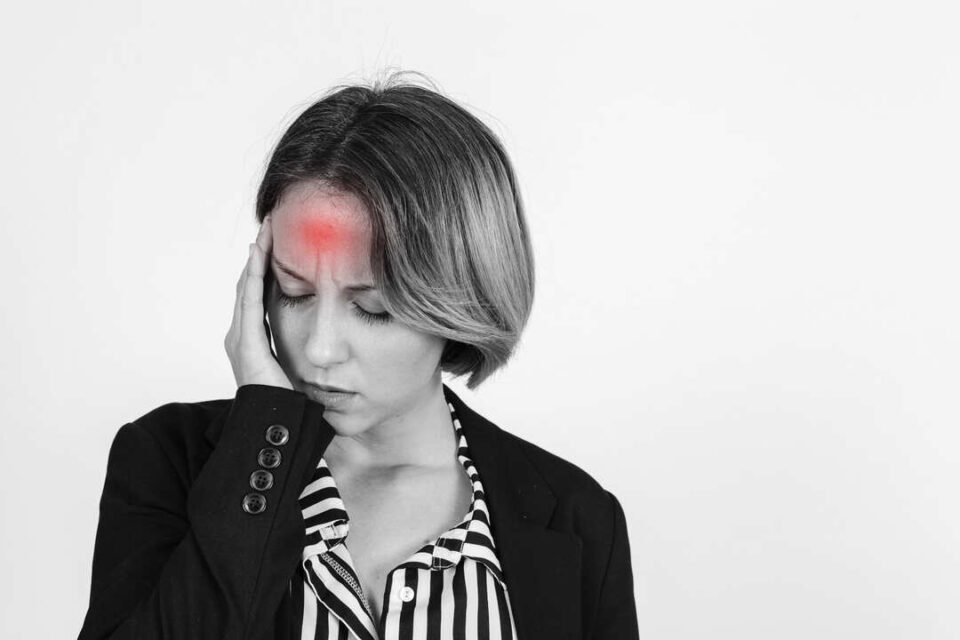
A headache has an extraordinary sense of timing. It rarely arrives when you are resting near an open window with no responsibilities. It comes during a deadline, halfway through a parent–teacher meeting, in Bengaluru traffic, or precisely when three people are waiting for one decision from you. The head tightens, the neck stiffens, and suddenly even a harmless WhatsApp notification feels personally offensive.
The commonest culprit is often the tension-type headache. People describe it as a tight band around the forehead, pressure at the temples or a dull weight spreading from the neck to the head. Unlike a typical migraine, it is usually not strongly pulsating, does not become much worse with ordinary movement and is not accompanied by vomiting. It may last half an hour, several hours or occasionally much longer. The formal definition sounds tidy; the person experiencing it merely says, “Doctor, somebody is slowly tightening a belt around my head.” The International Headache Society classifies it as infrequent, frequent or chronic according to the number of headache days.
The name, however, can mislead us. A tension-type headache is not always caused by emotional tension, and telling every sufferer to “stop taking stress” is not treatment. It is advice of the same quality as telling an insomniac to sleep early. Long screen hours, sustained posture, irregular meals, inadequate sleep, jaw clenching, eye strain and tenderness in the muscles around the neck and scalp may all contribute. In many patients, several small disturbances quietly form a committee.
Before trying any remedy, first ask a useful question: does this genuinely resemble your familiar tension-type headache? A sudden explosive headache, the worst headache of your life, requires urgent medical attention. So does a headache accompanied by fever, neck stiffness, confusion, fainting, weakness, numbness, seizures, double vision, repeated vomiting or difficulty speaking. A new headache after head injury, during pregnancy or soon after delivery, or in someone with cancer or reduced immunity also deserves prompt evaluation. A headache beginning for the first time after fifty, steadily worsening or changing its old behaviour should not be introduced to ginger tea before it is introduced to a doctor. NICE guidance similarly emphasises assessing warning features before treating a headache as a harmless primary disorder.
Once danger signs are absent, begin with the least glamorous remedy: interrupt what caused the strain. Step away from the screen. Unclench the teeth. Allow the tongue to rest instead of pressing it against the palate as though it is holding up the roof. Drop the shoulders, support the lower back and look at something farther away than your laptop. Five quiet minutes will not repair a toxic workplace, but they may persuade the trapezius muscles that the emergency meeting has ended.
Heat often helps when the neck and shoulder muscles feel tight. Place a comfortably warm towel or heating pad over the back of the neck for ten to fifteen minutes. Warm means soothing, not a domestic attempt at cauterisation. Some people prefer a cool cloth over the forehead; that is equally reasonable. The body is allowed preferences even when Instagram has already selected a universal remedy.
Follow this with gentle movement. Slowly turn the head from side to side, bring the ear towards each shoulder and draw the shoulder blades slightly backwards. There should be a mild stretch, never sharp pain, giddiness or tingling down the arm. Do not rotate the neck dramatically in full circles; the cervical spine is a joint, not the dial of an old radio. If headaches repeatedly begin in the neck, a physiotherapist can assess posture, muscle endurance and jaw or cervical problems. Current headache guidelines support physical therapy and regular aerobic or strengthening exercise, although the benefit varies from person to person. The 2023 VA/DoD guideline includes physical therapy and exercise among the non-drug options for tension-type headache.
Massage can be useful, but aggression is not therapeutic depth. With the fingertips, gently massage the temples, scalp, base of the skull and the muscles above the shoulders for five to ten minutes. A warm oil massage may add comfort, particularly in people who feel dry, stiff and exhausted. Sesame oil suits some; coconut oil feels more pleasant to others in hot weather. The relief probably comes less from the oil possessing secret intelligence and more from warmth, touch, reduced muscle guarding and the temporary permission to stop working.
Hydration deserves accuracy. Drinking water does not cure every headache, but dehydration can certainly provoke or worsen one. If you have spent the morning travelling, sweating, fasting or surviving entirely on coffee, drink water gradually and eat something sensible. Pouring three litres into yourself after the headache begins is neither necessary nor heroic. Pale-yellow urine and regular intake through the day are more useful goals than competitive hydration.
Do not overlook meals. Long gaps between breakfast and lunch are common in busy professionals who then blame “gastric” for everything from irritability to international politics. A simple meal containing protein, vegetables and a reasonable portion of carbohydrate may help when hunger has joined the headache. Repeated fasting, crash dieting and excessive dependence on tea or coffee can make the nervous system more irritable. Your brain is only about two per cent of body weight but behaves badly when room service is delayed.
Caffeine is an interesting accomplice. A small cup of tea or coffee may relieve headache in a regular user, especially when the headache is partly caffeine withdrawal. But repeatedly treating headache with more caffeine can disturb sleep, increase anxiety and prepare tomorrow’s headache with admirable efficiency. Keep the amount moderate and fairly consistent. If reducing caffeine, taper it gradually rather than announcing a revolution on Monday morning.
Slow breathing is more useful than simply being instructed to relax. Try five minutes of comfortable diaphragmatic breathing: inhale gently, then let the exhalation remain slightly longer. Bhrāmarī can also be calming when practised softly, without force or breath-holding. Progressive muscle relaxation is another practical method: gently tense and release the shoulders, hands, jaw and facial muscles in sequence. These practices do not imply that the pain is imaginary. They reduce the state of physiological vigilance in which every muscle seems to be awaiting bad news.
A short walk may work better than lying in bed and negotiating with the headache. Walking loosens the shoulders, changes visual focus and reduces the accumulated stillness of desk work. For prevention, regular exercise matters more than one heroic workout performed after six sedentary days. Twenty to thirty minutes of walking on most days is an excellent beginning. The body prefers small agreements that are kept over grand promises that expire by Wednesday.
Sleep is not merely the interval between two screen sessions. Both insufficient sleep and irregular sleep can increase headache susceptibility. Keep waking time reasonably consistent, reduce stimulating work before bed and address snoring, teeth grinding or frequent awakenings if present. A lavender fragrance may be pleasant and may help some people settle, but it is not a proven substitute for correcting chronic sleep loss. Use essential oils only for aroma, well diluted and away from the eyes; swallowing them or applying concentrated peppermint oil to the face can create a new problem while the old one is still seated.
Ginger tea, chamomile and peppermint may be comforting beverages, but they should not be advertised as dependable cures for tension-type headache. Ginger has been studied more in migraine and nausea than in ordinary tension-type headache. If a warm infusion helps you pause, hydrate and relax, enjoy it. Just do not force six cups upon a stomach that had no role in starting the dispute.
Ayurveda approaches headache under several patterns rather than treating every aching head as one disease or casually declaring it “high Pitta.” The physician considers digestion, sleep, bowel habits, exertion, sensory overload, emotional strain and the nature and location of pain. A gentle head massage, regular meals, adequate rest, suitable breathing practices and correction of daily routine can be valuable. But strong nasya, purgation or other procedures should not be converted into casual internet home remedies. Putting medicated oils into the nose of a person with an undiagnosed, recurrent headache is not self-care; it is treatment without diagnosis.
Painkillers can help an occasional tension-type headache, but suitability depends on age, pregnancy, allergies, kidney or liver disease, ulcers, other medicines and several individual factors. More importantly, frequent use can itself create medication-overuse headache. If you need pain medicine repeatedly, if headaches occur on fifteen or more days a month, or if the pattern continues despite correcting obvious triggers, seek medical assessment. Chronic tension-type headache is not simply an ordinary headache that has developed a strong personality.
Keep a headache diary for a few weeks. Record when the pain begins, how long it lasts, its severity, sleep, meals, menstrual relationship, screen hours, exercise, medicines and associated symptoms. Patterns often emerge that memory misses. “I get headaches without any reason” may gradually become “They occur on days when lunch moves to four o’clock, coffee reaches cup number five, and my shoulders spend eight hours near my ears.” A diary turns suffering into usable information.
The best home remedy is therefore not one miraculous herb. It is a small sequence: recognise the headache, exclude warning signs, step away from strain, use comfortable heat or gentle massage, move the neck sensibly, eat and hydrate appropriately, breathe slowly and protect sleep. If the headache keeps returning, investigate why rather than endlessly improving the tea.
A tension-type headache is often the body’s least dramatic protest and therefore its most frequently ignored one. Listen while it is still speaking in a dull voice. The next communication may arrive with a louder subject line.
