
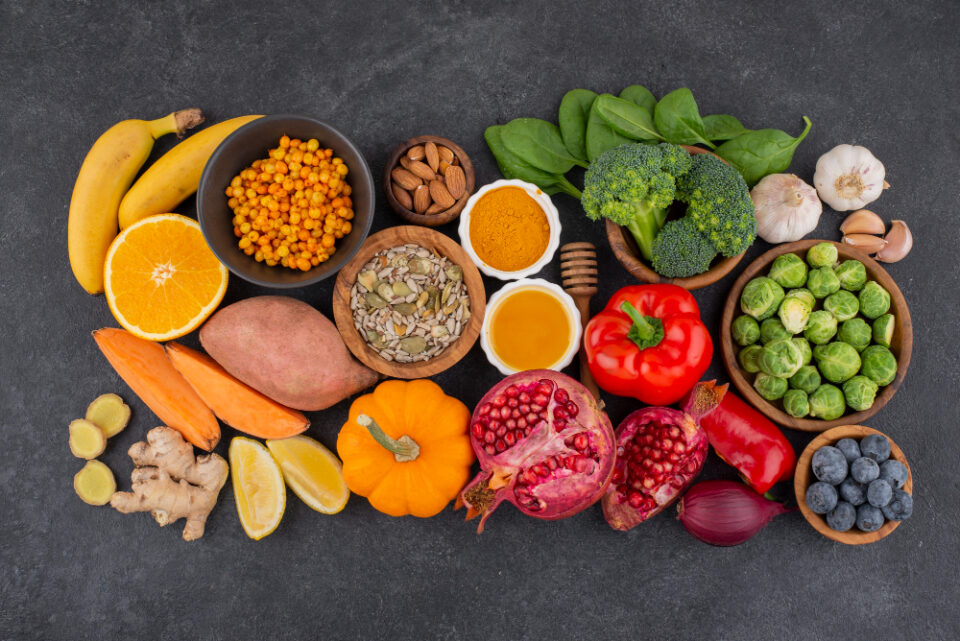
It started with protein shakes and ended with psyllium husk. Wellness, like fashion, loves its trends — and fibre has become the new Gucci. On Instagram, everyone’s “fibremaxxing.” In my OPD, too, patients arrive quoting influencers: “Doctor, I have started chia, flax, oats, and apple pectin. My gut is glowing!”
I ask, “And your mood?”
They blink. “Still buffering, doctor.”
Fibre may move your bowels, but joy still needs movement elsewhere.
Although the word “fibre” is modern, the Ayurvedic texts taught that “food must be well-digested, move smoothly, nourish the tissues and clear the channels.”
In other words: good fibre = food that is whole, moderately textured, well-prepared, and moves you gently and graciously. When digestion works well, everything else sings in tune — mood, metabolism, even morality. Modern science agrees: 90 % of your serotonin, the happy hormone, is made in your gut. So yes, your bowel is basically your second brain — and sometimes the wiser one.
One of my patients, Swati, 29, came with chronic constipation. She had tried every trending cleanse on the internet. “Doctor, I take two bowls of salad, a smoothie, and oats daily,” she said proudly. I asked, “Do you cook any of it?”
“Cook? It’s raw. That’s healthy!”
“Then why does your stomach sound like an orchestra tuning up?” I teased.
Ayurveda would diagnose her with vata aggravation — too much dryness, air, and raw food. I told her, “Fibre without oil is like traffic without police. You need balance.” I switched her to warm moong-dal khichdi with ghee, cumin, and a sprinkle of methi leaves. Within a week, her orchestra retired. The colon loves warmth more than trendiness.
Then there’s my 45-year-old banker patient, Prakash, who proudly tracks his “fibre goals” on an app. “Doctor, I eat 30 grams a day — proof!” he said, showing me his phone. I asked, “How much water?”
He looked confused. “Maybe four glasses?”
“Ah,” I said, “then your colon is running a marathon without hydration.”
Here’s the practical truth: increase fibre slowly and drink at least twice as much water. Aim for 25–30 grams of fibre daily. For a quick test, look at any food label — Aim for at least 1 gram of fibre for every 10 grams of carbohydrate. Anything less, and you’re chewing marketing, not millet.
For breakfast, try what one of my yoga-loving patients does thrice a week — sprouts tossed with lemon, followed by a handful of blackberries and a glass of youngberry juice. Yumlicious, she says, and I agree. For lunch, choose red rice or hand-pounded rice, dal, and a heap of vegetables sautéed with mustard seeds. Dinner? A bowl of moong soup or vegetable stew — your gut’s lullaby.
Many people overdo it. A young techie once told me, “Doctor, I added bran to everything — chapati, idli, even dosa. Now I feel full all the time.” I said, “That’s not fullness; that’s protest.” Too much fibre can block absorption of minerals and lead to bloating, gas, or what Ayurveda calls udgara — noisy rebellion from within.
The secret is in pairing: fibre loves fat. Ghee, sesame oil, or mustard oil helps it move smoothly through the gut. Add jeera, ajwain, or hing — they act like traffic police for digestion. If your food tastes like a hospital diet, Ayurveda says you have lost rasa — the juice of life.
Modern science now validates these Ayurvedic tips. Studies show soluble fibre (found in oats, barley, banana, apple, and dal) feeds gut bacteria that produce short-chain fatty acids — natural anti-inflammatories that protect your heart and brain. Insoluble fibre (in wheat bran, veggies, and fruits) keeps the plumbing efficient. The combination is what Charaka called samyak ahara — a balance between cleansing and nourishing.
Fibre is also a quiet psychiatrist. Several studies link high-fibre diets with reduced anxiety and depression. There’s a reason a bowl of dal-chawal feels therapeutic — it resets the gut long before therapy resets the mind.
Patients often ask, “Doctor, which fibre supplement is best?” My answer is boring but honest: your local market. Guava, papaya, banana, beans, drumstick, leafy greens, jackfruit, and millets — India’s soil offers a buffet of natural fibre. Ayurveda calls this desha-saatmya — what grows where you live suits you best.
One amusing trend I noticed: people adding imported chia seeds while ignoring local sabja (basil) seeds, which do the same job and taste better. I tell them, “You don’t need a visa to digest.” Our kitchens already have the medicine.
Over the years, I’ve realised fibremaxxing isn’t just about food — it’s a mirror of how urban India lives. Constipation, bloating, IBS — these aren’t just digestive problems; they’re metaphors for emotional traffic. When life clogs, bowels follow. Ayurveda reminds us that digestion starts in the mind. Eat in peace, chew slowly, sit cross-legged, and keep your phone at least a table away. Your colon hates multitasking.
One evening, my teacher, Dr Kshirasagar, told me something I’ll never forget: “Real health means your mind empties before your bowels do.” I laughed back then, but now I quote it every week. The gut and the mind are like neighbours separated by the diaphragm — both need space, warmth, and a little daily cleaning to stay friendly.
Your Fibremaxxing 101, doctor-approved, Bangalore-tested:
1. Eat at least 25–30 g of fibre daily from fruits, vegetables, dal, and grains.
2. Pair fibre with healthy fats — ghee, sesame, or coconut oil.
3. Drink 2–3 litres of water.
4. Cook most of your vegetables; avoid raw excess if your digestion is weak.
5. Add a teaspoon of triphala at night if your colon feels lazy.
6. Walk 15 minutes after meals.
7. Smile while you chew — it releases saliva and good vibes.
Remember, the goal isn’t to hit a number; it’s to create rhythm. When Agni burns steadily, Ojas shines. When digestion flows, life does too.
A final story: an elderly lady from Malleswaram once told me, “In our days, doctor, we didn’t count fibre; we just ate what was cooked.” Her plate was seasonal, her stress minimal, her bowel punctual. She didn’t need probiotics — she was one.
Fibremaxxing, in the end, is not about grams or gadgets. It’s about gratitude — for food, for routine, for the minor miracle of daily clearance. The gut, after all, is not just an organ; it’s your oldest conversation with life itself. Feed it well, listen to its murmurs, and every morning will feel like a fresh start — inside out.
I have written a book.
If this blog spoke to you, the book will stay with you longer.
You can get your copy here.
