
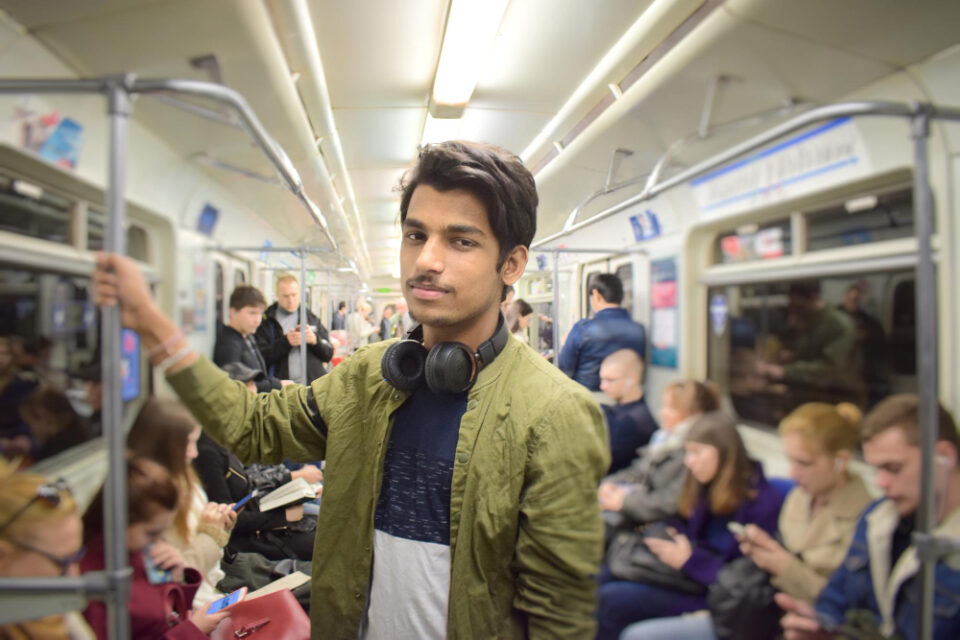
Once, work came with rest built into it, no permission required. The body stopped, society allowed it, and nothing collapsed. Today, stopping feels risky. We move as if rest might cost us relevance, income, or dignity, even when we cannot explain why.
Rest has become the most misunderstood word in modern life. We mistake it for sleep, outsource it to vacations, and medicate it with screens. We praise exhaustion as ambition and treat stillness as laziness. When the body finally protests, we search for disease instead of asking what rhythm we broke.
Earlier, the rest lived inside labour. Farmers paused between furrows. Artisans stretched their hands mid-task. Teachers spoke between classes. Bus journeys became conversations. These moments were not inefficiencies; they were how effort remained human. Work resumed steadier, not weaker.
Today, rest must justify itself. It must be productive, mindful, scheduled, or paid for. Sitting quietly invites guilt. Doing nothing feels irresponsible. Even illness rarely earns rest without apology. Patients tell me, “Doctor, I couldn’t work yesterday,” as if recovery needs an excuse.
As a physician, I see the consequences daily. They arrive without drama. Blood pressure is normal. Sugar stays under control. Scans show nothing worth circling in red. And yet, patients complain of persistent fatigue, unexplained body pain, disturbed sleep, gut discomfort, and a constant sense of inner urgency. Medicine refers to these as “non-specific symptoms.” The body calls them warnings.
Biology explains why. Human systems evolved for oscillation rather than endurance. The nervous system switches between alertness and repair. When danger passes, the body expects rest. Digestion resumes. Immunity recalibrates. Sleep deepens. When this shift does not occur, the body remains braced. Cortisol remains elevated. Repair stalls quietly.
Many people confuse rest with relief. Relief is dopamine, short, stimulating, addictive. Rest is repair, slow, unglamorous, essential. Scrolling distracts the mind briefly. The body remains on duty. That is why people feel tired even after hours of “unwinding.” The mind disengages. The nervous system does not.
The gut exposes this first. Digestion cannot function properly without safety. When rest disappears, the gut hesitates, inflames, or rebels. Patients arrive with acidity, bloating, constipation, loose stools, or alternating chaos, often with “normal” reports. The problem is not what they eat. It is their relentless alertness.
We blame technology because it is visible. But phones did not steal rest. We surrendered it. The deeper engine is fear.
Survival anxiety hardened into ambition. Ambition mutated into comparison. Comparison fermented into greed. Movement began to feel moral. Stillness began to feel dangerous. Rest started to look like falling behind.
This is not personal failure. It is structural hostility to rest. Modern work rewards availability rather than recovery. Algorithms profit from interruption. Schedules punish stillness. We confuse busyness with value and responsiveness with worth.
Ayurveda never treated rest as a lifestyle choice. It saw recovery as a biological necessity. Classical observations described health as a balance between effort (shrama) and settling (vishrama), without which digestion, sleep, and resilience quietly weaken. Bodies that never rest, Ayurveda noted, do not fail loudly; they wear down and heal slowly.
Rest was never solitary. It was social. It happened in the company on verandas, under banyan trees, on field bunds, during shared travel. These moments did not just recover bodies. They stitched communities together. Stories emerged. Conflicts softened. Relationships recalibrated without instruction.
Now, even when work stops, attention does not. The hand reaches for a screen. The person beside us fades. Silence fills with content. We are rarely alone, yet increasingly unaccompanied.
Rituals reflect this shift. Bells ring. Screens glow. Food is eaten without tasting. Experience gets documented instead of absorbed. News moves fast. Stories move deep. News informs. Stories connect. A place can survive without stories. It cannot live.
I sometimes prescribe rest explicitly. Not vacations. Not apps. Ten minutes. Phone in pocket. Talk to the person beside you—about the weather, tea, traffic. Patients smile politely, as if indulging an old-fashioned doctor. Some return weeks later, surprised. “Doctor, it felt relieving.”
That relief is not psychological. It is physiological. The nervous system recognises safety. Repair begins.
We are not tired because we work too much. We are exhausted because the body never enters a state of repair.
The loss of rest does not announce itself loudly. It accumulates quietly in inflamed guts, shallow sleep, irritable minds, medicated calm. A society that forgets how to rest does not collapse. It becomes anxious, exhausted, and permanently busy while calling itself productive.
The man who has lost his rest has not lost time. He has lost texture. And without texture, life may become efficient, measurable, and accurate, but quietly uninhabitable.
That may sound philosophical.
But every doctor recognises it the moment a patient sits across the table and says,
“Doctor, reports are fine. Still, something feels missing.”
Between the prescriptions, that is often the real diagnosis.
I have written a book.
If this blog spoke to you, the book will stay with you longer.

2 comments
Great this read this Doc. I wrote something similar, more from cultural perspective in my column this month . You can check it in my website – anuradhagoyal.com
SURE MADAM. THANK YOU