
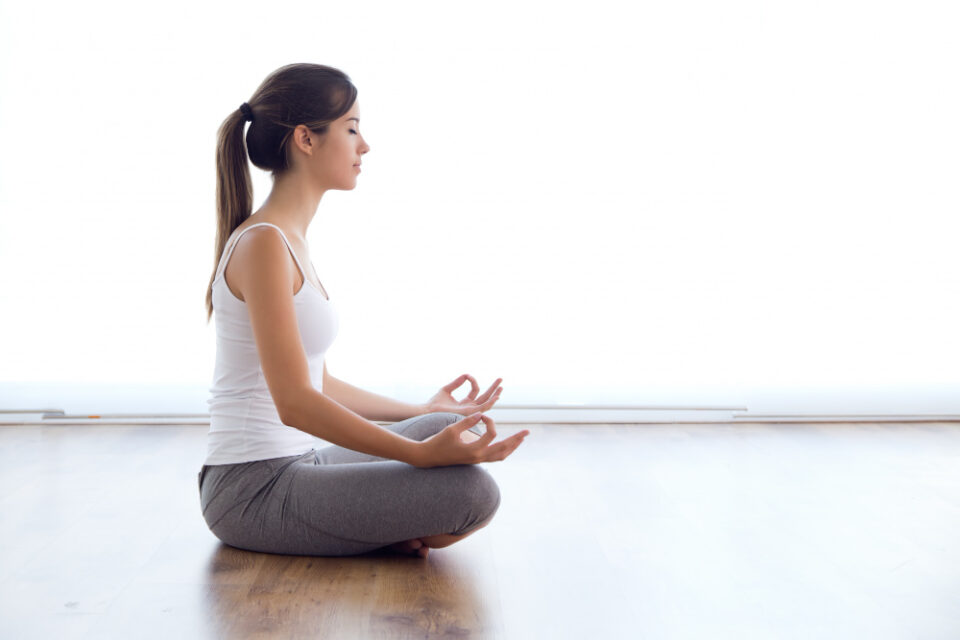
Today is World Meditation Day. Which means if you ask ten people whether they meditate, eleven will say yes. One will add, “I do it differently.”
In my clinic, meditation has become the new multivitamin. People announce it with confidence, as if it were a badge stitched to their nervous system.
“Doctor, I am doing meditation.”
I have learnt to ask a dangerous follow-up question.
“Which meditation?”
That is usually where silence enters the room.
A middle-aged software consultant once sat across from me, phone face down but vibrating every few minutes, insisting he had been meditating daily for six months. When I asked how, he said, “I sit quietly and plan my week. It really clears my head.” His pulse was fast. His shoulders were tight. He checked the time twice during the consultation. When I suggested that what he was doing was not meditation but rehearsal, he appeared relieved rather than offended. So it’s common, doctor?
No. It isn’t.
Some patients stare at the ceiling when asked. Some look inward, hoping the answer will arise on its own. Some say, “You know… just sitting quietly.” Others admit, “I close my eyes and think about my future plans. Business strategy also comes. Is that okay?”
It is okay. But it is not meditation. It is Excel with closed eyes.
Classical India was oddly specific about these things. It did not romanticise silence. It catalogued it. The Vijnana Bhairava Tantra listed 112 distinct meditation techniques—on breath, sound, sensation, fear, joy, even on the pause between two thoughts. The Yoga Sutras of Patanjali, far less poetic but clinically sharp, defined meditation as sustained attention without interruption. No future planning allowed. No to-do lists. No rehearsal of arguments you might have with your cousin next Sunday.
Yet here we are, in 2025, calling strategic rumination “mindfulness.”
We are living in interesting and confusing times.
Meditation now has poster boys. Earlier, it was sages with matted hair and inconvenient questions. Today, it is founders, podcasters, and newsletter philosophers. Happiness is framed like a software update. Breath is timed like an athletic sprint. Meditation has been optimised, quantified, and hacked.
On the other side, older voices have become background music—respected, familiar, easily ignored. Trendier figures rise and fall. Some turn meditation into a spectacle. Some into satire. Serious seekers wince. WhatsApp forwards laugh.
Meanwhile, something quieter is happening.
Vipassana centres are full. No music. No slogans. Ten days of watching breath and sensation like you are guarding a border post. People emerge thinner, calmer, and oddly polite. Kriya Yoga groups are gathering momentum too—less talk, more discipline, breath treated like a surgical instrument rather than a lifestyle accessory.
As a doctor, I find this fascinating. And useful.
Over the years, patients who “meditate” have been classified into three clinical categories.
The first are the Performers. They meditate the way they post on social media. Ten minutes. Incense. Soft flute music. A photograph. Their cortisol remains unimpressed.
The second are the Escapers. Meditation becomes a means of avoiding decisions, conversations, and, occasionally, treatment. “Doctor, I am meditating on my diabetes.” Blood sugar does not respond to meditation alone.
The third are the Practitioners. They do not discuss it much. They rarely announce it. Their sleep improves before their vocabulary does. Their reactions soften. Their symptoms reduce quietly, without ceremony.
This is the group that makes me pay attention.
True meditation, regardless of brand, has three effects that I observe repeatedly in clinical practice.
First, it delays reaction. Anger still arises. Fear still visits. But there is a slight pause before action. That pause is not philosophy. It is medicine.
Second, it exposes restlessness rather than hiding it. Many stop meditating not because it fails, but because it works too well. Silence is not always soothing. Sometimes it shows you exactly how noisy you are inside. That confrontation is deeply uncomfortable. It is also diagnostic.
Third, it makes symptoms less dramatic. Pain still hurts, but it no longer panics. Anxiety still appears, but it does not hijack the entire day. Healing becomes possible not because the problem vanished, but because the nervous system stopped shouting.
This is why ancient systems insisted on method. Not because they were rigid, but because they understood the mind’s talent for self-deception. You cannot outsmart the mind by calling thinking “awareness.” It enjoys that loophole.
World Meditation Day tempts us to celebrate the idea of meditation. But the body responds only to the practice.
You do not need to choose between tantra, sutra, silence, breath, mantra, or observation. You need to choose honesty. If thoughts are racing, acknowledge them. If planning dominates, notice it. If boredom arises, sit with it. That is already meditation, beginning to act like medicine.
In my clinic, I often say this gently: meditation is not about becoming calm. It is about becoming accurate.
Accurate about what you feel. Accurate about how reactive you are. Accurate about how often you escape into noise.
In a world that sells tranquillity in ten easy steps, the most radical act may be to sit quietly and not improve yourself at all.
Meditation does not make you special. It makes you less fooled.
When the noise recedes and the urge to fix fades, do not seek insight or transcendence. You are simply watching a mind that has stopped interfering with itself.
I have written a book.
If this blog spoke to you, the book will stay with you longer.

2 comments
Sir,
Most indispensable but least understood or explained word “MEDITATION” has been so well articulated in your writing . You have mastered the Ayurveda knowledge so well that you always come with most fundamental points and again connecting to facts and experience. That makes it useful guide. I again assert that style of language and depth of literary touch is unique in creating interest to read . with great reverence to your knowledge thank you sir
Thank you for reading it so attentively. If the piece helped make meditation feel less mystical and more usable, then the writing has done its job—and the practice has quietly done the rest.