
It began with a man who forgot his own shoes.
Mr Murthy, seventy-two, retired banker, proud owner of three umbrellas and zero memories.
“Doctor,” he said, “my wife complains I’m forgetting things.”
“She’s right,” I replied. “You’ve forgotten to walk.”
He looked offended. “I drive to the park!”
“That’s like dieting at a buffet,” I said. “You can’t outsource movement.”
Two months later, the miracle arrived — not in MRI scans, but in his smile. “Doctor,” he said, “I remembered my wedding anniversary! And my wife!” She beamed like she’d discovered a new planet. I scribbled in my notes: Walking restores marriages before memories.
After that, I began to observe the walkers of Bangalore. They move in tribes: the gossip gang at Sankey Tank, the brisk IT crowd at Cubbon Park counting steps like stock options, and the elderly at the temple square who walk exactly three rounds and stop for filter coffee — spiritual cardio, I call it.
Something unites them — a sparkle in the eyes, a softness in the face, an ease with life. Those who walk seem younger than their prescriptions. The ones who don’t age in spirit before their skin does. Their world shrinks to sugar readings and WhatsApp forwards. But the walkers — they talk of bougainvillaea blooms, new coffee stalls, or the street dog who became their companion. Their world stays alive.
Ayurveda calls this Vyayama — not punishment but prayer in motion. A moving meditation that ignites Agni, the digestive and mental fire. Modern science, centuries late to the party, now agrees: walking increases blood flow to the hippocampus, grows new neurons, and floods the brain with BDNF — the Miracle-Gro of memory. One study found that even a 10-minute stroll can light up the brain’s dull corners. Ayurveda had called it “moving with awareness.”
But no research paper can capture the poetry of a walk.
The way thoughts line up neatly after a few steps. The way anger dissolves somewhere between two lamp posts. The way problems shrink when your feet touch the earth. Walking is the cheapest therapy I prescribe — and the hardest to follow.
Mrs Sevanthi, sixty-five, mild memory loss, high anxiety. Her son pleaded, “Doctor, she forgets everything — keys, gas, even her recipes.” I gave her Medhya Rasayana for memory and a walk for sanity. “She won’t walk,” he sighed.
“Then don’t call it exercise,” I said. “Call it temple darshan without queue.”
She started with five minutes, muttering prayers louder than her steps. A month later, she was unrecognisable — remembering names, smiling again. “Doctor,” she said, “when I walk, it feels like someone switched on the lights inside my head.”
Science calls it neuroplasticity. I call it Prana flowing home.
Sometimes I join them — my unofficial research lab at Dollar’s colony. The city wakes slowly: walkers dodging dogs, vendors pouring steaming chai, an uncle explaining geopolitics louder than the crows. There’s gossip, laughter, sweat, and oxygen in equal measure. One retired teacher greets every dog by name; another calculates his pension while walking backwards. Each is healing in his own rhythm.
The act of walking humbles you. The feet that bear your entire life’s weight ask for nothing but ground. Our brains evolved to move — not to scroll, swipe, or slouch. When we stopped walking, we began forgetting. The body remembers what the brain fails.
A 35-year-old software engineer once told me, “Doctor, I think I have early dementia. I forgot why I opened my laptop.”
“Maybe your brain’s staging a protest,” I said. “Take it for a walk.”
He laughed. Two months later, he wrote, “Doctor, I didn’t cure dementia — I cured boredom.”
That’s walking: it treats diseases that don’t yet have names.
In Ayurveda, the mind and body are roommates sharing a wall. When one moves, the other follows. Walking increases Sattva — clarity and joy — and reduces Tamas — heaviness and confusion. Today it’s called “mindful locomotion.” I prefer “Wi-Fi for the soul.” You start disconnected; you end reconnected — to breath, to sunlight, to life.
But Bangalore adds its own flavour. Morning walkers discuss cholesterol like cricket scores. Someone will always say, “Doctor, I walk 10,000 steps!” and I reply, “Good. Now take 500 of them away from the dosa counter.” Another will complain, “Too much traffic to walk.” I suggest, “Walk in the mall then — at least window-shopping burns calories.” One lady told me, “I walk only on weekends.” I said, “Then your brain will also remember only on weekends.”
Humour aside, dementia is rising faster than flyovers. And yet, the antidote doesn’t need a prescription. Just a pair of shoes, a little curiosity, and maybe an umbrella in Bangalore. Walking reduces the risk of dementia by up to 40 per cent, says research. But more than statistics, it brings rhythm to breath, to thought, to relationships.
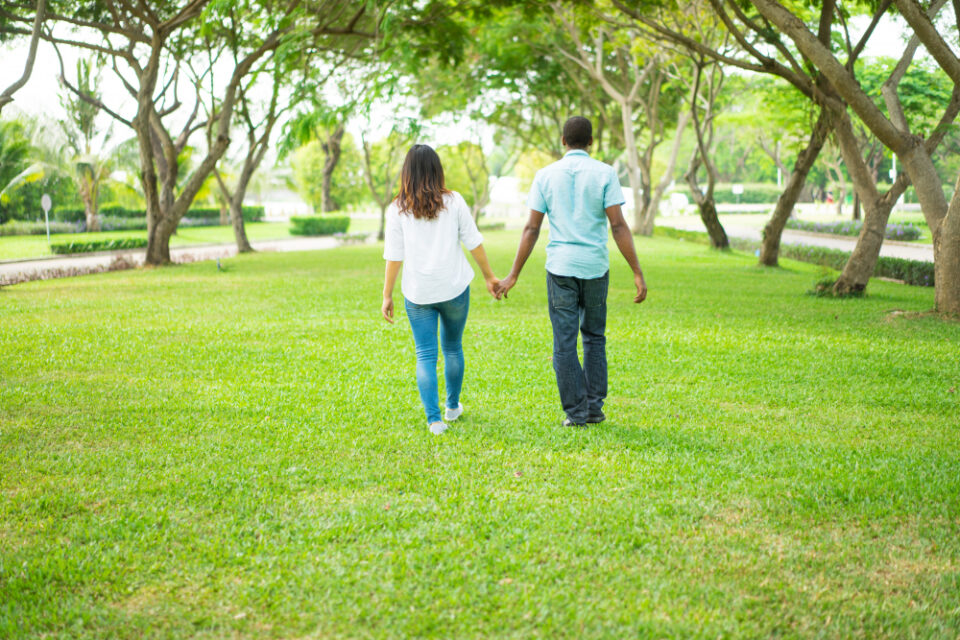
Mr Murthy still walks. Same park, same umbrella, same wife. They wave to me every morning, like clockwork. “Doctor,” he said last week, “I don’t want to forget this feeling.”
Neither do I.
We live in a world of fitness apps and brain supplements. But the most advanced technology still cannot compete with two human feet in motion. Walking is how we remember what matters — air, light, movement, and love.
If you’re reading this sitting still, here’s my final prescription:
Close your screen. Step outside.
Walk until your worries start panting to keep up.
And if anyone asks where you’re going, tell them —
“To remember.”
I have written a book.
If this blog spoke to you, the book will stay with you longer.
You can get your copy here.
