
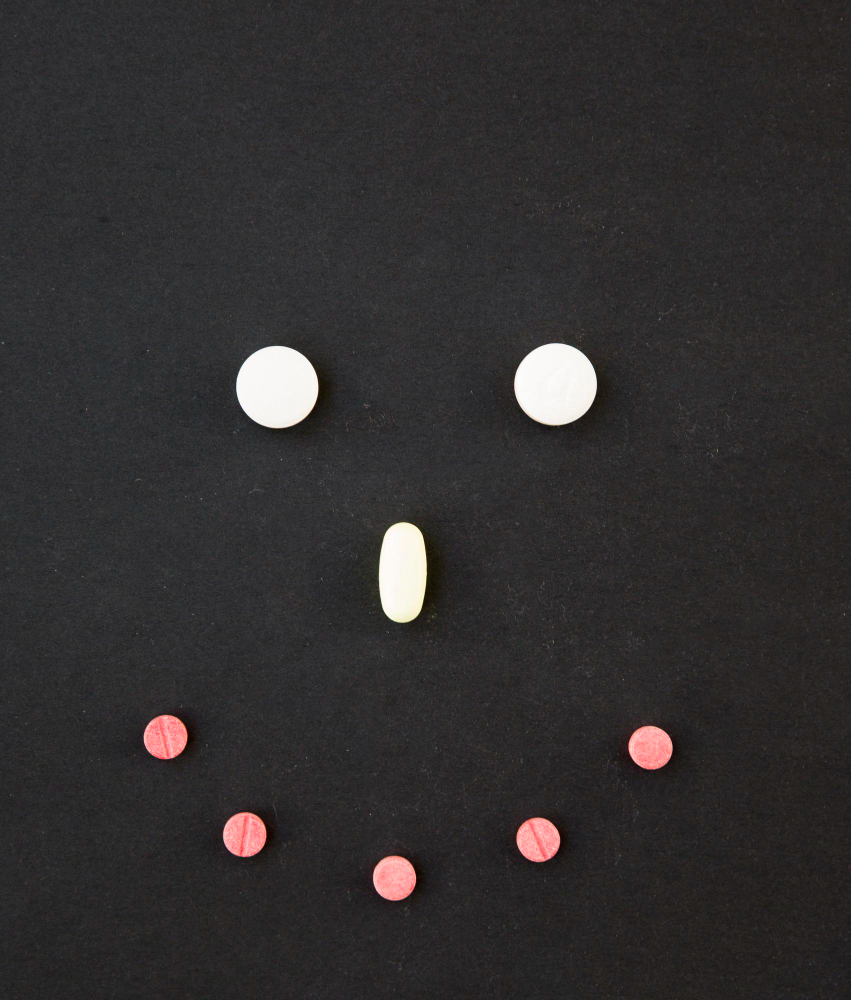
Doctors know it, researchers measure it, patients live it—yet medicine often pretends it doesn’t exist. The placebo effect sits like an uninvited guest at the table of science: everyone notices, but no one raises a toast. It can calm pain, steady blood pressure, lift moods, and even shrink symptoms, yet it rarely earns a chapter in the textbook or a seat in the treatment protocol. Why? Because belief is harder to patent than a pill. But in the clinic, where sighs matter as much as scans, I see it daily—the invisible prescription pad the body writes for itself, signed with faith, sealed with hope, and delivered in ways even biochemistry blushes to explain.
I have seen people recover from backaches the moment their MRI report said “normal.” They walked out of the scan centre straighter than they had walked in. The disc hadn’t changed in those ten minutes. Their fear had. Fear is often heavier than slipped discs. A tablet may not always heal, but faith can sometimes perform physiotherapy without touching a muscle.
A middle-aged gentleman once marched into my clinic demanding “something strong” for his stubborn constipation. Not a herb, not a home remedy—he wanted chemistry in a capsule, preferably foreign, with a name that could power a spaceship. I smiled, handed him roasted fennel, and christened it a “rare Ayurvedic royal formulation.” He carried it home like a sacred treasure, swallowed it with ceremony, and returned two days later, glowing, bowels flowing like a river in a monsoon. The irony? He had merely eaten what his grandmother used to sprinkle into sambhar. The cure wasn’t in the fennel. It was in the faith, packaged with a ribbon of imagination.
Science itself admits the theatre. Placebo surgeries exist. In one famous study, surgeons cut open knees, waved instruments dramatically, stitched them back, but did nothing inside. The patients still reported improvement. Their pain reduced, their gait improved, and their life expanded. The scalpel didn’t heal. The story did. Healing, it seems, begins long before the stitches, in the imagination of the patient lying on the table.
Ayurveda never treated a disease in isolation. We treated the person, the environment, and the spirit. When a vaidya chants while applying oil, when lamps flicker and the scent of herbs rises in the air, something inside the patient softens. That softening is healing. Modern science calls it a placebo. I call it prabhava—an effect beyond logic. If a placebo is a lie, then it is the most honest lie, because it is told with consent.
Ayurveda has a word for the power of a substance that cannot be explained by taste, potency, or chemistry—Prabhava. It is not imagination, not placebo, but a recognition that nature often works in ways science hasn’t yet mapped. Why does ghee soothe ulcers beyond its fat content? Why does sandalwood cool more than its temperature allows? Why does Tulsi steady the breath when its molecules suggest nothing extraordinary? These are not tricks of the mind but truths of experience. Where modern medicine hesitates and says “we don’t know,” Ayurveda bows and says “this is Prabhava.”
One IT professional from Whitefield once confessed: “Doctor, the moment I see your handwritten prescription, I already feel better.” He said my white-paper prescriptions gave him a sense that his body had already started recovering. I could have sulked—thirty years of study reduced to calligraphy! But I didn’t. Because in that moment, my handwriting was medicine. The pen became the pill. The placebo became poetry.
Ayurveda explains such mysteries with the idea of Prabhava—a property that works beyond the obvious. Why does ghee cool while honey warms, though both are sweet? Why does sandal calm the mind while camphor stirs it, though both are fragrant? Why does castor purge while triphala tones, though both are laxatives? These are not accidents of belief but signatures of nature that defy simple categories. Where the chemistry of rasa (taste) and guna (quality) stop, Prabhava begins. It reminds us that healing is not only about what we can measure, but also about what consistently works, even when we don’t yet know why.
Life itself is full of prabhava—the special effect that escapes neat equations. Why does a baby’s smile melt anger, while an alarm clock rattles peace? Why does rain on dry soil smell sweeter than perfume, while hospital corridors smell heavier than disease? Why does music from a temple soothe the heart, while the same drum in traffic irritates the ear? Why does handwritten ink feel warmer, while the exact words in an email feel colder? Why does grandmother’s food heal faster, while the same recipe in a hotel feels empty? Why does silence on a mountain nourish, while silence in an argument suffocates? Why does the first sip of tea refresh, while the tenth loses its charm? Why does touch from a loved one calm, while the same touch from a stranger alarms? Why does the full moon stir poets, while the night steadies monks? These are not accidents—they are prabhava, the subtle signatures of life that logic nods to but cannot measure.
But a placebo is a double-edged sword. In the right hands, it comforts. In the wrong hands, it kills. I’ve seen patients delay cancer treatment because someone sold them sugar pills dressed up as miracle cures. Faith heals, but blind faith blinds. Placebos are like fire—in the kitchen, it cooks; in the forest, it burns. Between belief and deceit lies only the thickness of a sugar pill.
Yet, in daily life, a placebo is everywhere. A mother’s kiss on a scraped knee is a placebo. A grandmother’s haldi milk is part medicine, part placebo—the turmeric soothes the body, her love soothes the mind. A teacher telling a child, “This pen is lucky” before an exam is a placebo. These are not lies. These are survival strategies. These are ways of giving the body permission to heal. Sometimes the body doesn’t need a prescription. It just needs a permission slip signed by the person you love.
Patients often ask, “Doctor, are you giving me real medicine or a placebo?” I tell them both are real if they believe. Even the most potent antibiotic cannot cure a patient who has decided they won’t get well. Placebos do not compete with medicine. It completes medicine. Sugar and science walk hand in hand. Sometimes sugar wins.
One of my favourite cases was an elderly lady who rejected all tablets but happily chewed the sugar globules from her homoeopath. Her son asked me to convince her otherwise. I told him, “Your mother is already cured. Why disturb her happiness with molecules?” Sometimes the best role for a doctor is to step aside and let faith finish the job. If she is smiling, then the placebo has delivered the rarest medicine of all—joy.
Even in traffic, I’ve tested it on myself. If I tell myself honking raises my blood pressure, it does. If I tell myself honking is percussion practice for a new Carnatic orchestra, I smile at the chaos. Placebos aren’t just about tablets. It’s about the story you choose to believe in the middle of life’s jams.
One more curious thing—you can’t placebo yourself. You need an accomplice. Someone has to hand you the pill, write the prescription, or bless the concoction. Healing is never just about substances. It is about stories. Doctors, priests, marketers, teachers—we are all storytellers, spinning narratives that become medicine. The pill is secondary. The story is primary.
Relief often arrives first in the mind, and only later in the bloodstream. Was it the molecule? Or was it the magic? Perhaps both. Healing is not a straight line between pill and tissue. It is a dance between belief and biology. Between chemistry and storytelling. What counts is not the chemistry of the pill, but whether it lets your feet dance, your voice find laughter, and your days stretch a little further.
The placebo effect teaches us this: medicine is not only what goes into the body, but also what goes into the mind. A doctor’s words can be as potent as a drug, and a patient’s belief can be as healing as a prescription. The most excellent cure lies where science and trust shake hands.

2 comments
I absolutely enjoyed reading the article. 100% agree with your traffic placebo. I’ve experienced it myself.
thank you