
I once had a patient walk into my clinic with a rather peculiar question: “Doctor, can you explain why I catch every flu that’s going around, even if I’m trying to stay healthy?” He had the kind of face that suggested he was looking for a magic bullet, something he could take on a Tuesday afternoon to stop sneezing by Wednesday morning. His energy was low, his eyes a bit dull, and it was clear he was caught in the never-ending cycle of sickness and recovery. I thought for a second before answering.
“Oh, you’re looking for Ojas, my friend.”
He blinked at me, clearly unfamiliar with the term.
“Ojas is your body’s immune intelligence,” I said, leaning back in my chair. “It’s not just your physical strength; it’s your essence. Your vitality. Your immunity.”
I could see a spark of curiosity in his eyes. But it was still a lot to unpack. So, I launched into an impromptu lecture, one that I’ve delivered countless times in my clinic. After all, this concept of Ojas is the very cornerstone of Ayurveda’s approach to health.
“Ojas,” I said, “is a subtle, vital essence that resides in the body. It’s like the glue that holds everything together—your strength, your immunity, your ability to fight off disease, both mental and physical. Imagine it as your body’s deepest reservoir of energy, a wellspring that you draw from in times of stress, illness, or fatigue.”
Ayurveda’s take on Ojas isn’t something you’ll find in your typical health magazine. It’s not just about vitamins and minerals. It’s the foundational energy, created through digestion, a healthy lifestyle, and the subtle balance of the mind and emotions. A concept that blends body, mind, and spirit in a way that one struggles to grasp.
I continued, “When you nurture Ojas, you’ve got immunity on your side. Your digestive fire (Agni) is strong, your habits are in alignment with nature, and your emotions are well-balanced. But when you neglect Ojas—whether through poor diet, stress, or negative emotions—you’re depleting your immune system without even realising it.”
At this point, my patient seemed genuinely intrigued. “So, what’s the secret to building Ojas?” he asked.
“Ah, my friend,” I said, “the secret is simpler than you think, but the path is subtle.”
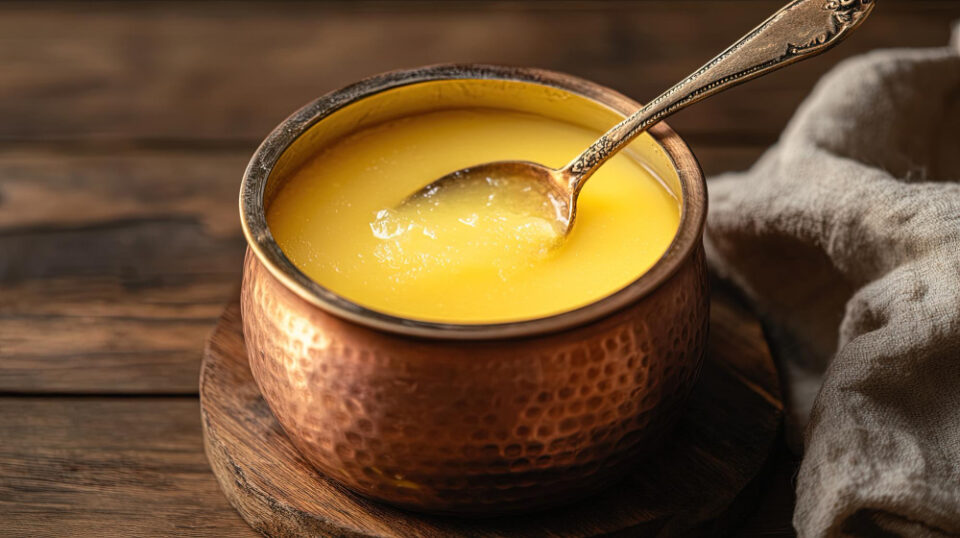
Building Ojas is like planting a tree. It takes time, patience, and a steady, nurturing hand. First and foremost, we look at food. According to Ayurveda, the right foods nourish Ojas, supporting the body’s immune intelligence. Warm, nourishing foods like soups, stews, ghee, and freshly prepared grains —such as rice or oats — are your allies. Think of these as the kind of comfort foods that not only fill the belly but also replenish your energy reserves. Avoid cold, heavy, and processed foods, which can create ama (toxins) and deplete your Ojas.
For example, if you’re having a busy day, running from one meeting to the next with nothing but a cup of cold coffee in hand, you’re not doing your immune system any favours. That kind of stress depletes Ojas, like a slow leak in a water tank.
I continued, “If your body’s Ojas is like the oil in a well-maintained machine, then stress, overwork, and emotional turmoil are like rust that wears it down. And what’s worse, these rusting agents are often invisible.”
I thought about that for a moment, realising that emotions—those sneaky little things we often overlook—can play just as important a role in our immune health as the food we eat.
“I’m not just talking about physical stress,” I said. “Anger, jealousy, resentment, fear—these emotions chip away at Ojas without you even knowing it. If you’re constantly in a state of anxiety, or if you hold grudges, your Ojas is being silently eroded.”
My patient’s expression softened. He’d never really thought of emotions as part of the equation, but he seemed to understand. “So, what can I do about that?” he asked, looking more than a little hopeful.
“First,” I said, “you have to be kind to yourself. Take a moment each day to breathe. I’m not talking about a ‘deep breathing’ session; I’m talking about really feeling that breath move through you. And remember to laugh. It’s like a dose of medicine for the soul.”
“And secondly,” I added, “cultivate habits that nourish your Ojas. You don’t need to be perfect, but small actions—like getting enough sleep, staying hydrated, and reducing stress—make a huge difference.”
As I watched him scribble notes in his little notebook, I realised that the concept of Ojas isn’t just about the body—it’s about a holistic approach to health. It’s about balance, about aligning yourself with nature, and nurturing all aspects of your being. In a world that’s constantly racing forward, Ojas reminds us to slow down, to listen to our bodies, and to care for our inner vitality.
Before he left, he turned back to me. “Doctor, if I build up my Ojas, will I finally stop catching every flu bug that comes around?”
I smiled. “Not only that. You’ll feel more resilient, more vibrant, and more connected to the world around you. And that’s not just immune health—it’s life at its fullest.”
As he walked out of the clinic, I felt a quiet satisfaction. The most profound answers often lie not in prescriptions, but in understanding the body’s innate wisdom. Ojas is the very essence of well-being.
Health is not the absence of disease, but the presence of vitality. True strength comes from the wisdom within our bodies.
