
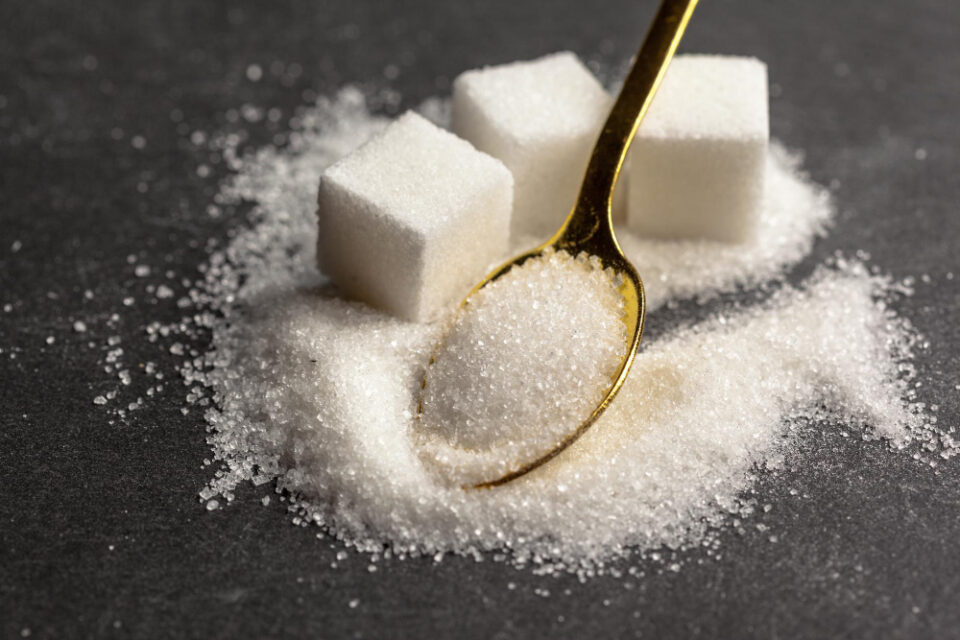
Sugar is not just a food in India. It’s a language, a tradition, a blessing. We begin life with gud in our mouth, greet guests with mithai, and end every fast with a sweet. “One spoon of sugar in your tea?” is not a question—it’s a default setting. And if you dare say no, you’re met with a frown and, “Oh, are you diabetic?”
When someone tells me they’ve given up sugar, I salute. That’s not a diet choice—it’s a spiritual leap.
Prakash Uncle, my 64-year-old neighbour. Every evening, he’d have one glass of tea, two biscuits, and three pieces of kaju katli—because he believed sweets help digestion. One day, his blood sugar hit the roof. His daughter banned all sweets from the house. For two weeks, he sulked like a teenager who lost phone privileges. On Day 10, he knocked on my door and said, “Doctor, do you think God intended life without halwa?”
I smiled and replied, “Maybe he just intended better pancreas function.”
Giving it up, even for a few days, can start to change your body in surprising, almost sneaky ways.
Your gut, for instance, stops bloating like it’s auditioning for a soap commercial. Your tongue begins to notice the sweetness in carrots, almonds, and even the humble jeera rice. Your 4 pm headache stops gatecrashing your meetings. You no longer look at your colleague’s birthday cake like a lost lover. Most shocking of all? You stop being so cranky that even your dog stops avoiding eye contact and finally sits next to you without checking for an escape route.
Let me tell you about Ruchi, a 32-year-old marketing executive from Indiranagar. She came to me with acne, mood swings, and a chronic craving for chocolate after lunch. She wasn’t overweight, but her energy crashed mid-afternoon. “Doctor,” she sighed, “I can’t think straight without my sweet fix.”
We examined her diet. Breakfast: cornflakes. Mid-morning: low-fat yoghurt with fruit. Lunch: rice with tamarind chutney. Evening: energy bar. Dinner: chapati and dal—and a square of dark chocolate “just to unwind.” I showed her how nearly every item she ate had added sugar, even the ones labelled “healthy.” She was living in a sweet fog, but didn’t know it.
She agreed to a two-week sugar cleanse. No white sugar, no brown sugar pretending to be healthy, no “jaggery bites,” no “organic” cookies with poetic ingredient lists. Day 3, she called, panicked. “Doctor, I shouted at my manager and cried in the lift.”
“Good,” I said. “That’s withdrawal. Not your boss’s fault.”
By Day 7, her skin looked clearer. By Day 10, she was sleeping better. On Day 14, she walked in, triumphant: “I think I found out what calm feels like.”
That’s what giving up sugar does. It doesn’t just flatten bellies. It flattens emotional turbulence. That emotional rollercoaster powered by blood sugar spikes and crashes? Gone. Your body stops being a drama queen.
Ayurveda, in its poetic precision, calls madhura rasa nourishing when taken in moderation. But excess sweet intake increases kapha, which brings heaviness, lethargy, mucus, and metabolic disorders—ever noticed that sugar cravings increase when you’re emotionally low? That’s tamas—the fog of inertia—asking for comfort. But sugar comforts like a toxic boyfriend. Temporary high, long-term damage.
Don’t get me wrong. Not all sweetness is bad. Fruits? Good. Dates? Occasionally fine. But that sugary cereal claiming “fortified with vitamins”? It’s just dessert in disguise. Even that friendly “sugar-free” biscuit uses artificial sweeteners that confuse your insulin response worse than a political debate.
One patient, Suresh, a 41-year-old gym regular from Whitefield, proudly told me he avoids all sweets. “Only one protein bar a day,” he said. I turned it around. It had 18 grams of added sugar. That’s more than a doughnut. He blinked. “Doctor, I’ve been betrayed.”
Giving up sugar reveals one universal truth: most of what we think is food is just marketing with a label. Once you cut the sugar, your real taste buds return. One patient said, “Doctor, I finally understand what cucumber tastes like.” That’s a victory.
Withdrawal isn’t pretty—headaches, moodiness, yawning like a bored cat. But hold on. It passes. Your dopamine receptors reboot. The sweet spot shifts. Your idea of dessert changes from gulab jamun to roasted coconut with ghee. Strange? Yes. But deeply satisfying.
I remember an elderly couple who decided to quit sugar for a month as a New Year’s resolution. They replaced sweets with long walks and cardamom tea. Their children were shocked to see them laughing more and arguing less. “It’s not sugar,” the husband winked. “It’s clarity.”
Even in my own life, sugar was once a silent partner. A second spoon in filter coffee, a post-lunch laddu, an evening biscuit with chai. I didn’t notice it until one week, I gave it up. I wasn’t aiming for sainthood—just a break. Within days, my thinking felt sharper. My joints creaked less. My morning fatigue vanished. My wife noticed before I did. “Your voice sounds less grumpy,” she said.
Giving up sugar is like fixing a leaky tap you didn’t know was dripping—energy returns. Hunger becomes real, not restless nibbling. Your skin starts reflecting internal peace. It’s not about six-pack abs or miracle weight loss. It’s about self-respect—for your cells, your hormones, your sleep.
Let’s not glorify substitutes too much. Stevia? Fine, in small doses. Monk fruit? Okay. But they’re bridges, not destinations. Your end goal should be this: to find natural sweetness in food, in life, in relationships—not just in your kitchen drawer.
If you’re reading this with a biscuit in hand, don’t panic. Start slow. Reduce sugar in your tea. Skip the “sugar-free” desserts that scream, “I’m sweet but I lie.” Read labels. Watch how sugar changes names: sucrose, maltose, high fructose corn syrup, invert syrup—like a criminal with multiple passports.
Give it a week. Your body will notice. Give it two weeks. Your mind will thank you. Give it a month, and you’ll wonder why you didn’t start sooner.
If anyone asks why you’re skipping dessert at the wedding buffet, just say, “I’m exploring other rasas.” Then walk away with your gut, skin, brain, and blood smiling quietly in agreement.

2 comments
Such inspiring and amusing writing. 🙂 I value the expertise and truly enjoy the storytelling.
thank you so much