
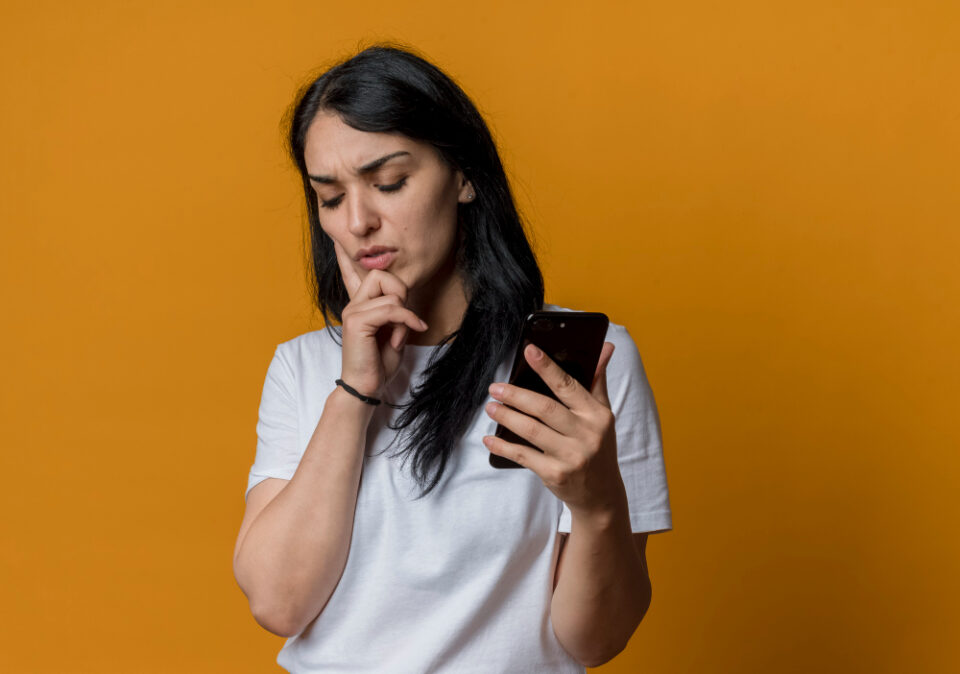
A patient forwards a 20-page lab report on WhatsApp and calls thirty seconds later, “Doctor, did you read it?”
Another sends a voice note: “Doctor, sugar 126 fasting — good or bad? Reply soon, meeting in five minutes.”
One clicks a selfie with his tongue out, asking, “Do I have jaundice?”
Another writes, “Doctor, should I take the tablet before food, during food, or while thinking about food?”
A mother messages a child’s temperature, heart rate, and zodiac sign in three separate texts — all marked urgent.
One patient insists on “express Ayurveda” because his cousin’s cold vanished in two days, as shown on Instagram.
Someone demands medicines overnight, but takes a week to pick them up.
And my favourite — a message at 11:47 p.m.: “Doctor, can I drink hot water or cold?” followed by a reminder at 11:49: “Please reply, doctor.”
That’s the new heartbeat of healthcare — fast, frantic, and permanently online. Even healing, it seems, must now come with a delivery tracker.
After the pandemic, everything changed except our anxiety. Labs became supermarkets, selling “full-body packages” cheaper than lunch buffets. Reports started flying as encrypted PDFs instead of printed sheets. Earlier, patients sat across the table; now they sit across apps. The ritual of touch — pulse reading, face reading, trust — has turned into a series of pings. The consultation begins with “Doctor, please check WhatsApp,” and ends with “Doctor, sent GPay.” Ayurveda emphasises the importance of darshana — observing the patient. Now we practice darshanam through pixels.
One man once texted me a photo of his lunch and asked, “Is this good for Kapha?” before even taking a bite. A woman wanted to know if her headache was due to Pitta imbalance or poor Wi-Fi. Somewhere, between downloads and deliveries, we outsourced intuition. The human body still takes time — but the human mind now refuses to. We live in a world that demands quick results and rapid responses. Patience, once a virtue, is now a symptom.
This new hurry has a strange hierarchy. Medicines can take a week to arrive by courier, but a message must be read in a minute. Recovery can take months, but reassurance must come instantly. Once, a patient recovering from a fever kept calling every three hours to report his temperature: “99.2, now 98.9, now 99 again — should I panic?” I told him, “If you measure it this often, it’ll rise out of irritation.” He laughed and stopped checking. The next day, his fever subsided. Some inflammations, I suspect, are caused not by bacteria, but by impatience.
Hurry has entered every organ. People breathe rapidly, eat quickly, and sleep shallowly. Digestion suffers because dinner often occurs with screens; elimination suffers because mornings usually begin with scrolling. The mind is always in transit, the breath in transit, even emotions in transit. Ayurveda refers to this as vata vikar — the disorder of speed and movement. It’s what happens when the wind blows too long without rest. The result? Anxiety, acidity, and aches that have no pathology, only pace.
But it’s not just patients. Doctors, too, have caught the same infection. Many rush through consultations, typing case notes before the patient finishes a sentence, measuring compassion in minutes. Even I’m guilty in subtler ways — trying to finish prescriptions faster, worrying about the next appointment before fully listening to the current one. I sometimes wonder if I treat people or simply process their time. In the race to be efficient, even empathy seems to have a stopwatch. In the pursuit of efficiency, we’ve mistaken haste for care. Ayurveda, on the other hand, teaches that time itself is a form of medicine. The same herb, taken at the right hour, acts differently. However, the right hour is often lost in our 24/7 world.
During my postgraduate days, consultations were longer than today’s coffee breaks. Patients shared stories, not screenshots. I could sense their rhythm, their pauses. Once, an elderly lady narrated her entire life story before I could ask her about her symptoms. When I told her, “Amma, that’s a long case history,” she said, “No, that’s my digestion story — it began with my marriage.” It’s impossible to receive such wisdom on WhatsApp. Stories heal; summaries hurry.
Cardiologists call it “hurry sickness.” Psychologists refer to it as “time urgency.” Neurologists blame “dopamine fatigue.” But centuries before these modern labels, the Charaka Samhita (Sutrasthana 1.102–103) had already diagnosed the same condition as asamyama indriyasya — the loss of restraint, when the senses outrun awareness and the mind forgets its reins. The cure hasn’t changed much in two thousand years: slow down the senses before they slow you. Breathe. Chew. Wait. Or, as I tell my patients with a smile, “There’s no medicine for impatience — only a waiting period.”
A few small acts work wonders. One of my patients, a young executive, suffered chronic acidity. Instead of antacids, I asked her to eat without the phone. Within a week, the bloating vanished. Another had insomnia; I told him to rub warm sesame oil on his feet before bed and stop checking messages after 10 p.m. He now sleeps like a monk. A third patient deleted one app and discovered one sunset. The modern cure begins with a small act of deletion.
Sometimes, I prescribe waiting as therapy. One woman messaged every hour for a week after her blood test: “Any updates?” Finally, I replied, “Yes — your impatience levels are high.” She laughed, but she understood. Now she writes weekly instead of hourly. Patience, like muscle, strengthens with practice. Ayurveda would call it samayama — the mastery of time. It’s free, but few can afford it.
The post-COVID world has given us 5G connections but 2G minds. We expect herbs to work like hardware updates. Yet the body still obeys older laws — digestion, circulation, and immunity — all of which need rhythm. You cannot download Balance. Healing, whether through Ayurveda or any system, happens at the speed of trust.
One evening, after a long day of video consultations, I realised I hadn’t truly seen a single face — just thumbnails and timestamps. A friend called and asked, “How’s practice?” I said, “Busy, but blurry.” That night, I sat with a cup of tulsi tea, phone in another room. The first few minutes felt strange — like withdrawal. Then the room began to breathe again. I heard crickets, the ceiling fan, and silence. Time, for once, stopped sprinting. I felt the medicine working — not the tulsi, but the pause.
Our ancestors waited for monsoons, for crops, for letters. We can’t wait for a reply tick. Hurry has turned us into anxious gods, demanding instant miracles. But the body is still human — it won’t reboot faster just because you tap refresh.
As I finish this piece, my phone vibrates again — a new message, “Doctor, my BP 130/90 — serious?” I smile and type, “Only if you’re reading it while running.” Then I place the phone face down and sip my coffee slowly. In a world obsessed with speed, stillness is not luxury — it’s survival.
I have written a book.
If this blog spoke to you, the book will stay with you longer.
