
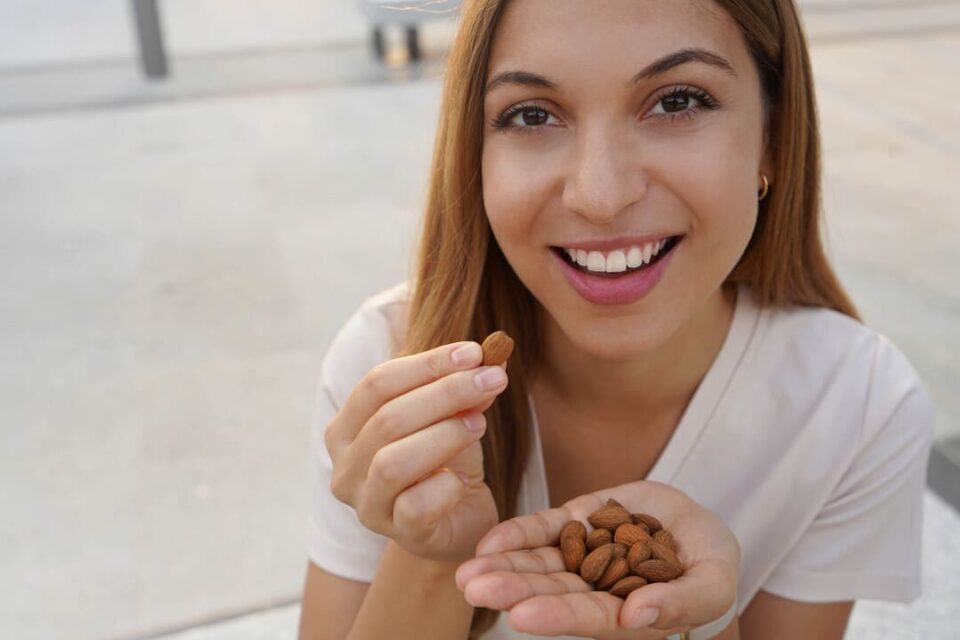
The consultation had ended exactly seven minutes earlier. The prescription was written, the diet chart explained, and the patient had thanked me with the sincerity of someone determined to follow every instruction for at least the next forty-eight hours. He reached the clinic door, stopped, turned around, and lowered his voice. “Doctor, one last question.” Every physician knows those four words can quietly cancel dinner plans. “Can I eat almonds?” he asked. Before I could answer, another question arrived. “How many? My neighbour says five. My gym trainer says twenty. My mother insists they must be soaked overnight. My wife removes the skin. My WhatsApp group says almonds melt belly fat. Who is right?” I looked at him and almost felt sorry for the almond. Few foods in history have been burdened with so many responsibilities. It is expected to improve memory, reduce cholesterol, sharpen intelligence, strengthen bones, prevent heart disease and, on alternate Tuesdays, either cause or cure weight gain.
After more than twenty-six years in clinical practice, I have realised that most people who ask about almonds are actually asking a different question. They are asking whether they can lose weight without feeling hungry. Nobody walks into a clinic excited about counting calories. They want reassurance that they can enjoy something without compromising their health. Somewhere along the way, we have developed a curious relationship with food. We distrust foods that grew on trees but place enormous faith in factory-made snacks. A packet announcing “99% fat free” appears healthier than a handful of nuts whose ingredient list contains just one word: almonds.
The irony is that almonds have been nourishing people for thousands of years, long before nutritionists, calorie-counting apps and social media influencers arrived with their opinions. Archaeologists have found evidence that almonds were eaten in the Middle East more than five thousand years ago. The Romans considered them symbols of prosperity and fertility, often showering newly married couples with almonds for good fortune. Even today, sugar-coated almonds remain a wedding tradition in several parts of Europe. It fascinates me that one of the oldest health foods on earth now needs permission from Instagram before people dare to eat it.
One of my patients, a software engineer, proudly announced that he had eliminated almonds from his diet because they were “too fattening.” While we were discussing his eating habits, he casually mentioned drinking a large caramel coffee every evening on the drive home from work. That single drink contained more calories than his carefully avoided handful of almonds. Nutrition has an extraordinary sense of humour. We often fear the wrong foods. The villains are invited in through the front door while the innocent are left waiting outside.
Research tells a far more reassuring story. A serving of about 23 almonds, roughly 30 grams, provides 6 grams of protein, around 4 grams of fibre, healthy monounsaturated fats, vitamin E, magnesium, potassium, and several plant compounds with antioxidant activity. That combination is unusually effective at increasing satiety. Protein slows hunger. Fibre delays gastric emptying. Healthy fats prolong satisfaction. Instead of causing a rapid rise and crash in blood sugar, almonds help create a slower, steadier release of energy. Your stomach feels fuller, your brain receives fewer hunger signals, and the temptation to raid the biscuit tin at four in the afternoon simply fades.
One of the biggest surprises in nutrition research is that almonds do not deliver all the calories printed on the packet. Their tough cell walls trap a portion of their fat, preventing complete digestion. Studies using sophisticated methods have shown that our bodies absorb fewer calories from whole almonds than standard food labels predict. Nature, it seems, invented calorie control long before humans invented calorie counting. It is one of those delightful scientific discoveries that remind us food is much more complicated than simple arithmetic.
Another overlooked hero inside the almond is magnesium. This mineral participates in more than three hundred biochemical reactions in the human body, influencing everything from muscle contraction and nerve function to insulin sensitivity and energy production. Surveys from several countries suggest that a significant proportion of adults fail to meet their daily magnesium requirements, particularly those eating highly processed diets. Low magnesium has been associated with poorer metabolic health and reduced insulin sensitivity. Almonds are among the richest natural dietary sources, making them far more than just a convenient snack.
Then there is the matter of chewing, a subject that rarely receives the respect it deserves. Almonds demand patience. They refuse to disappear in two hurried bites the way potato chips do. Researchers have found that prolonged chewing influences satiety hormones and gives the brain enough time to recognise that food has arrived. The appetite centre in our brain is remarkably intelligent, but it is not particularly fast. If we swallow our meals as though we are catching the last train home, it simply cannot keep up.
Every few weeks, someone asks whether almonds must be soaked overnight. Our grandmothers rarely needed scientific journals to defend this practice, but modern research offers an interesting explanation. Soaking softens the nut, making it easier to chew, particularly for children and older adults. It also reduces phytates, naturally occurring compounds that can modestly reduce mineral absorption. For most healthy adults, however, the difference is small. Raw, soaked or dry-roasted, almonds remain nutritious. Sometimes family traditions survive not because they are perfect science, but because they are perfectly sensible.
Patients are often surprised when I tell them that the greatest value of almonds lies not in what they add to the diet but in what they quietly replace. A handful of almonds in the evening frequently prevents the need for a packet of chips, a plate of fried snacks, or three cream biscuits with tea. Weight loss is rarely about finding magical foods. It is about making better substitutions often enough that they become invisible habits. Medicine has taught me that successful diets usually look quite ordinary when observed one meal at a time.
Large clinical studies have repeatedly shown that people who regularly eat nuts do not gain more weight than those who avoid them. Some studies even report slightly lower body weight and smaller waist circumference among regular nut consumers. At first glance, this seems almost unfair. How can a calorie-dense food help people remain lean? The answer lies in a beautiful combination of biology and behaviour. Almonds improve satiety, encourage healthier snacking, reduce calorie absorption, and often replace refined carbohydrates. Human metabolism, unlike social media, appreciates nuance.
That does not mean unlimited almonds are a good idea. I once met a gentleman who proudly declared he had switched to “healthy eating” by consuming nearly two bowls of almonds every evening while watching television. His weight continued to rise with admirable consistency. Even good habits lose their virtue when portion sizes abandon common sense. Around twenty to twenty-three almonds a day suit most healthy adults. Measuring them once or twice helps develop an eye for the right quantity. After that, your hand usually becomes a reliable measuring cup.
Whenever weight refuses to budge, people often blame one food. Rice becomes the criminal. Mangoes become the criminal. Bananas become the criminal. Now and then, the almond is placed in the witness box as well. The truth is considerably less dramatic. Excess weight is usually the cumulative effect of inadequate sleep, prolonged sitting, sugary drinks, chronic stress, oversized portions and physical inactivity. Our metabolism resembles a careful accountant. It pays attention to every small decision, not just the glamorous ones that dominate headlines.
The most successful patients in my clinic rarely possess extraordinary willpower. Instead, they build remarkably ordinary routines. They walk after dinner. They sleep on time. They drink more water. They eat fruit instead of confectionery. They carry a small box of almonds to work rather than depending on the office vending machine. None of these habits is exciting enough to become viral on social media. Yet together they silently transform health in ways that miracle diets never manage.
Whenever somebody now asks me whether almonds help with weight loss, I still smile before answering. Not because the question is foolish, but because it reminds me how desperately we all want simple solutions to complicated problems. Almonds are not miracle foods. They do not melt fat while you sleep or erase the consequences of an unhealthy lifestyle. What they offer is something medicine has always valued far more than miracles: dependable help. In healthcare, lasting change rarely arrives with fireworks. More often, it arrives in a small handful, repeated every day, until one morning you realise that both your habits and your health have quietly become lighter.
