
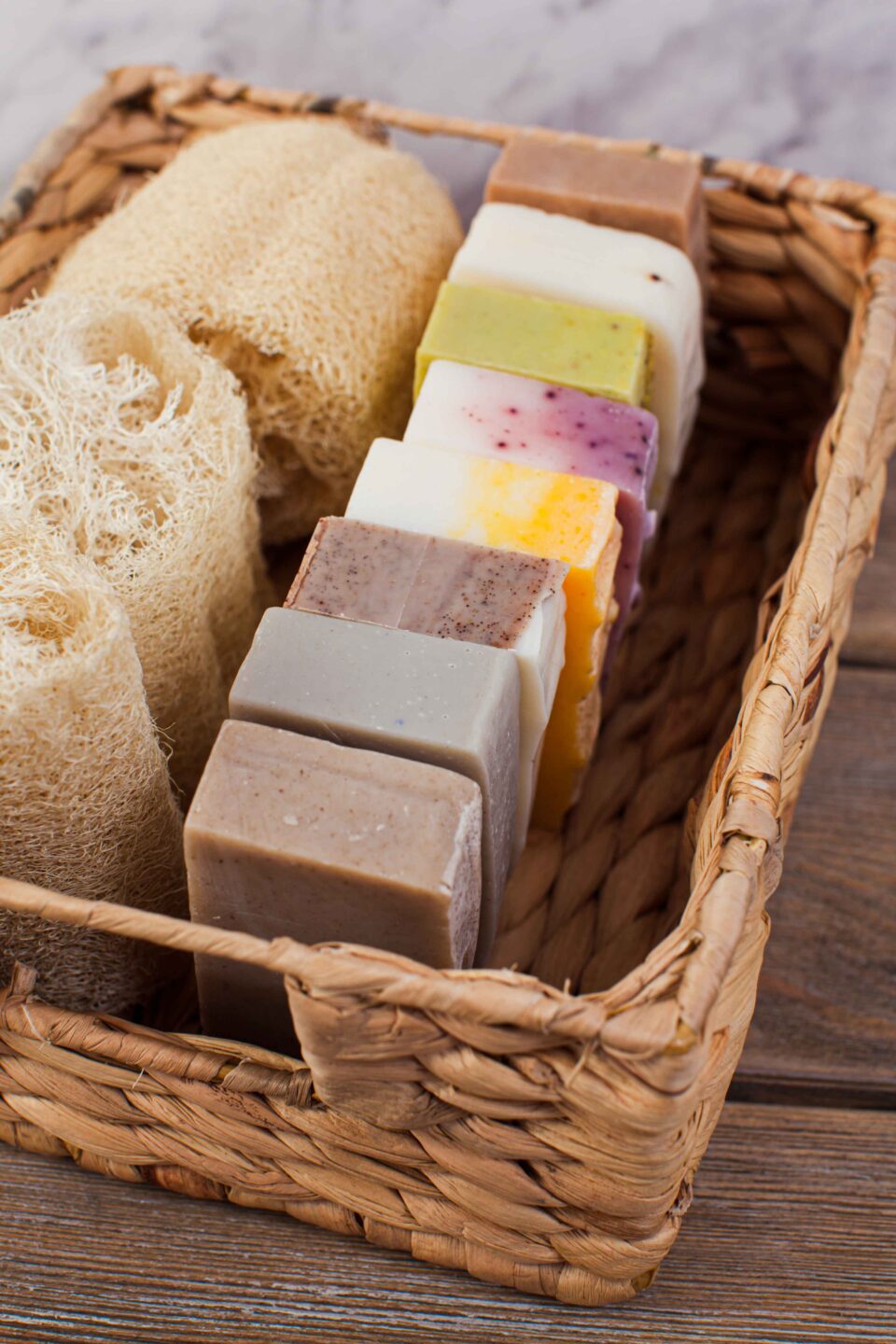
There are only two things most Indians refuse to share without hesitation. A toothbrush and a bathing soap.
A cousin can borrow your scooter. A neighbour can borrow your ladder. Your colleague can “borrow” your favourite pen permanently. A friend can wear your T-shirt and return it six months later as if nothing happened. But let someone quietly use your soap, and suddenly they have committed an offence worthy of a family meeting.
I know this because I was once that person.
During my hostel days, I guarded my soap with the seriousness of a bank locker. Every now and then, I would enter the bathroom and discover my brand-new sandalwood soap had mysteriously become smaller, softer and decorated with two suspicious strands of hair that certainly did not belong to me. My roommate never confessed. I never accused him. I simply threw the soap away with a sense of moral satisfaction. Looking back, I probably spent more money replacing perfectly healthy soap than I did on textbooks.
Years later, one of my patients laughed as she narrated almost the same story.
“Sir, in college, I never allowed anyone to touch my soap. When liquid body wash arrived, I was thrilled. Finally, nobody could contaminate my soap.”
Then she paused.
“But recently I developed eczema on my hands. My dermatologist asked me to use a medicated cleansing bar. I still feel uncomfortable. What if someone else uses it? Can soap spread infections?”
It is one of those questions that sounds so logical that most of us never stop to examine it. Soap spends its entire life touching dirty hands, sweaty bodies and dusty bathrooms. If any object deserved to become a luxury apartment for bacteria, surely soap should qualify. Television advertisements have encouraged this suspicion for years. Animated green monsters crawl happily over ordinary soap while shining pump bottles arrive like superheroes to rescue humanity. Fear, after all, has always been easier to sell than reassurance.
The funny part is this. Our ancestors worried about tigers, snakes and famines. We worry about a soap that literally exists to remove dirt.
Science, however, has a habit of quietly spoiling good stories. Most people imagine soap kills germs the way a police officer catches a thief. It doesn’t. Soap is much cleverer. Every soap molecule is like a tiny tadpole. Its tail loves oil. Its head loves water. Dirt, grease, many bacteria and even several viruses cling to the oily tail. When you rub with water, millions of these microscopic tadpoles surround the dirt, lift it away from your skin and escort the entire unwanted crowd straight into the drain. Soap is less an executioner and more an exceptionally efficient eviction notice.
That naturally raises another question. If bacteria land on the soap itself, won’t they patiently wait for the next unsuspecting victim?
Scientists wondered the same thing. Instead of arguing on television or social media, they performed experiments. In one study, researchers deliberately contaminated volunteers’ hands with enormous numbers of bacteria, including Escherichia coli and Staphylococcus. They washed using ordinary bar soap. The very same soap was immediately handed to another person. Researchers examined the second person’s hands, expecting at least some bacteria to make the journey.
Almost none did.
Another experiment was even more dramatic. Scientists deliberately coated soap bars with bacteria, including E. coli and Pseudomonas aeruginosa. Sixteen volunteers used these heavily contaminated bars exactly as people normally would. Not one had detectable bacteria transferred from the soap.
Imagine spending months designing careful laboratory experiments only to discover that your grandmother had been right all along.
The reason is surprisingly simple. Most bacteria do not multiply happily on an ordinary bar of soap. Every time the soap is used, its outer layer dissolves, washes away and carries most microorganisms with it. A soap bar is a remarkably unfriendly place for bacteria trying to establish permanent residence. It is rather like trying to build a house on a melting iceberg.
Curiously, many of the objects we touch without a second thought are far dirtier. Mobile phones travel from our hands to dining tables, kitchens and sometimes even bathrooms. Computer keyboards quietly collect skin cells, dust and microbes for months. Television remotes pass from one family member to another like relay batons. Yet nobody looks suspiciously at a TV remote and whispers, “Who used this before me?” Soap somehow earned a terrible reputation simply because we can see it.
That does not mean hygiene is unimportant. Medicine rarely deals in absolute words like “always” and “never.” If someone has open wounds, severe burns or a profoundly weakened immune system, extra precautions are sensible. Hospitals naturally follow much stricter infection-control practices than ordinary homes. A soap bar left permanently soaking in a puddle of water is also less desirable than one allowed to dry properly. Good hygiene has always been about common sense rather than panic.
Ironically, the real skin problem I encounter in my clinic is often the opposite.
People become so frightened of germs that they scrub relentlessly. Hot water. Strong antibacterial soaps. Repeated washing. Alcohol sanitisers every few minutes. Eventually, the skin’s natural protective barrier begins to crack. Dryness appears first. Then itching. Then eczema. Sometimes, the excessive fear of infection creates the very skin condition that brings them to the doctor.
There is another fascinating twist. For years, antibacterial soaps became enormously popular because they sounded scientifically superior. Yet several health authorities later questioned the routine use of antibacterial ingredients such as triclosan in household soaps because they offered little additional benefit over ordinary soap for healthy people while raising concerns about unnecessary exposure and bacterial resistance. Sometimes progress means discovering that the older, simpler solution was already good enough.
When my patient returned a few weeks later, her hands looked much better. The inflammation had almost disappeared.
“So,” I asked, “have you made peace with your soap?”
She smiled.
“Yes, doctor.”
Then she said, “But I still hide it from my husband.”
I laughed.
Some habits survive longer than bacteria.
The next time someone accidentally uses your soap, you may still feel mildly offended. That’s perfectly human. Just don’t blame the bacteria. They probably left before you arrived.

10 comments
Thank you Doctor for the information, otherwise I had the same common thinking fearing about the infection by using the common soap.
Thank you 😊
Thank you for the knowledge about the soap bar. Otherwise I still think that soap bar can transmit diseases!
When I was in college days, my room mate always use my soap bar for his bath. I tried many times to convince him that my soap bar could harm him. But he did not believe. Sometimes we quarreled for, he was not listening our words..!☺
Now i laughed at our conviction and telephoned him just now n sent him your article..!☺
Thank you sir, very informative.. still don’t feel like sharing the soap😊
[…] Also Read: Can a bathing soap transmit infection? […]
I’m truly enjoying the design and layout of your blog. It’s a very easy on the eyes which makes itmuch more enjoyable for me to come here and visitmore often. Did you hire out a developer to create your theme?Great work!
Very nice post. I just stumbled upon your blog and wished to mention that I’ve really loved surfing around your blog posts. After all I’ll be subscribing in your feed and I am hoping you write once more very soon!
Hi there! Do you use Twitter? I’d like to follow you if that would be okay.I’m undoubtedly enjoying your blog and look forward to new posts.
Hello! I could have sworn I’ve been to this blog before but after browsing through a few of the articles I realized it’s new to me. Anyhow, I’m certainly pleased I stumbled upon it and I’ll be book-marking it and checking back often!
Hi there, yes this post is truly good and I have learned lot of things from it on the topic of blogging. thanks.
Thanks a lot for the article post. Cool.