
It begins with a knock that’s more a groan than a greeting.
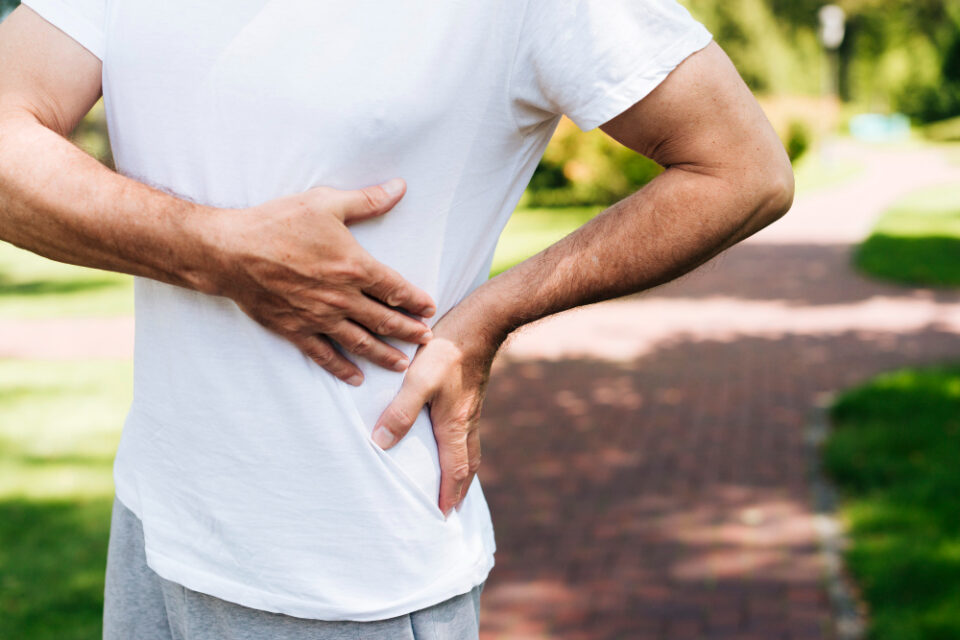
A man stumbles in, clutching his flank, his ID card still swinging from his neck. The clinic smells of Dettol and late monsoon. He doesn’t sit — kidney stones don’t allow such luxuries.
“Doctor,” he whispers, “it’s worse than heartbreak.”
I nod. Pain teaches anatomy faster than any textbook.
He’s a software engineer, proud of never missing a deadline. “Not even to drink water?” I ask. He looks offended. “Who has time for that?”
The scan glows back — three tiny stones, each smaller than a mustard seed, each carrying the weight of his schedule. The body, I’ve learned, keeps perfect time when the mind doesn’t.
A gym trainer comes next, muscles sculpted like a Greek statue, kidneys crumbling inside. “I drink eight protein shakes a day,” he says. “Water?” I ask. “Just a sip after workout.”
His abs are grateful; his kidneys, less so.
Then there’s the pious teacher who fasts for every Ekadashi. “I eat air and faith,” she smiles. Her ultrasound disagrees — faith has solidified in her right kidney. I tell her, gently, “Even devotion needs hydration.”
One man walks in, sipping cola. ‘Helps me stay awake,’ he says. I nod. ‘Yes — and keeps your stones from leaving.
Not every day, but often enough, a new stone rolls in — each carved from the same stubbornness. — engineers, gym buffs, saints, soda lovers — all turned into unwilling geologists. Every scan is a story of stillness turned solid.
Ayurveda calls it Ashmari — not disease, but crystallised disobedience. The kidneys are rivers, not filters. Block the flow with salt, speed, or suppression, and the current protests in silence, until silence becomes stone.
The cure isn’t only in Punarnava, Gokshura, Pashanabheda, or Varunadi Kwatha. It’s in softness — the willingness to flow, to forgive, to pause. Stones are not made in the kidneys first; they’re shaped in the mind that confuses motion with progress and thirst with weakness.
Once, a patient brought me the pebble he’d passed. “Should I keep it as a reminder?” he asked. I told him, “Only if you remember what hardened before it.”
He left the stone on my table. I keep it there still — a paperweight made of pain, proof that even what hurts can hold things steady.
Every week, I see men cry over stones smaller than mustard seeds. Pain humbles ambition faster than failure. Maybe that’s what nature teaches through the kidney:
Flow, or fossilise.
What we refuse to let flow — water, emotion, or time — hardens inside us. Stones are the body’s way of saying, “You’ve been holding on too long.”
I have written a book.
If this blog spoke to you, the book will stay with you longer.
