
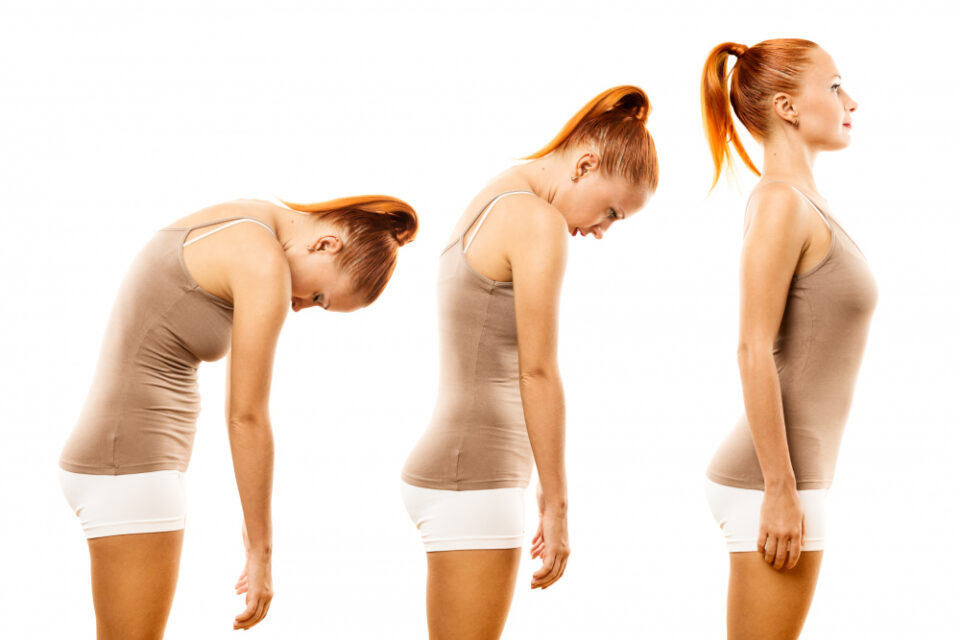
A man walked into my clinic with a dragging step, his body speaking before he did. The slight tilt of his hip, the uneven rhythm of his walk, the guarded way he placed his foot—together they told me a story of an old knee injury, a hip drawn into the struggle, and years of wear carried quietly. Posture is confession in motion; the body keeps talking even when the patient stays silent.
In medicine, gait is a living ECG. A limp whispers of arthritis, a shuffle warns of Parkinson’s, a hurried stride betrays anxiety. The way we walk is a headline our health writes daily. Ignore it, and you miss the news your body is trying to tell you.
A teenager once complained of back pain. His scans were clear, but his schoolbag was heavy enough to flatten a buffalo. I told his parents the bag needed treatment, not the boy. When we lightened his load, the pain vanished. Sometimes, the cure for pain is not found in a pill bottle, but in common sense.
A proud software engineer showed me his ergonomic chair worth a small fortune. Yet his neck was stiffer than a frozen pipe. The problem wasn’t the chair; it was sitting in it for ten straight hours. The best chair is still a prison if you never walk out of it.
Fashion extracts its own tax. A banker blamed her runs for her knee pain, but it was actually pencil heels that were the real culprits—years of wearing them had taken a toll on her joints more than any treadmill. High heels are like high-interest loans—glamorous at first, crippling in the long run.
Modern gadgets have given rise to modern postural epidemics. A 23-year-old arrived with headaches and stiff shoulders. His neck had bent permanently toward his phone, locked in digital prayer. I called it WhatsApp Neck. Once he lifted the phone to eye level, his pain eased. Phones are smart, but our spines are not designed to bow to them all day.
Even kitchens carry postural crimes. A homemaker came with aching shoulders, not because of arthritis but because her counter was too low. She bent daily to cook for her family. We raised the height with a simple wooden plank, and her pain melted away. Sometimes, carpentry is more healing than capsules.
Travel too leaves its stamp. One patient spent three hours a day on buses, jolting his spine in cramped seats. “Doctor,” he sighed, “curing my backache is easier than curing Bangalore traffic.” He was right. Posture may be personal, but chaos is communal.
Feet, those humble foundations, decide the fate of the palace above. An athlete with hip and knee pain turned out to have flat feet. Orthotic insoles restored his arches and his smile. The foot may be small, but it carries the weight of an empire.
Culture once trained us in posture. Our ancestors squatted to work, eat, and relieve themselves. Today, chairs and Western toilets have made life convenient, but joints rigid. I see village grandmothers squatting at eighty with ease, while urban professionals can’t bend at thirty. The body remembers its training, and modernity is rewriting it badly.
Barefoot walking is another lost habit. In temples and homes, we still remove footwear as a ritual. But it is also therapy. Walking barefoot on stone or grass stimulates nerves, strengthens arches, and calms the mind. Science calls it earthing. Our elders just called it living.
Posture is not only physical; it is emotional. A tall boy slouched for years to hide his height from teasing classmates. By adulthood, the slouch had hardened into his spine. Posture is biography—it records our insecurities as faithfully as our bones.
Yoga too demands alignment. A daily practitioner came with a worsening backache. The irony was sharp—he was doing his asanas wrong. A few corrections transformed yoga from torment into therapy. Even medicine works only in the correct dose; yoga is no different.
Ayurveda blames vata, the restless wind of the body, when posture and movement go awry. Modern science calls it biomechanics. One uses doshas, the other uses discs and ligaments, but both agree: disrespect posture, and pain will be your tax collector.
The trouble is, posture is invisible. People often obsess over sugar readings and cholesterol levels, but rarely consider how they sit, stand, or walk. Yet the body keeps its diary. Every slouch and stoop is an entry, and pain is simply interest accrued over years of poor posture.
But redemption is possible, and it begins with awareness. Sit with both feet grounded. Keep your phone at eye level. Stretch every thirty minutes. Walk in shoes that respect your arches—or better, walk barefoot on grass. Stand tall. Swing your arms. These are not tips; they are negotiations with gravity.
I often explain posture through metaphors. The spine is the temple pillar—bend it, and the shrine suffers. The feet are foundation stones—crack them, and the palace wobbles. The neck is a suspension bridge—overload it, and it collapses. Architecture doesn’t forgive shortcuts, and neither does anatomy.
Every day, I see these structures complain. Invisible burdens hunched the man, the woman whose shoulders paid fashion’s price. The student craning over his phone, ageing faster than his father. The truth is not hidden in scans but in silhouettes. You don’t just live in your body—you live through your posture.
If you want to check your health today, don’t scroll through your reports or step counts. Watch how you rise from a chair, how you carry a bag, how you walk down a street. Pain is often punctuation, correcting the grammar of your movement.
The body forgives minor errors, but posture never forgets. It keeps every receipt, and when the debt grows large, it demands repayment in pain. Until then, it whispers with every stiff neck, every limp, every stoop. Stand tall, walk straight, respect your gait. It is the autobiography you write every day—wordless, but unforgettable.
