
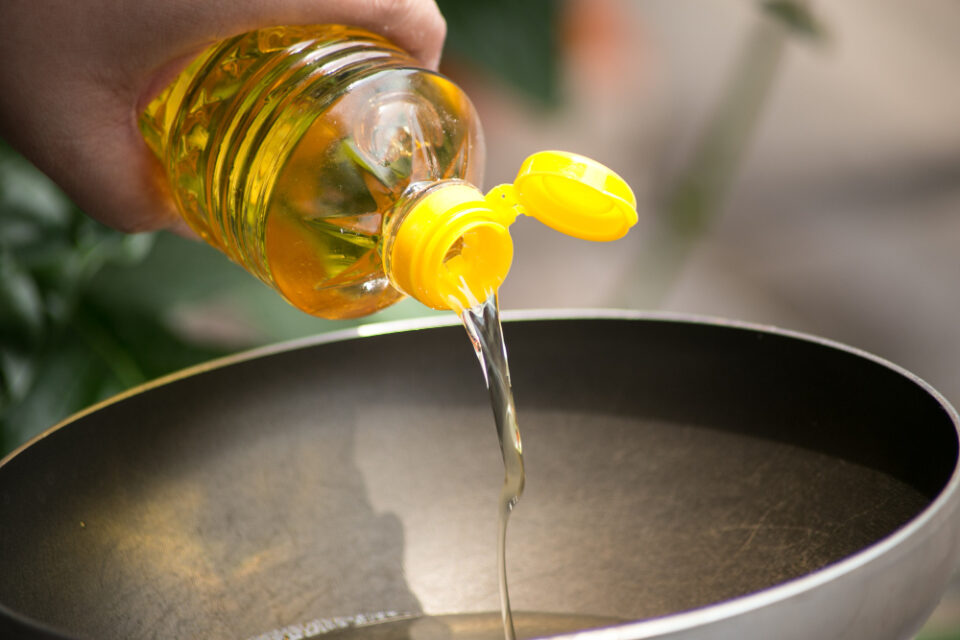
The war over cooking oils has moved from kitchens to newsfeeds. One week, sunflower oil is a “heart-healthy light oil.” The next is branded “toxic seed oil.” Instagram reels crown groundnut oil the secret to longevity, while YouTube gurus warn that one spoon can inflame your arteries. At my clinic, I recently met a young software engineer who had stopped eating his mother’s dosas because they were fried in sunflower oil. His parents feared malnutrition; he feared free radicals. Oil, once just a splash in the pan, has become a symbol of modern food anxiety. And anxiety, unlike oil, burns faster than any flame.
Walk through any traditional Indian market and you’ll notice how oil isn’t sold as just cooking fat—it’s sold as memory. The sesame oil stall smells like temple lamps, the coconut oil reminds you of summer vacations in coastal homes, and the ghee counter feels like a grandmother’s kitchen. Every bottle carries a story, and every household swears by its own elixir.
Ayurveda never treated oil as a neutral ingredient. It is called sneha—a word that also means love, warmth, and affection. Oils nourish tissues, lubricate joints, protect the skin, and calm the mind. Just as a drop of ghee softens a dry chapati into comfort, a little oil softens the friction of life. A body that is well-oiled, like a bond that is well-tended, moves through time with grace.
Patients often bring their oil arguments into my clinic like courtroom cases. A woman once dragged her husband into my chamber. “Doctor, tell him to stop buying rice bran oil,” she demanded. “He thinks it will make him run marathons at sixty. No one in our family ever ran, so why start now?” The husband defended himself with an article on cholesterol-lowering phytosterols. I told them what I often tell couples—both of you are right, and both of you are wrong. Oils are neither poison nor panacea; they are context-dependent. Too much clogs the system, too little parches it. Extremes, whether in diet or marriage, rarely end well.
Research, too, if we listen carefully, agrees. Highly refined oils, stripped of nutrients and deodorised for shelf life, can indeed generate harmful compounds when overheated. But cold-pressed oils, used in moderation, are not demons. Sunflower, safflower, mustard, sesame, groundnut—all have their place if sourced well and rotated sensibly. The real problem is not the seed but the system: industrial refining, plastic packaging, and blind marketing. Ayurveda, long before antioxidants became fashionable, advised using oils suited to the climate and individual constitution. Coconut in Karwar’s humidity, mustard in the chill of Punjab, sesame in Tamil Nadu—all are geography’s logic disguised as tradition. Our grandmothers didn’t need randomised controlled trials to know what kept families well-fed. A kitchen led by television jingles is like a temple run by accountants—it misses the spirit.
In fact, researchers at the University of Minnesota once heated common seed oils to frying temperatures and found that they released aldehydes linked to oxidative stress. The study didn’t say oils were villains, only that we shouldn’t burn them beyond recognition. Fire is meant to cook food, not your arteries.
One patient with chronic joint pain came to me after exhausting painkillers. His kitchen staple was refined sunflower oil. I suggested a switch to cold-pressed sesame oil, alongside Ayurvedic therapy. Within three months, his stiffness had reduced remarkably. Was sesame oil alone responsible? Not entirely. But it tipped the balance. Oils don’t just grease joints; they alter the subtle chemistry of inflammation. Every spoonful is like a telegram to your cells—some oils whisper peace, others incite quarrels. The tongue may not notice the difference, but the joints often do.
Modern biology echoes this metaphor. A 2020 review in Nutrients showed that omega-6 heavy oils can tilt the body toward inflammation, while omega-3-rich oils can calm it down. In other words, your dal tadka is not just flavour—it’s diplomacy at the cellular United Nations.
The fear of oils has created absurd rituals. A software professional once confessed that he sprays oil onto his dosas with a measured bottle, counting each puff. “Doctor, only 0.5 ml per dose,” he said proudly, “I checked with a syringe.” I told him, “Food is not mathematics.” Ayurveda calls ghee the best carrier of intelligence—it sharpens memory, strengthens digestion, nourishes the subtle essence called ojas. To eat with fear is more toxic than to eat with fat. The body can digest oil; it struggles to digest anxiety. A dosa without oil is like a marriage without laughter—it may last, but joy leaks out.
Not everyone digests oils in the same way, and this is where Ayurveda adds nuance. A fiery pitta person may flare with mustard oil; a kapha-dominant body may clog with groundnut; a vata-prone frame may dry up without sesame or ghee. What suits one may harm another. Oil is personal. A tablespoon can be medicine or mischief depending on the body, the season, and the method. Balance, not brand, is the valid prescription. A spoon of oil at the right time is healing; a litre at the wrong time is harm.
Globally, too, the debate rages. Americans consume vast quantities of soybean oil, fueling concerns about an imbalance in omega-6 to omega-3 fatty acids. Italians defend olive oil as a pillar of the Mediterranean diet, citing studies that link it with heart health. In Bengal, mustard oil was once banned by regulation, only to be revived by popular revolt. Every culture has its own oil wars, but the typical lesson is that oil is as much a cultural as a nutritional resource. The danger begins when marketing replaces memory. A grandmother’s ladle has more wisdom than a hundred glossy ads.
A long-term study published in the New England Journal of Medicine followed thousands of Spaniards and found that those on a Mediterranean diet rich in olive oil experienced fewer heart attacks and strokes. The olive didn’t become holy overnight; it earned its halo over centuries of both kitchen practice and clinical proof. Tradition, when lucky, gets a nod from science.
India too is an oil atlas. Kerala: coconut rules kitchens. Bengal: mustard oil dominates. Tamil Nadu: sesame seeds reign. Gujarat: groundnut oil simmers. Punjab: mustard adds fire. Andhra: peanut and sesame. Maharashtra: groundnut takes the lead. Karnataka: coconut and groundnut. Rajasthan: mustard keeps warm. Each state’s oil is a climate story bottled in tradition.
For my patients who feel overwhelmed, I offer this simple advice: keep two or three oils in your kitchen, rotate them, and respect local traditions. In South India, sesame and coconut make sense; in the North, mustard and ghee; in the West, groundnut. Always keep ghee at home—not as a luxury, but as medicine. Yet Ayurveda reminds us that even ghee works only in moderation. Too much of it, like too much wisdom, can clog the system.
Cooking is both chemistry and art, and oils are its paintbrush. One practical tip is to cook with one oil and finish with another. Fry vegetables lightly in sesame, then drizzle a drop of coconut. Temper the dal in groundnut oil, then crown it with ghee. When oils dance in harmony, they feed not just the body but the senses. Indian kitchens perfected this choreography long before nutritionists published papers. Recipes are nothing but science sung as poetry.
It amuses me that the same people who pop samosas in restaurants, lick golgappa water off their wrists, and demolish Kurkure without blinking, suddenly become oil philosophers at home. After 25 years of seeing patients, I can say oils aren’t angels or devils—they’re just the supporting cast, not the main drama. A spoon can heal, a bottle can harm. Ghee stores memory, sesame steadies, mustard sparks, coconut cools. The real question is never about the oil; it’s about us—do we eat with fear or with faith? Oils only expose our contradictions. Balance, not brand, is what keeps us supple. Too much of anything—whether fear, fries, or flaxseed—will only make us brittle.
