
Paneer can fall into cream, travel with butter naan, arrive after 10 p.m. and still introduce itself as “protein”. We believe it. It is white, vegetarian and cubed—the geometry looks disciplined. At weddings, it appears in six disguises while the salad stands nearby like a candidate who lost his deposit. Is your paneer habit putting your health at risk? The answer is hiding in the gravy.
A 35-year-old software engineer came to me with rising weight, triglycerides and LDL cholesterol. “But, Doctor, I am vegetarian,” he protested. His breakfast, office lunch and restaurant dinner all contained paneer—the last swimming in sauce thick enough to repair a pothole. Sundays meant paneer tikka because “one day I keep it light”. He had gained seven kilos. Paneer had not attacked him; he had given it permanent employment.
Real paneer is useful: rich in good-quality protein, calcium and other nutrients. Depending on its preparation, 100 grams commonly gives around 18–20 grams of protein—valuable in a vegetarian diet where protein is often invited but never reaches the function. It supports muscle, bones and satiety. Replacing paneer with toast, biscuits or “multigrain” namkeen is not progress. That merely changes the criminal’s shirt.
Paneer is concentrated milk, so nutrition and calories arrive together. A 200-gram serving provides impressive protein, but full-fat paneer can also bring roughly 500–600 calories before oil, cream or butter. Then come two naans, because the stomach apparently respects package deals. Paneer is not junk food; it is dense food. Dense food demands respect for quantity.
Daily large portions can push up calories and saturated fat, particularly in someone sedentary, overweight or living with high LDL, diabetes or fatty liver. Saturated fat can raise LDL, although responses vary. Your artery will not ache after cube four and issue a receipt. The bill arrives later through the weighing scale and blood report—both brutally honest and completely unsympathetic.
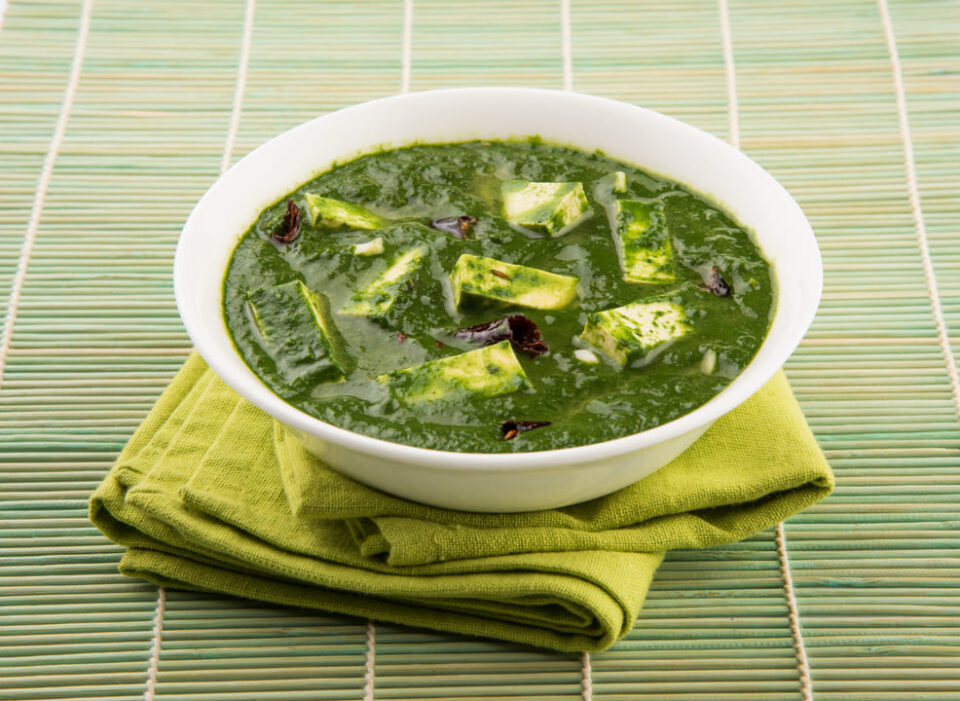
Examine the crime scene, not merely the cube. Vegetable paneer bhurji is not shahi paneer floating under cream beside butter naan. Grilling is not frying. A home portion is not a restaurant bucket wearing a copper bowl. Blaming paneer is like blaming the tomato for pizza: paneer provides protein; the gravy supplies the scandal. Nobody posts slow-motion reels of cashew paste entering an artery.
Ayurveda asks, “Good for whom, how much, prepared how and eaten when?” A dense milk product is guru—heavy to digest—and brimhana, nourishing and building. The same heaviness that helps an active, underweight person may burden a sedentary adult with sluggish digestion and late dinners. A woollen blanket is wonderful in winter. Carrying it through Bengaluru traffic in May is devotion, not wisdom.
Your agni—digestive capacity—decides what follows. If paneer repeatedly leaves you bloated, belching, sleepy or without morning hunger, your body has written its review. Do not reply with five stars because an app praised the protein. Reduce the portion, simplify it and eat it earlier. Lactose tolerance varies; milk-protein allergy needs medical guidance. The abdomen is an old physician. It avoids Instagram but notices everything.
Then comes the thriller twist: sometimes paneer is not paneer. Dairy analogues may use vegetable fat and other ingredients to imitate dairy. FSSAI says cheese analogue cannot be deceptively sold as “paneer”. The concern is fraud, altered nutrition, questionable handling and paying for milk protein while receiving starch and cheaper fat. The cube looks innocent. So did every respectable villain before the interval.
Buy from a reliable source. Check ingredients, FSSAI licence details, refrigeration and use-by date. Distrust miraculous prices; milk has not developed charitable feelings. Paneer should smell mildly milky, never sour, rancid or slimy. Iodine turning blue-black may indicate starch, but no viral test certifies authenticity or safety. If seriously doubtful, discard it and report the seller. Do not become a forensic laboratory before breakfast.
No sacred portion suits everyone, but 50–100 grams in a meal may suit many healthy adults within a balanced diet. An athlete, an underweight elder and someone with kidney disease need different advice. Rotate dal, chana, rajma, curd, tofu, nuts, seeds and eggs, if eaten. Paneer is an excellent player. Trouble begins when it becomes captain, wicketkeeper, commentator and the man selling peanuts outside.
Is your paneer habit risky? It can be—when portions are enormous, gravy is richer than the diner, dinner arrives at midnight, movement is missing, digestion protests, or the cube is an impostor. Genuine paneer, sensibly eaten, deserves its place. The danger is paneer multiplied by excess and protected by a “high-protein” halo. We kept questioning whether paneer was healthy. Meanwhile, the habit ate the evidence.
