
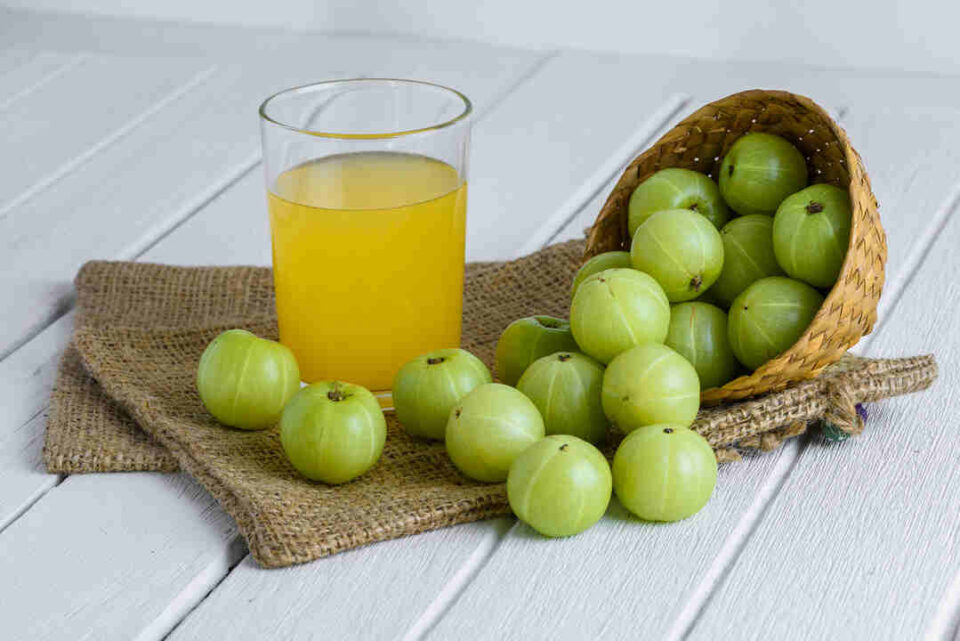
A patient once entered my clinic carrying an empty one-litre bottle of amla juice like Exhibit A in a criminal trial. “Doctor, I finished the whole bottle. Why is my hair still falling?” she asked. She had consumed it faithfully for three weeks. Three weeks! We now expect a fruit to correct in twenty-one days what stress, anaemia, poor sleep and genetics have been patiently arranging for ten years.
Her name was Mrs Kapoor, a 45-year-old woman who had moved from Delhi to Bengaluru. She had hair fall, frequent colds, constipation and the kind of tiredness that makes even folding clothes look like an infrastructure project. A neighbour had recommended amla juice every morning. The neighbour had excellent hair, which is how most medical evidence travels through Indian apartment complexes.
Before prescribing another bottle, I checked her diet, sleep, thyroid function, haemoglobin and menstrual history. Her haemoglobin was low, meals were irregular, and bedtime depended on when her phone became tired. Amla could help her diet, I explained, but it could not donate iron, switch off Instagram or negotiate with hormones. We corrected the deficiencies and retained amla juice because she enjoyed it.
During the first fortnight, she noticed something unglamorous but useful: her bowels moved more regularly. Some people experience this because amla’s sour taste and plant compounds may stimulate digestion. A few people develop acidity, nausea or loose stools. The stomach is an honest reviewer; unlike influencers, it rarely accepts free products.
By the third month, Mrs Kapoor felt more energetic and was falling ill less frequently. Was amla solely responsible? No. She was eating breakfast, treating her anaemia, walking regularly and sleeping earlier. Health rarely arrives riding one heroic ingredient. It usually comes as a committee, with diet, sleep, movement and treatment doing the paperwork.
Amla, known in Ayurveda as Āmalakī, deserves respect nevertheless. Classical physicians classified it as a rasāyana—something that supports nourishment, resilience and healthy ageing. Here is the delightful Ayurvedic surprise: amla expresses five of the six tastes, lacking only salt. Sourness enters first, but sweetness, bitterness, pungency and astringency quietly follow. Few fruits contain such a crowded consultation.
Ayurveda considers amla unusual because, despite its dominant sour taste, it is cooling rather than heating. This helps explain its traditional use in pitta-related complaints involving heat, burning and inflammation. But “cooling” does not mean everyone with acidity should gulp concentrated juice before sunrise. Dose, digestion, season and individual tolerance matter. Ayurveda has always been more intelligent than universal WhatsApp prescriptions.
Modern science is interested in amla for its vitamin C, tannins and polyphenols. A 2023 systematic review and meta-analysis found that amla supplementation may improve total cholesterol, LDL cholesterol, triglycerides and certain glucose-related markers. Encouraging, certainly—but the studies were relatively short and used different preparations and doses. Most did not examine supermarket amla juice taken daily for one full year. Systematic review
That distinction matters. Fresh fruit, pulp, powder, concentrated extract and bottled juice are relatives, not identical twins. Some commercial juices contain added sugar, flavours, preservatives or remarkably little amla. Read the label. If sugar appears near the beginning, you may be drinking a soft drink wearing an Ayurvedic moustache.
Will daily amla juice improve your hair? It may support general nutrition and provide antioxidants, but it cannot reverse every kind of hair loss. Iron deficiency, thyroid disorders, polycystic ovarian syndrome, menopause, illness, crash dieting and hereditary baldness require proper evaluation. Hair follicles are hardworking employees; before blaming them, check whether management has supplied protein, iron and sleep.
Your skin may look healthier over several months because vitamin C participates in collagen formation and antioxidant protection. But amla cannot replace protein, hydration, sun protection or treatment for acne and pigmentation. It can join your skincare team. Please do not appoint it chairman, dermatologist and brand ambassador.
Amla juice may support blood sugar and cholesterol control, but it is not a substitute for prescribed medicines. People taking diabetes medication should monitor their readings because combining several glucose-lowering measures may occasionally produce unwanted dips. Those taking blood thinners, living with significant kidney or liver disease, preparing for surgery, or experiencing persistent gastric irritation should consult their doctor.
How much should you drink? For most healthy adults, 15–30 ml of unsweetened juice diluted in water is a sensible practical range, although concentration varies between brands. Begin with less. There is no medal for reaching 50 ml. More amla may not produce more immunity, but it may mean more time spent locating the nearest washroom.
And the famous empty-stomach rule? There is no convincing evidence that amla becomes nutritionally unemployed after breakfast. If you tolerate it well in the morning, take it then. If it causes burning or nausea, have it after food. Consistency matters more than ceremony. The sun need not witness every healthy decision.
After one year, Mrs Kapoor’s hair fall had reduced, her haemoglobin had improved, her digestion was steadier, and her energy had returned. Amla played a supporting role—not the hero, not the villain, and certainly not the entire cast. That may be its most honest benefit. Taken sensibly, amla juice can become one small daily vote for better health. But no fruit can rescue a life that votes against itself at every other meal.
