
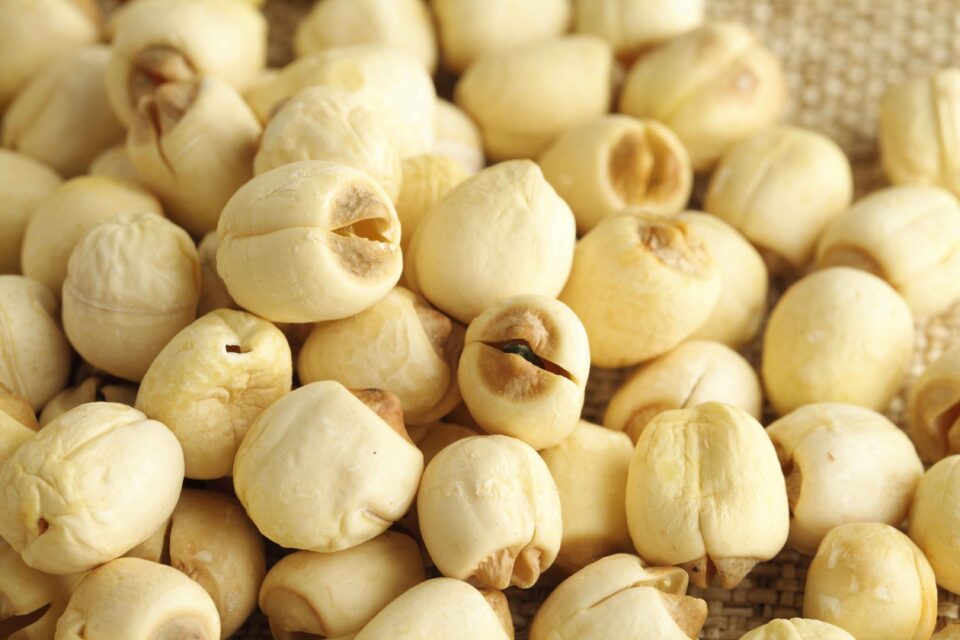
A patient once entered my clinic with a two-kilo packet of makhana and the confidence of a man who had already defeated obesity. “Doctor, I have stopped chips,” he announced. “Now I eat only makhana.” How much? “One large bowl after dinner. Roasted in ghee. Sometimes two.” The chips had left the house. Their calories had appointed a new manager.
Makhana is having its celebrity moment. It appears in gym bags, fasting menus, airport shops and Instagram reels where one innocent white puff is expected to burn fat, control diabetes, repair the heart and perhaps settle a family dispute. It is certainly a useful food. But no snack, however photogenic, has been granted so many government departments.
Let us first correct a common botanical mistake. The makhana sold in India is not the seed of the familiar lotus, Nelumbo nucifera. It comes mainly from Euryale ferox, an aquatic plant of the water-lily family, and is also called fox nut or gorgon nut. Calling it a lotus seed is convenient, popular, and not quite accurate.
Its journey to your snack bowl is far less effortless than its weight suggests. The hard seeds are collected from water, cleaned, graded, heated, tempered and then popped by skilled workers. Each pearl-white puff hides considerable labour. Makhana looks like it has done nothing all day; in reality, several people have worked hard to make it look unemployed.
Bihar is the heartland of Indian makhana cultivation, particularly its northern districts. The crop grows in ponds, wetlands and increasingly in shallow agricultural fields. It is an old regional food that the wellness industry recently “discovered,” rather like a teenager discovering that his grandmother had been right since 1964.
Why does makhana help with weight control? Not because it melts abdominal fat while you sleep. Its real advantage is substitution. Plain roasted makhana can replace fried namkeen, biscuits or chips and provide plenty of crunch for comparatively little fat. Weight loss often begins not with a miracle food but with a less damaging answer to 5 p.m.
Portion size, however, decides the result. A sensible serving is roughly 20–30 grams, usually a small bowl rather than the steel vessel used for serving biryani at weddings. Makhana is light by volume, so a bowl looks generous. Keep refilling it and arithmetic quietly returns. Healthy food has calories too; they simply arrive wearing better public relations.
Makhana is largely carbohydrate, with modest protein, very little natural fat and some minerals. The exact figures vary with variety and processing. It is not a protein powerhouse comparable with pulses, eggs, paneer or soy, and it is not especially rich in fibre compared with whole legumes or many seeds. Calling it “high-protein” because it contains some protein is like calling Bengaluru traffic a meditation retreat because the car occasionally stops.
Its ability to keep you full is therefore useful but not magical. The airy volume, dry crunch and time spent chewing may slow mindless eating. For better satiety, pair a measured portion with something genuinely protein-rich: roasted chana, unsweetened curd or a few nuts. The point is not to make makhana carry the entire nutritional family on its narrow shoulders.
Preparation can turn a sensible snack into dessert wearing yoga pants. Dry-roast it, or use one teaspoon of oil or ghee for several servings. Add jeera, pepper, turmeric, chilli, curry leaves or a restrained pinch of salt. Caramel, jaggery coating, cheese powder and generous ghee do not become slimming merely because makhana is standing underneath them.
For people with diabetes, plain makhana may fit into an overall meal plan, but “may fit” is not “eat without limit.” It contains starch and can raise blood glucose. Portion, preparation, the rest of the meal and the individual response matter. Anyone using glucose-lowering medicines should not replace treatment with a packet carrying green leaves and the word “ancient.”
The same honesty applies to the heart. Unsalted, lightly roasted makhana is a better everyday choice than deep-fried, salty mixtures. That improvement comes mainly from what it replaces and how it is prepared. Evidence does not permit us to promise that a daily handful will lower blood pressure, prevent a heart attack or “strengthen the heart.” Your cardiologist cannot be replaced by a bowl, however crunchy.
Laboratory studies on Euryale ferox have identified polyphenols and other bioactive compounds with antioxidant or anti-inflammatory activity. Interesting? Yes. Proof that roasted makhana reverses ageing, removes wrinkles or repairs every inflamed tissue in a human being? No. A test tube is a useful scientific tool, but it has never had wrinkles, diabetes or a mother-in-law.
Claims about sleep need similar restraint. Makhana is caffeine-free, so it is a calmer late-evening snack than tea, coffee or chocolate for some people. But convincing human trials showing that it treats insomnia are lacking. If your phone is beside the pillow, your mind is conducting three office meetings, and you sleep at 1.30 a.m., twelve fox nuts cannot perform night duty alone.
Traditional systems have valued makhana as food and as an ingredient in certain formulations, including those associated with nourishment and reproductive health. Tradition deserves respectful study, not exaggerated translation. Saying that a food supports nourishment is different from claiming that it cures erectile dysfunction, improves sperm counts, strengthens the uterus or prevents miscarriage. Those are medical problems requiring proper evaluation.
During fasting, makhana can be convenient because it is cereal-free, portable and easy to season according to the rules being followed. Yet a fast made entirely of repeated bowls of makhana is nutritionally lopsided. Add curd or milk if suitable, fruit, nuts and adequate water. Fasting is a discipline, not a competition to see how many beige carbohydrates one can eat while remaining technically religious.
It is naturally gluten-free, but packaged varieties deserve label-reading. Flavouring mixes may add sugar, excess sodium, dairy ingredients or substances processed in facilities handling wheat. Those with coeliac disease or severe allergy should check certification and cross-contamination warnings. “Natural” on the front is poetry; the ingredient list on the back is evidence.
Some people develop bloating or constipation when they eat large, dry portions, especially with little water. A rare allergy is also possible. Children and older adults should eat properly popped, crisp makhana in an age-appropriate form because hard or poorly popped pieces may be difficult to chew. A health food should not become a dental examination.
When buying it, look for crisp, evenly popped pieces without a rancid smell, dampness or excessive powder. Store it in an airtight container because humidity quickly converts crunch into regret. Roast only what you need, let it cool and then close the container. If it turns chewy, a brief dry roast may revive it; not every ageing problem requires an expensive intervention.
Finally, can makhana help you lose weight? Yes—if a measured, lightly roasted bowl replaces a more calorie-dense snack and the rest of your diet is sensible. No—if it is eaten endlessly, drowned in ghee or treated as compensation for an oversized dinner. Makhana is not a fat-burning superfood. Makhana will not make you thin. But when it replaces the snack that was making you fat, it has already done enough.

12 comments
Very informative. It is commonly used in Northern part of our country. In southern states I am not aware of localites using this as food or snack though lotus flowers are cultivated in plenty. This super food is now getting popularity in southern states too.
YES. It’s POPULAR NOW. THANK YOU
Thanks for updating about so many benifits of makhana’s . All I knew that it’s used in kheer preparations and my parents gave me along with dry fruits during winter season but I didn’t know this small fluffy popcorn looking makhana is a store house of nutrients.
An excellent article. We did not know the this makhana. Whenever I visited Himalayas, devotees visit Babaji and offer this seed as prasadam. And they make kheer out of it. It was delicious.
Really amazing you revealed it to South Indians! Quite famous in North India.
After reading your write-up, I bought it today. Really our traditional methods and items are great things for ever!
YES SIR. THANK YOU
Very informative.I had checked with grocery person on this fluffy (similar to puffed rice) item and was told Its Makhanas. Did not buy some as was not sure.After knowing the health benefits, planning to buy this on my next visit to Indian grocery store.
Thank you doctor!
THAT’S GREAT!
GIVE ME THE FEEDBACK
[…] diversity to your plate with a variety of seeds. Sunflower seeds, pumpkin seeds, lotus seeds, flax seeds, sesame seeds are some of the most nutritious seeds. Add these to your diet as you […]
[…] Also Read: Ayurvedic doctor answers which is the healthiest snack […]
Please advise the quantity to be taken daily
I’m really enjoying the design and layout of your blog. It’s a very easy on the eyes which makes it much more pleasant for me to come here and visit more often. Did you hire out a designer to create your theme? Exceptional work!
[…] Lotus seeds – The healthiest snack […]