
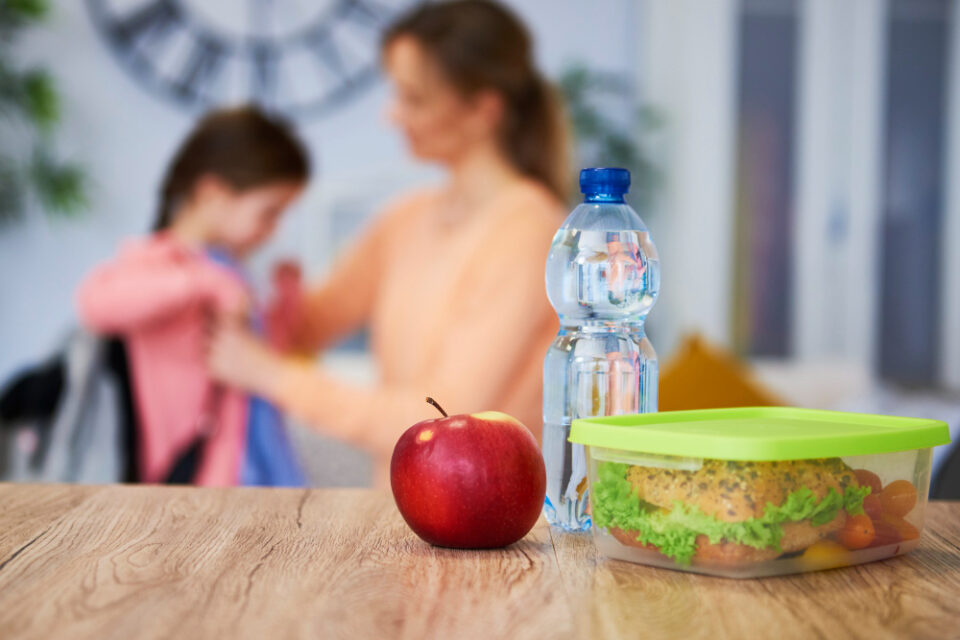
The lunchbox has always been more than a metal case with food inside—it’s a mirror. It reflects not only what a child eats but also what a family values, how a culture shifts, and how a society sells its snacks. And lately, that mirror is showing more chips and biscuits than rice, roti and sabzi.
One of my patients, Pavinder, a schoolteacher, told me how every day her class opens like a food court. One child unwraps a packet of chips, another two cream biscuits, and a third sips from a juice tetra pack. The lone child with chapati and dal looks embarrassed, as though real food is contraband. Once upon a time, a tiffin was pride; today, it’s peer pressure in stainless steel. Childhood lunches now measure belonging more than nutrition.
Parents try, but the struggle is real. A mother confessed that she wakes at dawn to make roti rolls, only to find them untouched. Her son raids biscuits and cakes at home and says, “Nobody eats roti in school, Amma, only noodles.” Peer pressure has evolved: once focused on sneakers, it is now centred on snacks. And children who reject wheat as roti happily chew it as a cookie. A lunchbox is never just about hunger; it’s a passport into the tribe.
Research explains why. Junk food fires the brain’s reward system much like a casino. Food companies are aware of this and engineer snacks that keep kids hooked. Ayurveda, centuries before neuroscience, called them rajasic and tamasic—foods that excite or dull but never steady. I see the fallout daily: children with poor digestion, colds, irritability, or lack of focus. A lunch should calm the mind for learning, not turn it into a restless monkey.
But the real villain may be time. Parents rush out early, juggling office deadlines and caregiving, and the lunchbox often suffers as a result. In the old joint families, grandmothers had an art—packing curd rice dotted with pomegranate, lemon rice tinted golden with turmeric, tamarind rice with a tangy punch, laddus with jaggery, or a fistful of roasted chana. These were colourful, nourishing, and cheap, yet always carried the fragrance of care. Today, many boxes contain cereal bars with corn syrup, factory-made muffins, processed cheese slices, or a packet of biscuits—all marketed as healthy but often lacking substance. When time becomes the rarest ingredient, health is always the first casualty.
I never carried a lunchbox myself. Growing up, I was always close to home or eating at the hostel mess, so the dabba skipped me altogether. But I watched the drama unfold years later when my wife began packing lunches for our son. It was never just cooking—it was counselling, sometimes even marketing. She would pitch a paratha roll like an advertisement: “Look, it has paneer, it will make you strong like a cricketer.” Or she would tuck in a sweet lemon rice and whisper, “It tastes better than what your friends bring, try it first.” Watching her, I realised that half the work of feeding children is not in the kitchen but in convincing them to eat. Parents don’t just pack food, they pack stories, strategies, and silent prayers. The lunchbox is less about recipes and more about persuasion.
India’s cultural diversity once echoed in lunchboxes: thepla in Gujarat, puttu in Kerala, luchi in Bengal. Now, globalisation has flattened the menu. A packet of chips looks the same from Srinagar to Shivamogga. What was once a quilt of flavours has been replaced by a billboard of brands. Every time a mother swaps millet for a multinational snack, a small piece of food heritage disappears.
One father told me, “Doctor, my son says upma smells too local. Can I make it smell like pizza?” Another mother whispered that she hides vegetables in noodles and feels like a spy. I didn’t discourage her. In today’s times, even sneaky nutrition is a win. When real food must wear the mask of junk, you know the battlefield has changed.
Solutions need not be complicated. Solutions need not be complex—our kitchens already hold treasures like paratha rolls stuffed with paneer or aloo, soft idlis with chutney, masala dosa, fluffy upma, lemon rice, tamarind rice, or curd rice, each offering both nourishment and comfort. Add a fistful of roasted peanuts, a homemade jaggery laddu, or even a cup of spiced boiled corn, and the lunchbox becomes a small festival instead of a compromise.
If your child insists on noodles, consider making wheat noodles with vegetables at home. Ayurveda teaches adaptability: food must be fresh, seasonal, and balanced, but it must also be accepted. Love, I tell parents, is the invisible spice. Even the humblest lunch tastes heroic if packed with care.
Schools can help too: set a simple lunchbox code—home-cooked over packaged, water over sugary drinks, and one fruit or a handful of nuts as a daily default, backed by canteen limits and a five-minute monthly “food talk.” Teachers can reward students with real food and praise, or house points, and PTAs can share quick recipes so busy parents aren’t left stranded. When health becomes the cool kid, the lunchbox stops selling brands and starts teaching values.
At its heart, food is not just calories—it is care, culture, and memory. A school lunchbox is the first daily lesson in health and belonging. What we allow into it shapes not only children’s digestion but also their identity. Pavinder was right: the classroom has become a food court, and every lunchbox tells a tale. Some tell stories of nourishment, while others tell stories of neglect.
The choice is ours. Pack health, or pack hype. Because in the long run, the cost of junk is always higher than the effort of cooking. A lunchbox may be small, but its lessons are lifelong. And perhaps the simplest wisdom is this: what goes into a child’s dabba today decides what goes into a doctor’s prescription tomorrow.

2 comments
Making a Upma smell like Pizza is the goal. It’s about time MTR comes up with some innovation.
Haha, true! Maybe the day upma starts smelling like pizza, even children will start calling it “Upmargherita.”