
A young man once slumped into my clinic, his eyes drooping, his tie loosened, his voice weary. “Doctor,” he sighed, “I need something instant. I don’t have patience for slow medicines.” His phone buzzed with reminders, his mind was already in another meeting, his energy gone, though it was only Tuesday. I smiled and said, “Ayurveda does have instant medicines. Not everything is slow like a bullock cart. Some things work faster than your espresso.” His eyebrows shot up. He expected me to prescribe a month-long regimen of herbs and oils. Instead, I told him about Sadyo Rasayana—instant rejuvenators that Ayurveda described centuries before Red Bull promised you wings.
People often imagine rasayana therapy as a long retreat—kutipraveshika—where you hide in a special hut, follow a strict diet, meditate, and slowly rebuild your tissues. That image is actual, but incomplete. The ancients were practical. They knew most people couldn’t leave jobs, farms, or families to live in huts. So they created Sadyo Rasayana—quick-acting tonics, foods, and herbs that worked in hours or days. Not for deep-seated diseases, but for instant strength, glow, and clarity. Ayurveda, after all, was not written only for sages; it was written for the householder who needed to milk cows at dawn, the singer who had to perform that evening, and the soldier who entered battle at sunrise.
I see this every day. Patients ask, “Doctor, why does Ayurveda take so long?” I tell them, not always. Chew a fresh amalaki and feel your digestion perk up before lunch. Take a spoon of ghee with warm milk at night and wake up with a calmer mind and brighter skin. Add tulsi leaves to your tea when you have a cough, and your throat will start to soothe within minutes. A lawyer with chronic fatigue once mocked my advice: “Doctor, you’re prescribing jam?” A month later, after his daily spoon of chyawanprash, he returned glowing. “Jam never made me feel this alive,” he laughed. Ayurveda does not always roar like a lion. Sometimes it hums like a bee, softly yet unmistakably.
The classics are filled with such gems. Charaka Samhita lists amalaki rasayana for quick vision and vitality, guduchi for instant relief in fever, yashtimadhu to clear the voice, and pippali to energise the lungs. Ashtanga Hridaya describes haritaki, combined with honey, ghee, or long pepper, each offering specific, quick benefits—digestion, immunity, or clarity. Sushruta recommends mandukaparni and shankhapushpi for memory and intellect—instant brain tonics. Even simple acts like oil pulling (gandusha), nasal drops (nasya), or pouring warm oil on the head were intended to refresh the senses immediately. To say Ayurveda is slow is like saying Indian food is bland—it depends on what you choose from the menu.
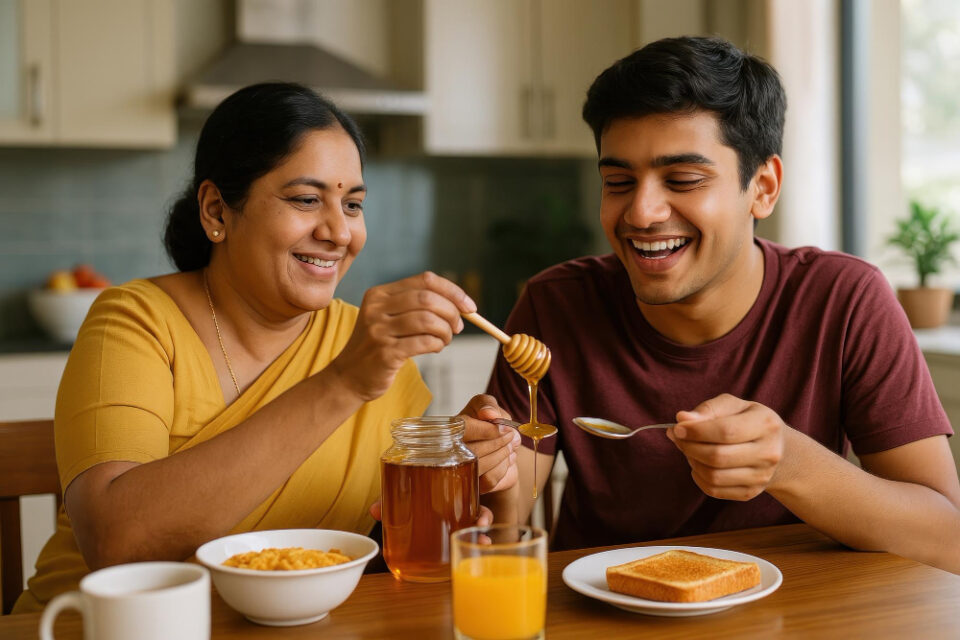
A singer once rushed in, voice hoarse, one day before a performance. I gave her Yashtimadhu churna. Within a day, her voice was clear enough to fill an auditorium. A wrestler in an akhara told me they used to eat bananas mashed with honey before bouts—a classic sadyo rasayana for strength. Grandmothers knew it too. When a child fainted from heat, honey was rubbed on his tongue. It wasn’t a placebo; it was glucose rushing into the blood. These are not exotic rituals. They are ordinary acts with extraordinary effects, hiding in plain sight.
Humour often helps explain. One gym-going youngster asked me, “Doctor, I take an energy drink before workouts and feel like Superman. Can Ayurveda do that?” I said, “Eat a ripe banana with honey before the gym.” He returned grinning: “Doctor, I felt like Hanuman carrying the mountain!” Energy drinks may glitter with labels, but Ayurveda’s sadyo rasayanas sit quietly in fruit baskets. Another patient once asked if I could prescribe something “stronger than his neighbour’s medicine,” as if health were an arm-wrestling contest. I reminded him: strength is not in the bottle, it is in your response. Ayurveda doesn’t just give medicine; it awakens the body’s memory.
Modern research quietly nods. Honey provides quick glucose for athletes; amalaki’s Vitamin C boosts iron absorption within minutes; ghee’s butyrate heals the gut lining and calms inflammation; turmeric in milk shows rapid anti-inflammatory effects when taken with fat. Tender coconut water instantly hydrates and balances electrolytes. Sports doctors now use gels and vitamin shots that mimic the benefits of Ayurveda in simpler, more palatable ways. Even the “golden latte” in Western cafés is just turmeric milk in a designer cup. Ayurveda wasn’t behind; it just didn’t market itself with hashtags.
Of course, not everything can be instant. Chronic diabetes, arthritis, or neurological disorders need long-term rasayana, patience, and discipline. Sadyo rasayanas are not magic bullets for deep disease. They are sparks—like striking a match. They light the system, remind it of vitality, and keep fatigue from overwhelming us. They are for everyday life, not extraordinary crises. Ayurveda always balances short-term relief with long-term repair. It was both the science of patience and the science of immediacy.
For today’s impatient world, the lesson is sharp. We live in a culture of two-second apps and instant noodles. If a pill doesn’t work in a day, we change doctors. Sadyo rasayanas demonstrate that Ayurveda recognised our desire for quick fixes—but it provided remedies that nourished rather than depleted. A latte wakes you up but leaves you jittery. A spoon of ghee steadies you and leaves you glowing. Ayurveda’s instant is not crash and burn; it is light and sustaining.
What can you try today? Chew a fresh amla in the morning for improved digestion and skin health. Drink warm ghee milk with turmeric at night for a restful sleep. Add Tulsi to your tea to help soothe a cough. Take a spoonful of chyawanprash before breakfast to boost your energy. Eat a banana with honey before exercise to increase your strength. Rub warm oil on your scalp for clarity after a long day. These are not rituals of the past; they are daily tools for living. You don’t need to believe me—try one, and you will feel it. That is the power of sadyo rasayana.
In the end, Sadyo Rasayana—also known as Vatatapika Rasayana(right in the middle of ordinary life, under “vata” (air) and “tapa” (sun) —reminds us that health is not confined to distant retreats or complex rituals, but is available in the immediacy of daily life. Amalaki, guduchi, yashtimadhu, pippali, haritaki, mandukaparni, shankhapushpi, kharjura, draksha, ghee, and milk—these were not exotic luxuries but household companions, prescribed for fevers, fatigue, weak voices, poor memory, or simple exhaustion. They were Ayurveda’s first aid kits, designed for moments when life demanded quick recovery. Modern science may refer to them as antioxidants, adaptogens, or electrolytes, but Ayurveda viewed them as sparks of ojas, instant reminders of the body’s forgotten strength. And perhaps that is the timeless gift of Sadyo Rasayana: the knowledge that vitality need not be postponed for months in a hut—it can return in a sip, a spoon, or a smile, the moment we align with nature’s simple wisdom.
I have written a book.
If this blog spoke to you, the book will stay with you longer.
