
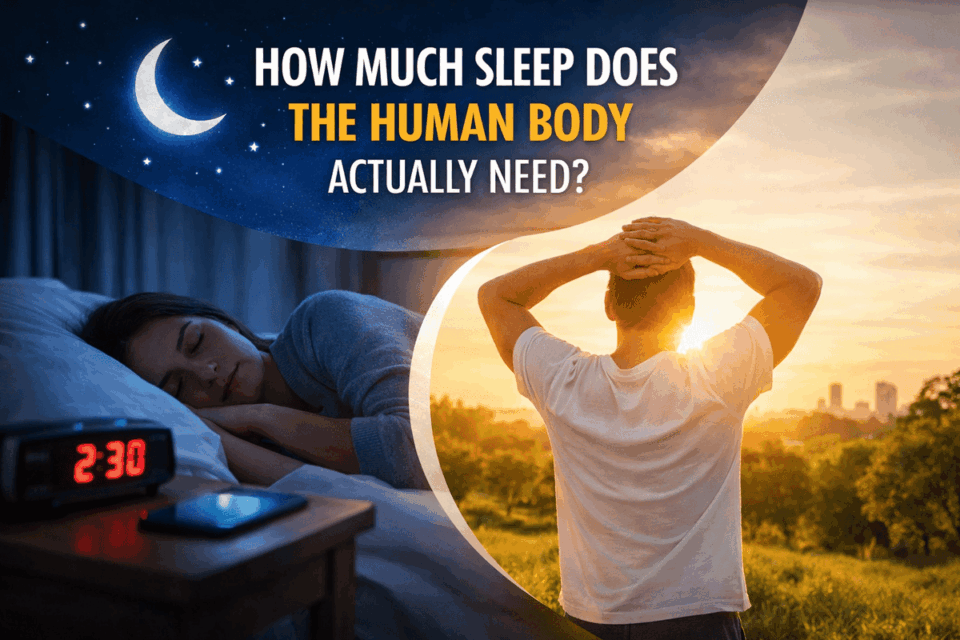
When it comes to sleep, peoplenever arrive empty-handed. Everyone brings a theory, a reason, and a confident explanation. Some sleep five hours and call it discipline. Some sleep ten and say the body is recovering. Many proudly announce, “Doctor, I don’t need much sleep,” and wait for appreciation, as if they have revealed a special talent.
Years in practice have taught me one thing. Sleep is the only health habit people defend before they are questioned. Nobody argues so passionately about vegetables or walking. Advice comes fully formed, borrowed from elders, colleagues, podcasts, or that one uncle who sleeps four hours and claims perfect health. The body listens without comment and keeps its own account.
In clinical practice, sleep rarely arrives as the complaint. An airport worker complains of forgetfulness. “Small things only,” he says, relieved that big memories remain intact. A young software engineer looks surprised by his own irritation. “I don’t know why I get angry for silly reasons.” A schoolteacher insists she sleeps well. “Ten to six daily,” she says, then adds quietly, “But I wake up tired.”
Nobody says, “Doctor, I don’t sleep.” They say everything else.
One man once told me, “Doctor, I sleep only four hours, but my mind is very active.” Another patient waiting nearby corrected him. “That is not active,” he said. “That is restless.”
The body does not lie about sleep. It reports later, usually when confidence remains high, and patience has worn thin.
Across countries and cultures, research now agrees on one steady truth. Most adults function best with seven to nine hours of regular sleep. Not perfect sleep. Not luxurious sleep. Just consistent sleep. People who chronically sleep less carry higher risks of diabetes, heart disease, stroke, depression, accidents, and early death. Ayurveda reached the same conclusion long before numbers entered the discussion. It placed sleep alongside food and conduct as pillars of health because bodies behaved that way.
What happens below or beyond that range unfolds gradually.
People who sleep very little often seem impressive at first. They speak quickly, work long hours, and sound confident. Over time, small cracks appear. Reaction time slows. Memory slips in awkward ways. I see this in night-shift workers who miss instructions they have followed for years, and in young founders who forget meetings they themselves scheduled. Research confirms what clinics observe. Attention and judgment suffer even when the person feels alert.
At six hours, many people manage, but the margin disappears. Teachers reread the same papers. Drivers describe near misses. Emotions rise faster. The nervous system keeps working, but without a stable base.
Between seven and eight hours, the system settles. Appetite becomes predictable. Mood steadies. Immunity improves. This is where sleep does its real work. Classical texts describe it as sleep that supports ojas, the reserve that protects against illness and emotional strain. Modern medicine describes the same outcome through hormones, the immune system, and brain recovery.
Some people genuinely need closer to nine hours. Adolescents, athletes, and those recovering from illness often fall into this category. Ayurveda never opposed longer sleep during recovery. It insisted on one test only: mornings should feel light.
Beyond nine or ten hours, the clinic grows curious. Long sleep does not harm in itself, but it often signals something beneath the surface. Depression, sleep apnea, low activity, thyroid imbalance, inflammation, or medication effects commonly sit here. Large studies show higher heart disease and mortality among people who sleep very long hours, not because sleep causes harm, but because it reflects bodies already struggling.
A retired utility worker once increased his sleep after retirement. “Now, no tension. Full rest,” he said proudly. Months later, he returned with heaviness, low mood, and stiff joints. We shortened his sleep, restored routine, morning walking, and regular meals. His health improved. Ayurveda warned against excessive sleep in sedentary lives for this reason. Too much rest can dull metabolism.
Very long sleep with daytime sleepiness deserves evaluation. Depression often hides here, not loudly, but as withdrawal and loss of interest. Sleep disorders do the same.
Timing matters. Seven hours from ten at night to five in the morning does not equal seven hours from two to nine. Late nights unsettle the system. Sleeping deeply into the morning increases heaviness. Ayurveda insisted on this long before circadian rhythms entered textbooks.
Regularity matters too. People who sleep different hours each day confuse the body. Even when average sleep looks adequate, irregular schedules carry higher risks. The body prefers rhythm over clever adjustments.
Daytime sleep has its place. Children, the elderly, the ill, and the exhausted benefit from it. For sedentary adults, regular daytime sleep often worsens digestion, and nighttime sleep is often disrupted. Ayurveda understood this as the body falling out of rhythm.
The most damaging modern belief is not that sleep is unimportant. It is that sleep is adjustable at will. The body allows shortcuts only for a short time.
In city apartments, lights glow past midnight. Phones rest beside pillows. News and reels fill the last waking minutes. People lie down tired and wake unrested. Ayurveda would not reach for pills first. It would restore daily order and protect the hours before midnight.
Sleep is not rest alone. It is repair and regulation.
Good sleep leaves no memory of the night. It leaves evidence in the day.
I have written a book.
If this blog spoke to you, the book will stay with you longer.

2 comments
Great article! Lots of insights.
thank you