
In the summer of 2002, the town of Bellary shimmered like a brass pot on the stove. I sat in the consulting room of Dr Eshwar Reddy, an Ayurvedic physician and renowned professor whose intellect could cut through illness faster than a scalpel. The room smelled of sandalwood, sweat, and old case-sheets. I was then a young chief editor at Ayurvedline, a doctor’s desk reference that had become a small revolution in Ayurvedic circles across India. I had come to interview him for our special issue on diabetes.
He didn’t look up from his notes when he said, almost to himself, “We Indians are not dying of hunger anymore. We’re dying of excess carbohydrates.” I wrote it down, not realising those words would ferment in my head for decades.
He was right. Our plates are love letters to glucose. Morning begins with idli or poha, noon with mounds of rice, evening with chapatis—each meal a hymn to starch. Between them arrive the endless teas, each with a spoon of sugar so generous it could fund a small factory. Ask any auntie about her diet and she’ll sigh, “Oh, nothing, just rice and sambar,” as if rice were holy water. In Ayurveda, ahara—food—is medicine. But when medicine turns into addiction, the tongue becomes the tyrant of the pancreas.
A retired schoolteacher once told me proudly, “Doctor, I eat very light—just rice water with salt.” His fasting sugar was 220. “And before that?” I asked. “Three bowls of rice.” We laughed, but the humour stung. White rice has a glycaemic index higher than ice cream. It’s the comfort food of a civilisation once trained by famine and now spoiled by abundance. We still eat as if tomorrow were a drought, but the body lives stubbornly in today.
Ayurveda named it long ago—Madhumeha, the honeyed urine disease of those who indulge and sit still. Charaka wrote that its root lies in kapha avruta vata—when sweetness smothers motion, when heaviness clogs vitality. Modern science calls it insulin resistance; the ancient seers just saw it sooner.
One young software engineer swaggered in with a smartwatch and a sugar reading of 160. “Doctor, I hit the gym three times a week.” “And then?” I asked. “Paratha, paneer, and mango shake.” His workout, I told him, was merely the blessing before the feast. You can’t outrun a buffet.
In the 1990s, our mothers were told to fear fat. They threw out ghee, embraced refined oils, and loaded up on grains. TV ads showed smiling families with “cholesterol-free” hearts. Two decades later, the result is a nation plagued by insulin resistance. We demonised fat, deified carbs, and forgot balance. Fat doesn’t make you fat; fake food does.
Dr Reddy once stirred his tea, no sugar. “One day,” he said, “every Indian family will have a diabetic—like we all have a pressure cooker.” He wasn’t exaggerating. Today, over a hundred million Indians live with diabetes, and many don’t even know it. The sweet epidemic crept in politely, disguised as love. You can’t refuse a neighbour’s halwa without injuring her heart. Sugar, in India, is emotional currency—it sweetens guilt and grief alike.
A patient’s daughter once brought me a box of rasgullas to thank me for weaning her father off insulin. “He’s cured!” she beamed. I smiled, took one, and later offered it to the watchman. Healing, I’ve learned, isn’t about martyrdom; it’s about mindfulness. Denial never cured desire. Transform it instead: if you crave sweet, eat fruit; if you crave crunch, chew roasted chana; if you crave reward, walk—it’s the cheapest dopamine.
Excess starch floods the body with insulin, forces it to store fat, and then tires the pancreas. Millets, pulses, and vegetables keep the rhythm steady. The body loves rhythm; it hates roller-coasters. Ayurveda calls that rhythm agni—the digestive fire. Feed it gently and it glows; overstuff it with starch and it smokes.
But balance isn’t just what we eat—it’s when. A man once boasted, “I eat only once a day!” That one meal, however, was a three-act tragedy—rice, noodles, and sweet curd. The pancreas doesn’t care about your discipline; it cares about your delusion. Ayurveda advises eating the main meal when the sun is at its highest. The body digests during the day; after sunset, metabolism slows. Eat with light, not with Netflix.
When I ask patients to cut rice, they look at me as if I’ve asked them to renounce marriage. Yet the moment they reduce it, switch to millets, add a bowl of vegetables, and walk after lunch, their sugar falls. Half of your plate should resemble a farm, not a factory. Replace refined oil with cold-pressed oils. Add fibre, protein, and a little ghee—the right fat is a friend, not a foe. Eat early. Chew slowly. And take one “grain-free day” each week—vegetables, soups, buttermilk, and lentils only. It resets the fire.
Movement matters too. You don’t need a treadmill; you need a life. Sweep, climb, plant, dance. A 30-minute walk after lunch can lower sugar more effectively than a tablet. The medicine is not in the pill; it’s in the pulse of your day.
When I phoned Dr Reddy years later to share my findings—patients improving simply by portioning rice, adding fibre, walking—he laughed. “The epidemic has begun,” he said, “but remember, the cure is still in the kitchen.” I’ve repeated that line at every lecture since.
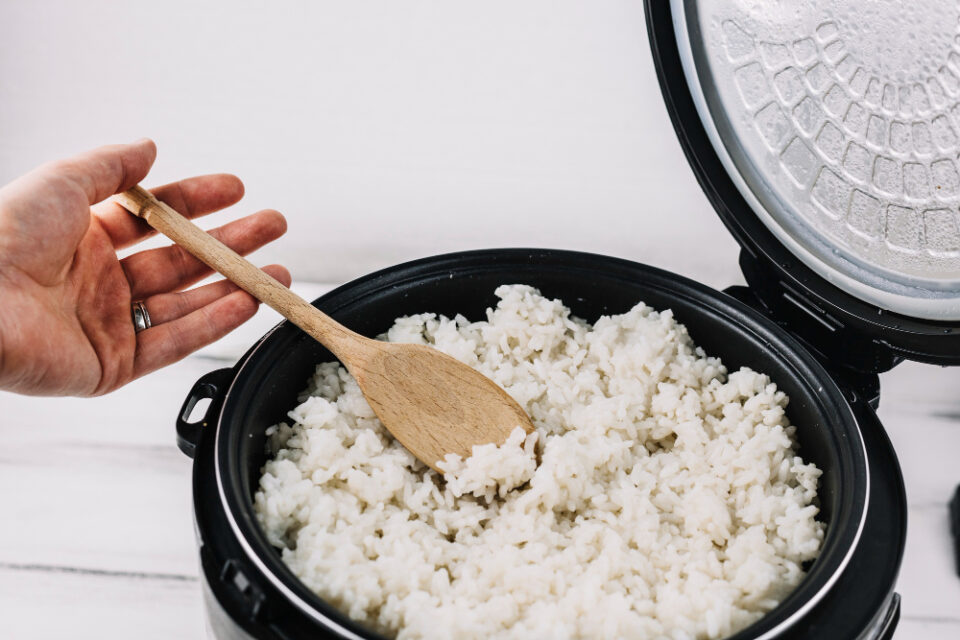
Today, I often see three generations of diabetics in one family—the same rice cooker, the same sugar tin, the same late dinners. Genetics plays a role, yes, but habits run deeper than genes. The good news? The body forgives faster than we expect. A month of mindful eating can undo a decade of neglect.
India’s diabetes story isn’t just a medical one; it’s also a cultural one. It tells of a people who conquered hunger but not habit, who traded famine for feasts. Yet the solution is simple: less white on the plate, more colour from the farm; less hurry at meals, more humility before the body.
When I think back to that afternoon in Bellary—the heat, the silence, the scent of sandalwood—I can almost hear Dr Reddy again: “We’re dying of excess carbohydrates.” If he were alive today, he might add, “And of excess denial.”
Health, like truth, is rarely a sweet thing. But once you taste it, you stop craving sugar.
I have written a book.
If this blog spoke to you, the book will stay with you longer.
