
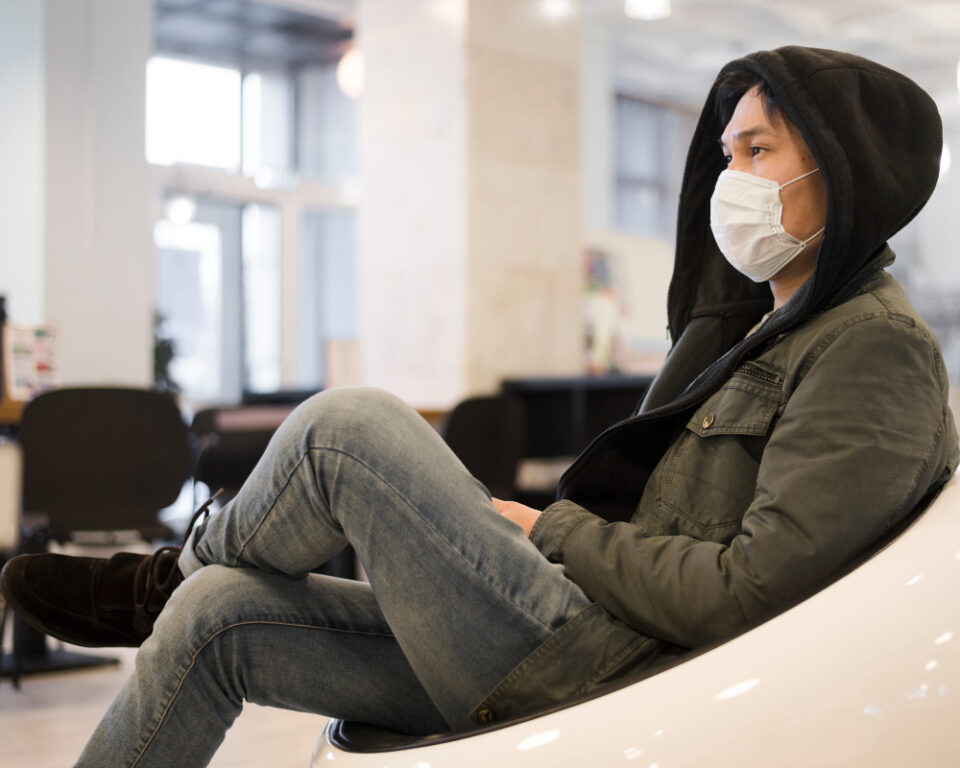
In Bangalore, winter is not a season. It is a performance.
The temperature dips to eighteen degrees, and the city behaves as if Switzerland has applied for permanent residency. Jackets appear overnight like emergency personnel. Scarves arrive with no clear assignment. Socks are worn once, ceremonially, and then vanish. People who have lived here for decades lower their voices and say, “This year is unusually cold,” as if the weather has begun holding grudges.
Patients enter my clinic dressed as if it were a precaution. One gentleman came zipped up to the chin, hood on, hands buried deep in pockets, eyes watering—not from illness, but from responsibility. He sat down, removed his jacket with reverence, folded it neatly like an important document, placed it beside him, and said, “Doctor, I have taken full protection.”
Under the jacket was a T-shirt so thin it appeared to be negotiating with the air. His feet were bare. His breakfast, it later emerged, had been coffee.
“Doctor,” he said, visibly offended “, I don’t understand. I am wearing a jacket.”
This sentence is Bangalore winter medicine in its entirety.
Every winter, OPD has a man like this. Let us call him Mr Raghavendra, because every clinic has one, and every clinic knows his face. Mr Raghavendra owns multiple jackets. One for a morning cold. One for evening cold. One for “sudden cold,” a concept he treats with deep seriousness. He believes jackets work the way insurance does: once purchased, you are covered.
“I never forget my jacket,” he tells me proudly.
“Do you forget breakfast?” I ask.
He looks confused. These seem unrelated.
Mr. Raghavendra believes the jacket compensates. Skipped meals? Jacket. Late nights? Jacket. No water? Jacket. He treats it like a spiritual object. If allowed, he would probably sleep wearing it and expect the body to forgive everything else by morning.
Last year, he leaned forward and said, accusingly, “Doctor, I even bought a new jacket.”
This was not information. This was evidence.
Winter OPD has a particular flavour. The complaints are familiar: body aches, heaviness, and a vague throat irritation, but the confidence is new. People speak as if illness has broken a contract. “I don’t understand why this is happening,” they say, offended. “I am taking care.”
By “taking care,” they usually mean visible things. Clothing. Steam. Hot drinks. The jacket becomes the hero of the story. Habits remain supporting characters, poorly paid and frequently absent.
No one boasts about sleeping on time. No neighbour admires consistent digestion. No relative compliments hydration. But a jacket—ah, a jacket announces intent. It says, “I am a responsible adult,” even when everything else suggests mild chaos.
Thus, winter produces a special strain of optimism: performative wellness.
People sit longer in front of screens because it’s “cold anyway.” They move less because mornings are “too chilly.” They drink less water because it “doesn’t feel right.” They eat heavier, sleep later, and then feel personally betrayed when the body responds with stiffness, fatigue, or a cough that sounds unimpressed by effort.
The jacket, of course, is innocent. It is doing exactly what it was designed to do: protect briefly, externally, without asking questions. It was never meant to replace rhythm. But we have promoted it far beyond its qualifications.
Indoors, the real damage occurs. Jackets are removed. Fans continue on muscle memory. Cold floors are negotiated barefoot. Dinners drift late because “winter nights feel longer.” Screens glow warmly until unreasonable hours. The body does not recognise seasons. It recognises inconsistency.
I would like to claim I am immune to this logic. I am not. Even doctors feel briefly virtuous in a jacket. For a moment, it feels as though one is doing something. Then the body reminds us that symbolism is not biology.
By the end of January, patients return—polite, puzzled, faintly offended. “Doctor, I am still not okay.” They say it as one would complain about a defective appliance. The jacket has failed them. The scarf tried. The socks made an honest attempt.
This is usually when I ask the question that collapses the entire performance.
“Tell me about your routine.”
There is always a pause.
Jackets are easy to discuss. Routines require confession.
Bangalore winter does not make people sick. It simply removes the buffering effect of warmth and exposes the quiet deals we have been making with ourselves. A mild cold is enough to reveal how thin our margins already were.
So yes—wear the jacket. Enjoy it. Bangalore winter is brief and deserves a little drama.
Just don’t expect it to heal what your habits have been politely postponing all year.
You can dress for the weather, but the body responds only to what is present every day.
I have written a book.
If this blog spoke to you, the book will stay with you longer.
