
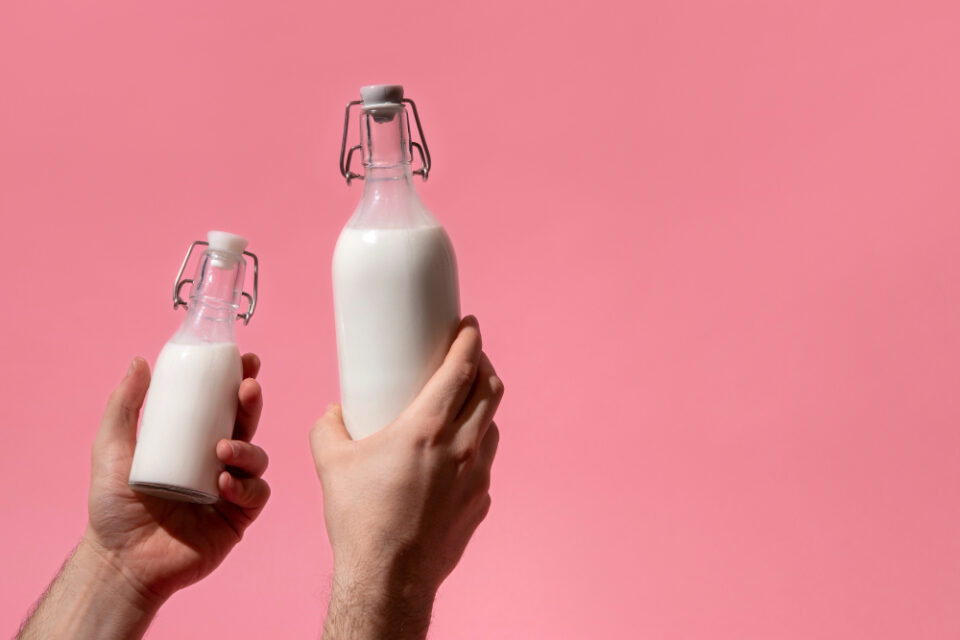
It’s not every day that a patient walks into my clinic and says, “Doctor, if I drink probiotic drinks every day, will I become like Shilpa Shetty?” I hadn’t even recovered from that when her mother, sitting beside her, asked with great seriousness, “Shall I drink Yakult too?” For a moment, I imagined the two of them walking down Church Street, radiating gut health and Bollywood glamour. Then I burst out laughing. Here they were, mother and daughter, convinced that the shortcut to a flat stomach, glowing skin, and eternal youth lay in a tiny plastic bottle. If only life worked like that.
We laughed, but the question was serious. Probiotic drinks are everywhere now. Grocery shelves are lined with them, pharmacies sell them, and social media influencers sip them between yoga poses. They promise everything—better digestion, immunity like a fortress, and a mood so good you’ll float through traffic jams. But I have learned in my decades of practice that nothing in health is ever that simple.
The human gut is more fascinating than any celebrity fitness plan. Imagine Bengaluru during rush hour—millions of people, honking, moving, working—only your intestines host a hundred trillion microorganisms, ten times more than your own body’s cells. In a healthy gut, it’s like a harmonious Indian joint family: the wise grandmother bacteria (Bifidobacterium) keeping everyone civil, the hardworking uncles (Lactobacillus) making sure the day runs smoothly, and a few rowdy cousins who need to be kept in check. Probiotics are like calling in reinforcements—inviting more helpful relatives to restore balance.
Certain strains have been shown to help with IBS, reduce antibiotic-related diarrhoea, and support immunity. Lactobacillus rhamnosus GG, for example, survives the acidic stomach better than a tourist survives a Karwar summer. But the part that fascinates me is the gut-brain axis—the two-way superhighway of nerves and chemicals connecting your belly and your brain. Nearly 90% of your serotonin—the happiness chemical—comes from the gut. So when someone says they have a “gut feeling,” they’re not just being poetic.
I once treated a software engineer living on instant noodles, energy drinks, and stress. His gut bacteria had essentially gone on strike. Along with targeted probiotics, I put him on fermented foods, better sleep, and pranayama. Six weeks later, his anxiety had dropped noticeably. Was it just the probiotics? No. They were part of an orchestra—diet, stress management, and rest played their parts too.
This is where I often remind people that in Ayurveda, gut health isn’t a new idea. The concept of Agni—the digestive fire—goes beyond breaking down food. It’s about transforming it into energy and vitality. Our traditional diet has always been probiotic-rich: fermented rice water (kanji), idli batter, homemade curd, and pickles. Your mother was running her probiotic research lab without knowing the word “microbiome.”
But now, instead of idlis and curd, many people are gulping expensive probiotic drinks while still eating processed food, sitting all day, and sleeping poorly. They expect miracles. I call it the “probiotic paradox.” If you plant premium seeds in toxic soil, forget to water them, and leave them in scorching sun. No seed will thrive in that.
One young mother came to me after months of digestive trouble. She’d tried every probiotic capsule, powder, and drink on the market. When I asked about her childhood diet, she smiled wistfully—fresh curd, fermented rice water, pickles. She had swapped all that for supermarket “health” products. We brought back her grandmother’s recipes alongside treatment, and in three months, she was better, spending far less money, and eating food that made her happy.
Then there’s timing. People obsess about whether to take probiotics in the morning or at night. Research suggests an empty stomach may help more bacteria survive, but honestly, consistency matters more than precision. And the issues of strain—Lactobacillus acidophilus may aid digestion, while Bifidobacterium longum may support immunity. Picking the right strain is like matchmaking: what works for your friend may do nothing for you.
There’s also the reality of side effects. Most people have a brief “welcome party” in the gut—some gas, a little bloating—before things settle. But those with very weak immunity or serious illness need caution. I recall a patient who developed multiple fungal patches just days after starting probiotic-prebiotic supplements. Correlation isn’t always causation, but it reminded me to warn people: even “good” bacteria can cause trouble in the wrong setting.
Antibiotics are another chapter. They wipe out good and bad bacteria alike. Taking probiotics right after an antibiotic pill is like trying to replant flowers while the bulldozer is still running. I usually advise waiting two hours between them.
And storage! Beneficial bacteria are delicate. If you keep them in heat long enough, they die faster than kulfi melts on a May afternoon. I’ve seen patients store probiotics next to the stove and then wonder why nothing changes.
Cost is worth discussing, too. One small probiotic drink can cost as much as the ingredients for a week’s worth of curd or kanji. For many, starting with traditional fermented foods and adding supplements only when necessary is the sensible route.
Research is now exploring probiotics for diabetes, heart health, and even weight management. Some strains may help regulate blood sugar or reduce inflammation. But results vary from person to person, and no probiotic will work if the rest of your lifestyle is a disaster.
Probiotics aren’t the lead actors; they’re the quirky sidekicks. The real star is still your everyday habits. Get those right, and even Shilpa Shetty might ask for your secret.
