
A glass of rose milk in a Bengaluru summer did not come with a disclaimer. It came cold, pink, and patient. At the bottom, tiny black seeds floated like punctuation marks in a sweet sentence. No one called them a superfood. No one photographed them against white marble. We drank, wiped our lips, and went back into the heat. That was sabja before marketing found it.
Today, the same seeds have graduated. They promise weight loss, detox, hormone balance, sugar control, and gut reset. They arrive in mason jars, gym bottles, influencer reels. Somewhere between falooda and hashtags, a humble seed became a solution.
In my clinic, sabja enters quietly but confidently. “Doctor, it reduces body heat, no?” one patient asks. Another says, “I am taking it daily for belly fat.” A third complains, “Since I started sabja, my stomach feels heavy.” The same seed, three different stories. That is usually where medicine begins.
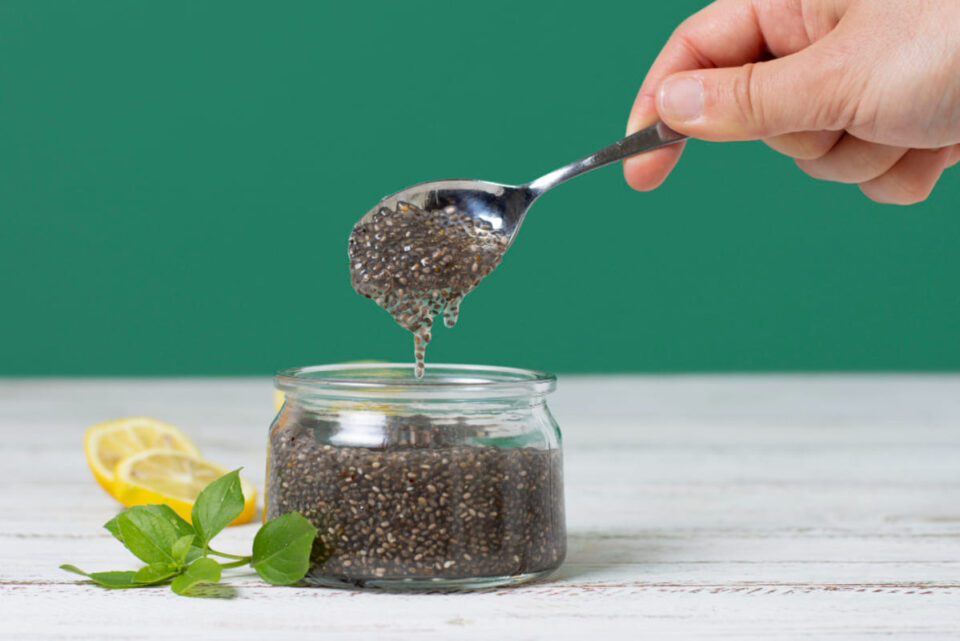
Sabja is the seed of sweet basil. When soaked in water, it swells and develops a gelatinous coating. That coating is not magic. It is mucilage. It absorbs water, expands, and forms a soft gel around the seed. When you drink it, that gel slows gastric emptying slightly. Food moves more gradually. Fullness lasts longer. The stomach feels lined. Glucose absorption may soften at the edges. It does not astonish; it aligns, and in medicine, alignment is often more transformative than surprise.
Where does it genuinely help? In mild acidity, the soothing layer can temporarily reduce irritation. Patients often describe a cooling sensation. But we must be honest. It does not heal chronic gastritis. It does not reverse years of erratic eating. It comforts. It does not cure.
In those who snack endlessly out of boredom, sabja sometimes works beautifully. A teaspoon soaked properly, taken mid-morning or early evening, expands in the stomach and reduces mindless nibbling. The person who eats because the mouth is restless may suddenly feel satisfied. The seed has not burned fat. It has an interrupted habit.
For mild constipation with dryness, the added bulk and lubrication can help. But in patients already bloated, especially those with sensitive intestines, the same mucilage can ferment and produce gas. I have seen both outcomes in the same week. Relief in one, distension in another. A seed does not choose sides. The gut does.
We love sabja not only for its physiological benefits but also for its ritual significance. Indian summers are unforgiving. Heat outside easily becomes “heat inside” in our imagination. We reach for buttermilk, tender coconut, and soaked seeds. Texture reassures us. The act of soaking, waiting, stirring, and sipping creates a small pause in the day. Stress drops. Acidity often follows stress more faithfully than it follows spice. When the mind cools, the stomach often agrees.
Modern digestive science gives us language for what tradition observed. Soluble fibre feeds gut bacteria. Fermentation produces short-chain fatty acids that can support intestinal health. But fermentation also produces gas. Those with irritable bowels know this intimately. A trend rarely mentions this duality. Social media loves certainty. The intestine does not.
In diabetes, sabja can modestly slow glucose absorption due to its gel-forming properties. But modest is the correct word. It cannot replace walking. It cannot neutralise sweets. It cannot negotiate with sedentary habits. I tell patients gently that no seed can outsmart a sedentary pancreas. The body does not reward what glitters; it rewards what repeats.
Why do such trends flourish? Because sabja is visible. You see it swell. You feel it thicken. Visible change creates psychological reassurance. We mistake expansion in a glass for transformation in the body. The body is less theatrical. It rewards consistency more than novelty.
There are also moments when caution is wiser than enthusiasm. In those with weak digestion, constant heaviness, or chronic bloating, daily sabja may aggravate discomfort. Children should never consume it dry; its tendency to swell requires proper soaking to avoid a choking risk. Those on thyroid medication must maintain a time gap, as fibre can interfere with absorption. The underweight patient with low appetite may find that sabja reduces the very hunger we are trying to encourage. Medicine is not a hymn sung for everyone; it is a note struck at the right moment, in the right body.
So, how should one use it? A small teaspoon, soaked in enough water for 20 to 30 minutes, is sufficient. It does not need to float in sugar syrup. It does not need to swim in condensed milk. Plain water or light buttermilk is enough. Mid-morning or early evening works better than immediately after a heavy meal. It need not be daily for everyone. Sometimes, three or four times a week is wiser than ritualistic devotion.
In Ayurveda, qualities matter more than fashion. A substance that is heavy, moist, and cooling must be balanced against a person who may already carry those qualities in excess. What soothes one constitution burdens another. The wisdom lies not in the seed but in the selection.
Sabja will thicken your drink. It may soften a symptom. But the intestine is not a stage for spectacle; it is an ecosystem negotiating with fibre, bacteria, hormones, and habit.
Use it with thought, and it becomes support. Use it for drama, and it becomes debris.
I have written a book.
If this blog spoke to you, the book will stay with you longer.
