
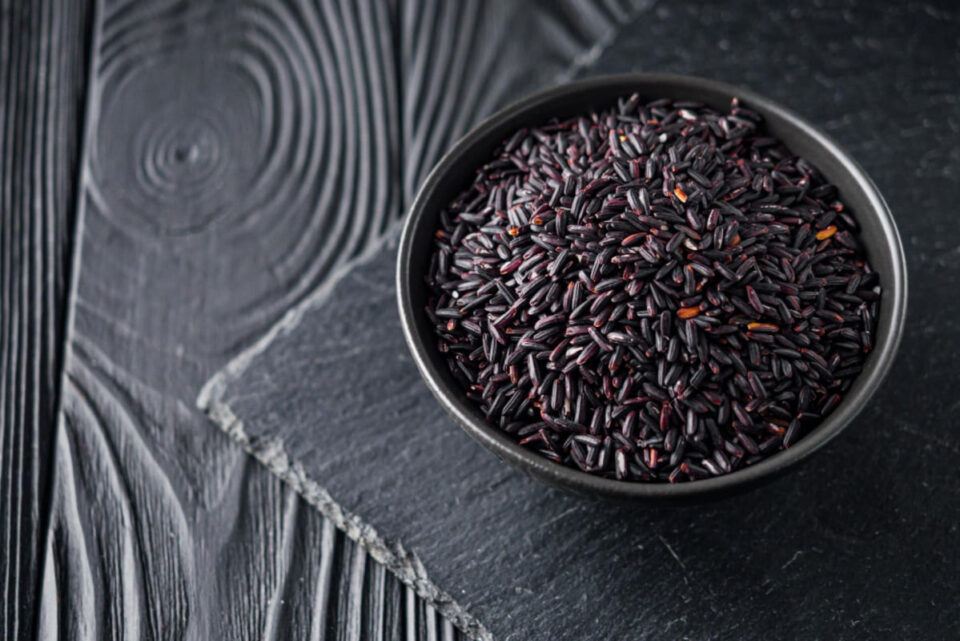
Last month, a software engineer sat across my table and placed a small packet on the desk as if it were contraband. “Doctor, everyone in my apartment has shifted to this,” he said. Inside was black rice. “They say white rice is poison. Is this better?”
Food trends now arrive faster than lab reports. One reel, one podcast, one gym trainer, and suddenly, a grain that quietly existed in the corners of India for centuries becomes a metropolitan hero. Black rice is not trending because it is black. It is trending because people are afraid of white.
Let us begin calmly. Black rice is not a laboratory invention. It is a traditional variety of Oryza sativa, grown in parts of India such as Manipur, where the aromatic Chakhao has been eaten for generations, and in Tamil Nadu, where Kavuni rice has appeared in festive dishes long before Instagram discovered antioxidants. The Chinese once called certain dark varieties “forbidden rice,” partly because they were rare and reserved for royalty. Marketing departments love that phrase. It gives a carbohydrate a crown.
The colour is not cosmetic. When you cook black rice, the water turns deep purple. Patients often ask if that means nutrients are leaking away. What they are seeing are anthocyanins, the same class of pigments found in jamun and blueberries. These compounds act as antioxidants. That word, antioxidant, has suffered from overuse. It does not mean immortality. It means the grain contains molecules that can neutralise certain unstable compounds in the body. It is helpful, yes. It is not magical.
The real question hiding behind all curiosity is this: Does it behave differently in the bloodstream?
White rice is polished. The bran is removed. What remains is largely starch. It digests quickly. Blood glucose rises quickly. Brown rice retains the bran and fibre, slowing digestion. Black rice also retains its outer layers and contains additional polyphenols, including anthocyanins. In practical terms, that means it generally produces a slower rise in blood sugar compared to polished white rice. But the keyword here is slower, not harmless.
In my clinic, I have seen two types of black rice converts. The first type replaces white rice, reduces portion sizes, increases vegetable intake, encourages walking after dinner, and improves sleep. Their sugar improves. They credit the grain. The second type heaps black rice onto the plate with the enthusiasm of moral righteousness, believing colour grants immunity from portion control. Their sugar does not improve. They blame stress.
Glycemic index charts circulate widely on WhatsApp. People quote numbers with confidence. But the glycemic index measures a fixed quantity of carbohydrate under controlled conditions. In real kitchens, meals are mixed with dal, ghee, curd, pickles, and fried papad. The glycemic load, the total carbohydrate consumed, matters more than the colour. If someone eats three large bowls of black rice, their pancreas will not applaud the anthocyanins before releasing insulin.
Does it help in weight loss? Indirectly, perhaps. Black rice contains fibre. Fibre increases satiety. When cooked well, it has a pleasant chew that slows eating. People who eat slowly often eat less. But I have also seen people compensate by rewarding themselves later with dessert because they “ate healthy.” Psychology overrides biochemistry more often than we admit.
There is genuine scientific interest in how the polyphenols in darker grains interact with gut bacteria. The microbiome, that invisible society inside the intestine, responds to fibre and plant compounds. Some studies suggest that pigmented rice varieties may promote beneficial bacterial activity. This is promising. It does not mean your gut transforms overnight. Traditional Indian kitchens, long before microbiome research became fashionable, soaked grains. Soaking reduces certain anti-nutrients and improves digestibility. If black rice feels heavy on the stomach, soaking it well and cooking it thoroughly makes a difference.
Patients often ask if black rice is anti-inflammatory, heart-friendly, and iron-rich. It contains minerals. It contains antioxidants. That is true. But so do many traditional grains and legumes. You would have to eat unrealistic quantities of a single food to dramatically alter inflammation markers. Health emerges from patterns, not from hero ingredients.
From an Ayurvedic perspective, darker, unpolished grains tend to be heavier and more grounding. They nourish but demand digestive strength. Someone with a strong appetite and an active metabolism may handle them easily. Someone with weak digestion, bloating, or chronic gut sensitivity may find them uncomfortable if eaten in excess. Food suitability is personal. A grain is not virtuous or sinful. It is appropriate or inappropriate depending on the individual.
Why is black rice expensive? Because it is grown in smaller quantities, often by farmers cultivating traditional varieties. Yield per acre may be lower than that of hybrid polished rice. Supply chains are narrower. Add urban demand and the word “superfood,” and price rises. There is a phenomenon I call the health premium. When urban guilt meets agricultural rarity, wallets open quickly.
Should everyone switch? No. Should some people consider including it? Yes. A sedentary adult with borderline diabetes who currently eats large portions of polished white rice may benefit from shifting part of that intake to unpolished varieties like black or red rice, while simultaneously reducing quantity and increasing vegetable and protein intake. The grain alone will not save them. The pattern might.
Who should be cautious? Individuals with very weak digestion, those with certain kidney conditions requiring potassium monitoring, elderly patients who struggle with heavy foods, and small children who require easily digestible meals. For them, texture and tolerance matter more than antioxidant prestige.
Cooking matters. Black rice demands patience. It benefits from soaking for several hours. It requires adequate water and sufficient cooking time. Undercooked black rice feels like virtue but digests like stubbornness. When properly cooked, it becomes soft yet retains character. Some families mix it with other rice varieties to balance the flavour. Tradition often knew moderation before nutritionists invented the word.
I sometimes smile at how food trends follow fear cycles. First, fat was the villain. Then carbohydrates. Then gluten. Now white rice. The human mind seeks a single culprit. It feels comforting to blame one grain. But the body does not think in hashtags. It responds to total intake, sleep, stress, movement, and yes, the quality of food.
A middle-aged banker once returned after three months on black rice. “Doctor, I feel lighter,” he said. I reviewed his history. He had reduced his portion by half, stopped late-night snacking, begun walking after dinner, and cut back on sugary tea from 4 cups to 1. “The rice helped,” he insisted. I nodded. Sometimes belief helps compliance. But the grain was only one actor in a larger script.
Black rice is a good grain. It contains fibre, micronutrients, and plant compounds that polished rice lacks. It may support better glycemic response when eaten mindfully. It offers culinary diversity. It connects us to traditional varieties that deserve preservation. But it is not a miracle. It does not cancel out overeating. It does not replace movement. It does not negotiate with excess.
When friends talk about black rice, what they are really talking about is control. In a world of rising blood sugars and expanding waistlines, choosing a darker grain feels like reclaiming agency. There is dignity in that. But dignity should be matched with understanding.
If you enjoy its taste, digest it comfortably, and pair it with a balanced meal of vegetables, protein, and sensible portions, black rice can sit honourably on your plate. If you dislike it but force it down because the internet frightened you, stress may undo whatever antioxidant advantage you sought.
Colour is marketing. Tolerance is biology. Choose the second.
I have written a book.
If this blog spoke to you, the book will stay with you longer.
