
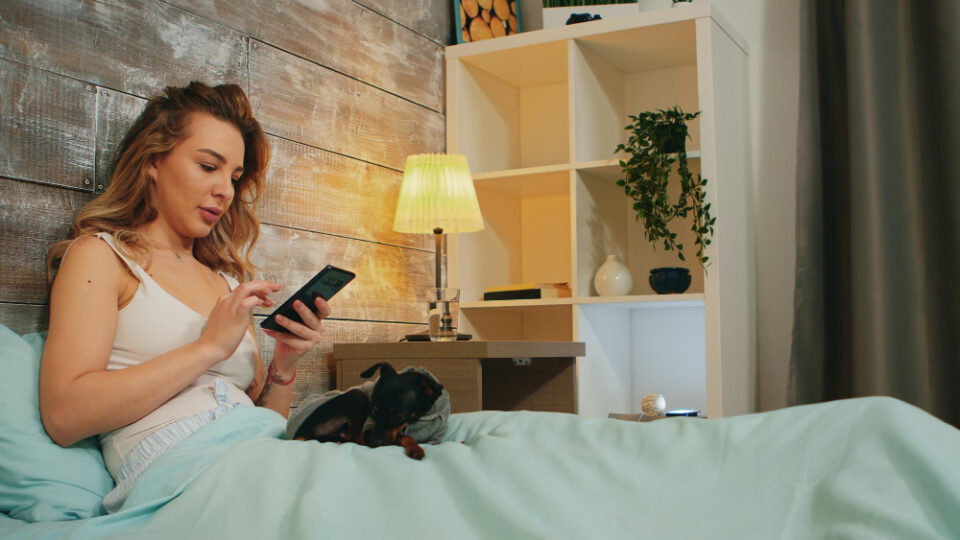
It’s 2 AM in Bengaluru. The city’s dogs are conducting their nightly orchestra, the fan hums, and you’re lying wide-eyed in bed. You glance at your smartwatch. It tells you you’ve had only 17 minutes of deep sleep. Suddenly, you’re not just sleepless, you’re failing an exam you didn’t know you signed up for. Should you count sheep, drink warm milk, or argue with your app? Welcome to the age where even dreams come with a performance review.
In my OPD, I meet more people who sleep badly because they worry about sleeping poorly than those who genuinely have insomnia. A young software engineer once came clutching his phone like a medical report. “Doctor, my REM sleep was only 12%. Is this dangerous?” I asked him how he felt in the morning. He said, “Fresh, but now I’m scared.” His problem wasn’t insomnia; it was orthosomnia—an obsession with perfect sleep that ironically robs you of it. Chasing sleep is like chasing an auto at 11 PM in Indiranagar—if you run after it, it will vanish.
Another patient, a marketing executive, treated his sleep like a corporate project. He tracked latency, efficiency, and cycles as if they were KPIs. He even set alarms to remind himself to take a break and relax. He ended up more exhausted than his boss. Sleep, unfortunately, does not respond to spreadsheets. The bed is not a boardroom, and dreams don’t attend meetings.
Research explains this paradox well. The more anxious you are about sleep, the more active your brain’s arousal system becomes. It’s like telling your mind, “Don’t think of a pink elephant,” and then spending the night staring at a herd of them. Research indicates that excessive fixation on sleep data increases stress hormones and compromises actual sleep quality. Ayurveda described this long ago as chinta-nidranasha—worry-induced sleeplessness. Anxiety is the only pillow that makes every bed uncomfortable.
The funniest stories come from patients who trust their gadgets more than their bodies. One college student panicked because her app showed “zero REM sleep.” Later, we discovered she had worn her watch upside down. Another man insisted his wife’s snoring ruined his sleep efficiency score. She retorted, “At least I was asleep while you were staring at numbers!” Marriages, I realised, now require counselling not just for in-laws and finances, but for Fitbit diplomacy.
There’s also the Indian cultural flavour to all this. One gentleman in his 50s complained that his tracker showed only 60% sleep efficiency. He compared it to India’s batting collapse against Australia. “Doctor, I think my sleep needs a new coach.” Another lady said, at breakfast, her mother-in-law casually asked, ‘So, how many hours of deep sleep did you serve along with the upma? We laugh, but it’s not far from reality—our gadgets have entered the kitchen and the bedroom, and now they judge our dreams.
But sleep doesn’t need surveillance; it requires surrender. Ayurveda has long regarded sleep as one of the three pillars of health, alongside proper diet and moderation. Long before wearable technology, we had simple rituals—oil foot massages, warm spiced milk, and gentle chanting. A patient of mine replaced his late-night scrolling with rubbing sesame oil on his feet. Within weeks, his sleep deepened. He said, “Doctor, for the first time in months, I fell asleep before my app could notice.” That, I told him, is actual progress—when your body beats your gadget.
Sometimes the cure is simpler than we think. One businessman, who had been obsessed with his “sleep latency,” finally slept like a baby on a train from Chennai to Bangalore. No Wi-Fi, no app, just the rhythmic lull of the tracks. He laughed, “Doctor, I paid 80,000 for a memory foam mattress, but a 200-rupee train berth gave me better dreams.” The body is less complicated than the mind; give it rhythm, and it will rest.
Of course, not all technology is the villain. Some patients genuinely discover sleep apnea or restless leg syndrome thanks to data. But when numbers start dictating your emotions, it’s time to step back. I often tell patients, “If you wake refreshed, your body knows more than your app.” Your ancestors didn’t need a gadget to confirm their dreams. The only tracker my grandmother used was the rooster.
I have noticed that people who treat sleep like a luxury tend to sleep better than those who treat it like an exam. The ones who laugh, eat on time, and let go of grudges fall asleep faster than those who meditate with one eye open to check their score. Sleep is not a competition. It is the body’s way of saying, “Enough, let me clean the mess you made today.”
The practical advice I share is simple. Keep gadgets away for an hour before bed. Avoid heavy, spicy dinners. Try a warm bath or a foot soak with herbs like neem and turmeric. Listen to music softer than your thoughts. And, most importantly, don’t measure your dreams. Ayurveda always emphasised rhythm—going to bed and waking up at the same time—over chasing perfection. Sleep comes to those who invite it with humility, not those who interrogate it with graphs.
Tonight, don’t chase sleep like a number—welcome it like a friend. After all, rest begins not when the app says so, but when you finally let go.
