
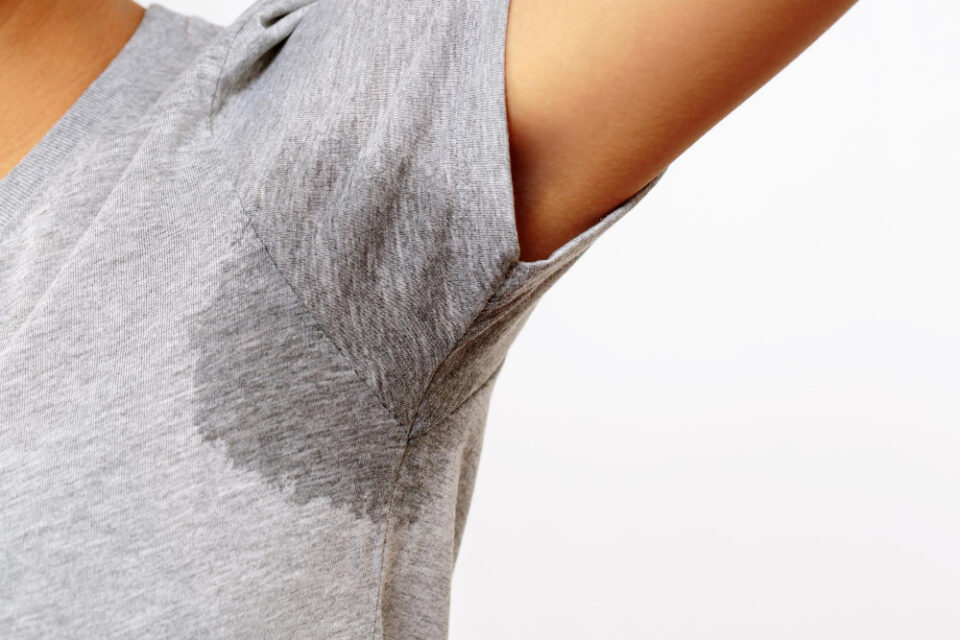
Why am I sweating more than I used to?
It’s a question that lands on my clinic chair with more frequency than I expected. It’s not just in summer. A 42-year-old businessman asked me this last week while dabbing his forehead with the edge of his shirt. “Doctor, I sweat through my meetings. It’s not even hot! Is this how middle age announces itself now?” He gave a half-laugh, half-sigh—the trademark expression of someone caught between denial and concern.
When you’re in your twenties, sweat feels like a badge of effort—proof that you worked out, ran for a bus, or danced your heart out. But as the years sneak up, sweat changes character. It becomes sneaky. It drips down your back while you’re just sipping tea, stains your underarms during office presentations, or shows up uninvited during temple visits. You may not have climbed a hill, but your body acts as if it has just returned from a trek in Coorg.
I once had a bride-to-be in her thirties come to me with excessive sweating on her palms. “How do I hold his hand during the varmala, doctor?” she asked, wide-eyed. “He’ll think I’m scared of commitment.” Turns out, she wasn’t scared of marriage—just nervous about her boss attending the wedding. Her stress had chosen sweat as its spokesperson.
Sweating is not just about the weather. It’s about what’s brewing inside. As an Ayurvedic physician, I’ve come to see sweat not just as a coolant, but as a messenger. In Ayurveda, it’s a mala—an excretory byproduct of meda dhatu (fat tissue), and it’s governed by Pitta dosha. So when Pitta flares—due to heat, emotions, spicy food, or hormonal imbalances—your body chooses the sweat gland route to restore balance. But the modern life we lead? It’s like one big Pitta party.
I’ve also learned that sweat is more than just moisture—it’s a sort of chemical postcard from inside your body. Every drop carries sodium, potassium and magnesium, along with traces of urea and cortisol. If you’re sweating buckets but only sipping water, you can dilute your electrolytes, which can cause dizziness or cramps. That’s why, in my practice, I sometimes prescribe chilled coconut water or homemade electrolyte drinks with a pinch of rock salt, a squeeze of lime, and jaggery. Patients tell me it not only tames the sweat but brings back their energy—no fancy sports drink needed.
Hormonal changes are the usual suspects, and they don’t wait for menopause to start their mischief. I’ve had men in their fifties complain about night sweats, only to realise it coincided with changes in blood sugar, blood pressure, or that new cholesterol pill. Even thyroid disorders—especially hyperthyroidism—can dial up the body’s thermostat. One patient said she felt like a human pressure cooker—hissing, steaming, and always on edge.
There was a schoolteacher in her sixties who came with a different tone. “Doctor, I used to enjoy evening walks. Now, I return drenched.” Her tests were normal. No diabetes, no cardiac issues. But she had started worrying about her retired husband, who, according to her, was binge-watching too much news and not enough vegetables. Emotional heat, I reminded her, often sweats its way out of the body.
Medications, too, can play sneaky roles. I had a young IT professional with anxiety who was sweating through his socks. His antidepressants were listed in the fine print as “may cause excessive perspiration.” His water bottle had become his constant companion, but so had embarrassment. “I can’t wear formal shoes without ruining them,” he said. We had to work with his psychiatrist to adjust doses while I supported his system with herbs like Brahmi, Sareeva, Ashwagandha, and cooling decoctions like coriander water and vetiver.
Then there’s hyperhidrosis—the fancy word for excessive sweating without an apparent reason. A 28-year-old chef came to me saying, “Doctor, I can’t chop coriander without slipping on my palms.” His hands were always damp and sweaty, even in a cool room—no stress, no diabetes, no thyroid problem. We ruled out everything. So we addressed it from the Ayurvedic lens—supporting meda dhatu, calming Pitta, and strengthening the channels. He now swears by foot massage with vetiver oil. At least now I can chop vegetables without the knife slipping into the curry.
Stress is perhaps the most democratic of triggers. It doesn’t care whether you’re young or old, salaried or retired. It shows up as damp palms before interviews, moist upper lips before weddings, or full-body sweating before exam results. I often tell patients, when the mind boils, the body steams. The sympathetic nervous system activates the sweat glands, especially in the palms, soles, and underarms, giving you away when you’re trying your best to look composed.
Even food can stoke the sweating engine. I remember a man who came in drenched after eating two plates of pani puri in Shivajinagar. “Doctor, it was worth it,” he smiled. But sweat triggered by spicy, oily, or deeply fried food is a real thing. In Ayurveda, ahara is the first step we take in making changes. Adding cooling foods like cucumber, tender coconut water, amla, or buttermilk often makes a visible difference.
As people age, their sweat patterns evolve. In youth, it’s usually activity-driven. In middle age, it’s often due to metabolic or hormonal changes. By the time you’re in your sixties or seventies, sweat frequently becomes more related to chronic conditions, medications, or even nervous system changes. And yes, ageing skin, with reduced elasticity and changing glandular function, doesn’t help either.
But not all sweat is bad. I had a yoga teacher in her fifties who said, “My body doesn’t sweat like before. I feel like I’m drying up from the inside.” She was right. An absence of sweat—called asvedanam in Ayurveda—can also signal deeper imbalances. Just like excess, deficiency too needs attention. In her case, regular abhyanga, warm water sips, and panchakarma brought back a healthy sheen.
The tricky part about sweat is this—it doesn’t always come with a neat explanation. But it does come with clues. What time of day does it appear? Does it follow meals, emotions, exertion, or medications? Is it local or all over? Each of these helps decode the cause. That’s the beauty of Ayurvedic practice—it teaches us to treat sweat not as a nuisance to blot away, but a symptom to listen to.
If you’ve suddenly found your armpits mimicking waterfalls or your palms auditioning for monsoon season, don’t panic. Reflect. What changed? A new job? New food? More screen time? Less sleep? Even something as simple as switching to a protein powder can change the inner chemistry. If needed, visit your doctor, not to eliminate sweat, but to understand what it’s telling you.
The body never complains without reason. Even when all it does… is sweat.
If you ever find yourself sweating without movement, crying without grief, or silent without peace, it’s your body nudging you and asking you to slow down and listen. And cool the fire within.
